India can save $5B thanks to GOBARdhan scheme
What's the story
The Indian Biogas Association (IBA) has projected that the GOBARdhan Scheme will help reduce India's gas import bill by $5 billion. The scheme, which has a budget of ₹23,731 crore, aims to convert organic waste into clean energy. It is also expected to reduce fertilizer imports and subsidy burdens for the country. The initiative will create several job opportunities in rural areas.
Investment impact
GOBARdhan scheme a strategic national investment
The IBA has called the GOBARdhan Scheme a strategic national investment.
It said that the scheme's benefits go beyond bioenergy, giving economic, environmental and social returns through import substitution and rural development.
India imports 50% of its natural gas needs, making it vulnerable to international price fluctuations and geopolitical tensions.
Import reduction
LNG import bill expected to rise in FY25-26
In FY 2024-25, India's LNG import bill was $15.2 billion (around ₹1.28 lakh crore).
The IBA expects this figure to rise in FY25-26 due to ongoing geopolitical tensions and currency fluctuations.
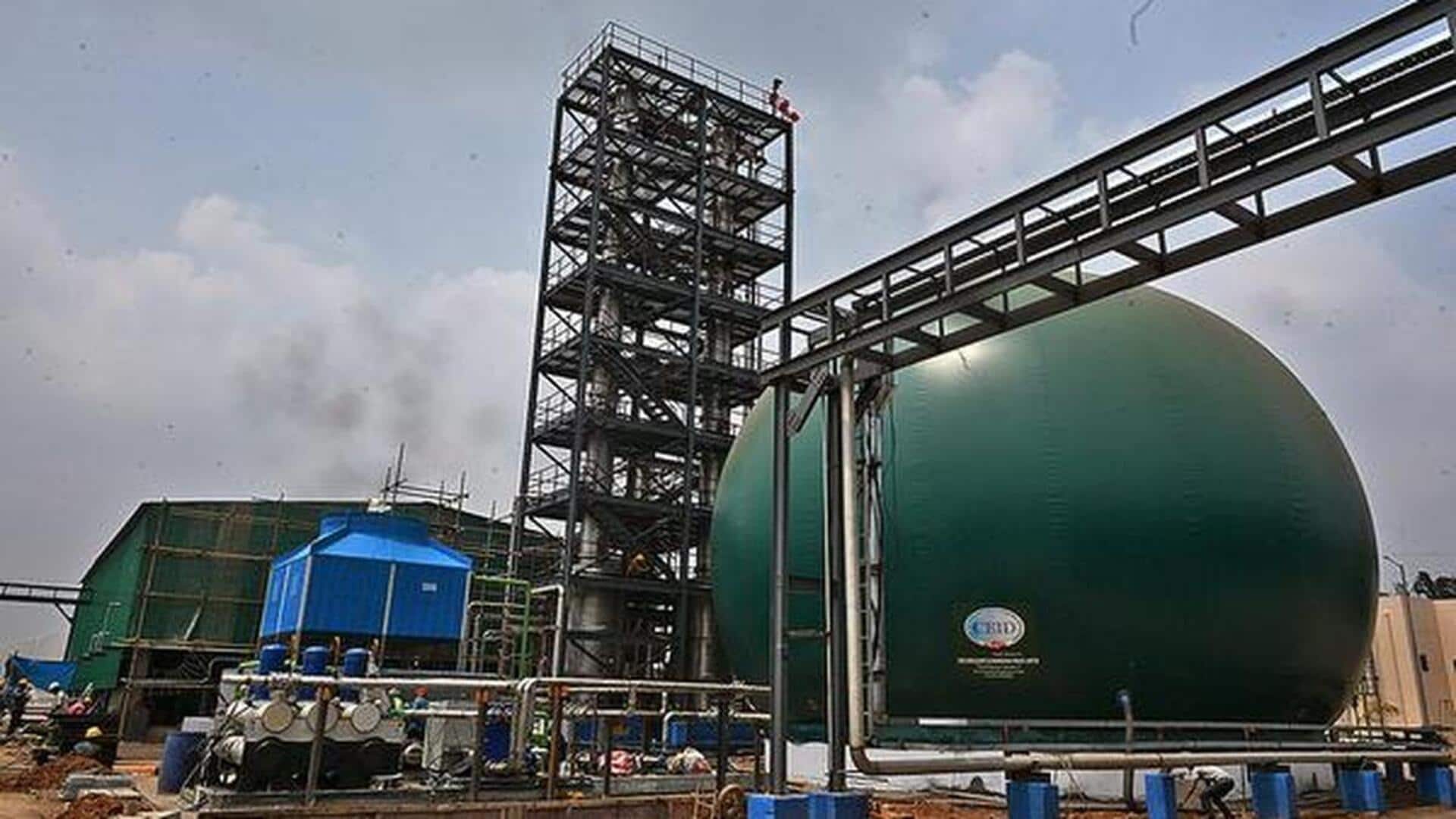
With an estimated 1,500 operational CBG plants in the future, the trade deficit from natural gas imports could be reduced by at least one-third or $5 billion (around ₹40 lakh crore).
Fertilizer savings
Reduction in fertilizer imports and subsidy burdens
The GOBARdhan Scheme is also expected to reduce fertilizer imports and subsidy burdens.
CBG plants generate Fermented Organic Manure (FOM) and liquid bio-slurry, which are rich in essential plant nutrients.
This reduces dependence on chemical fertilizers, especially imported phosphatic and potassic ones.
The scheme could save at least 5% of fertilizer imports, contributing to a $1 billion reduction in the current account deficit.
Job creation
Environmental and employment benefits
The GOBARdhan Scheme is also expected to create significant employment opportunities, especially in rural areas.
It could turn agricultural waste into income-generating assets for farmers and improve soil health.
The environmental benefits are huge as well, since CBG plants would discourage open burning of biomass, a major cause of air pollution in regions like NCR.