₹4,225cr+ in penalties: How CCI is transforming businesses in India
What's the story
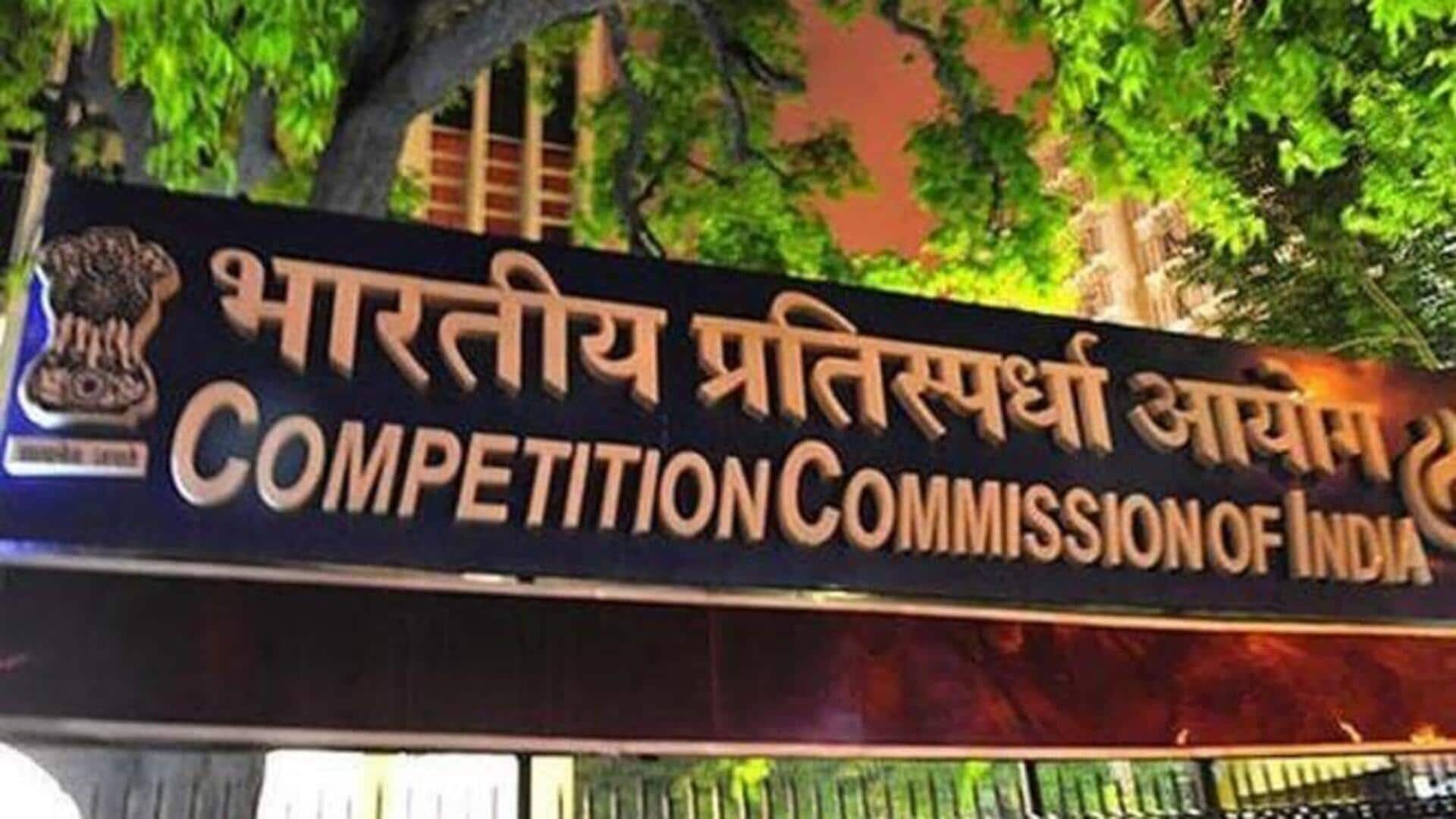
The Competition Commission of India (CCI) has been cracking down on anti-competitive behavior with a vengeance, racking up penalties worth over ₹4,225 crore in 54 cases over the last five fiscal years. This aggressive enforcement has pushed businesses to take competition law compliance seriously. No longer just a niche legal issue for compliance teams and external lawyers, it is now a boardroom concern.
Enforcement surge
Penalties show a significant jump
The CCI's enforcement actions have seen a massive increase over the years.
From just ₹1.34 crore in FY21, penalties imposed by the watchdog skyrocketed to over ₹1,335 crore in FY22 and then to a record ₹2,672 crore in FY23.
The spike was fueled by high-profile cases involving technology platforms and online businesses.
This trend underscores that competition law violations can now lead to severe financial and reputational repercussions for companies.
Regulatory focus
CCI's focus areas
The CCI is focusing on digital markets, platform conduct, aftermarket restrictions, and cartel investigations. Priti Suri, Founder and Managing Partner at PSA, as cited in an NDTV report, said, "The CCI is increasingly willing to impose headline penalties and behavioral remedies with wide commercial impact."
Market concentration
Global trends in competition regulation
As tech platforms gain influence over advertising, commerce, payments, and consumer data, regulators worldwide are worried about market concentration and potential abuse of dominance.
In India too, sectors like digital advertising, information technology (IT), financial services, healthcare and pharmaceuticals continue to attract significant regulatory scrutiny.
This reflects a global shift in competition regulation where data access, platform behavior and market power have become equally important issues.
Investigation impact
Broader implications of an investigation
The impact of a CCI investigation goes beyond just the monetary penalty.
Companies facing competition law scrutiny often incur huge legal costs, spend considerable management time on investigations, and risk reputational damage.
In some cases, business practices may have to be changed or even abandoned altogether.
This has led many companies to conduct internal reviews of distribution agreements, dealer arrangements, pricing practices, and data-sharing mechanisms for potential risks before regulators do.
Guideline introduction
The way forward
Despite the unpredictability, Nanda argues that the regulator's approach has become more structured with the introduction of CCI's Determination of Monetary Penalty Guidelines, 2024.
The guidelines were designed to bring greater transparency to enforcement decisions and help businesses better assess potential liabilities.
However, uncertainty still looms as many large penalties imposed by the regulator are challenged before appellate forums and courts.