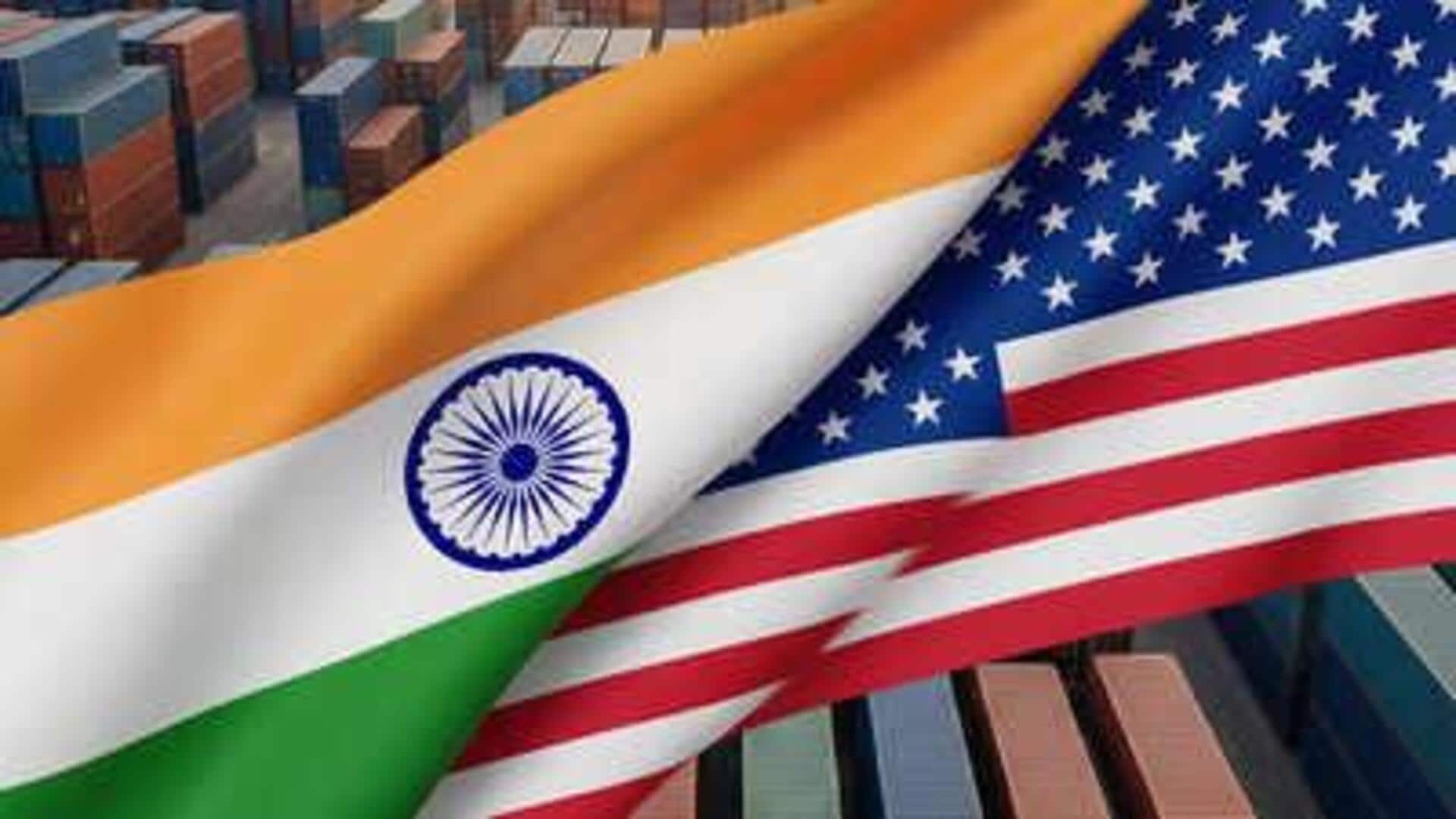
India rejects rushed US trade deal over unmet tariff demands
What's the story
India has turned down the prospect of a hasty trade deal with the US, according to Reuters. The decision comes as part of India's strategy to prioritize its long-term economic interests over immediate gains. The negotiations hit a roadblock as the US failed to meet some of India's key demands, such as tariff concessions against rival economies like China and safeguards against additional US tariffs post-deal.
Negotiation strategy
We won't rush into deal: Indian official
An official who spoke to Reuters said, "Our position is clear, we don't intend to rush into a deal that is not on favorable terms or compromise on red lines like ceding ground on agriculture."
The US has been pushing for quicker trade concessions from India as President Donald Trump plans new tariff measures later this month.
However, New Delhi has indicated its willingness to endure short-term uncertainty rather than accept an unfavorable agreement.
Economic stability
India's exports have been resilient amid global disruptions
Analysts have noted that India's strong economic position has given the government the leeway to take a more cautious approach in negotiations.
Despite global disruptions, including the West Asia conflict, India's exports have remained resilient.
Overall goods exports rose by around 15% year-on-year (YoY) during April-June, driven by increased petroleum shipments.
Exports to Gulf markets affected by shipping disruptions recovered to pre-conflict levels, hitting $5.3 billion in May from $2.62 billion in March.
Political influence
Domestic political factors influencing India's position
Domestic political factors are also influencing India's position on the trade deal.
The Modi government has been firm that any agreement should safeguard farmers and small businesses, two politically significant groups.
India has historically been cautious about opening its agriculture sector to foreign competition due to concerns over farmer livelihoods and food security.