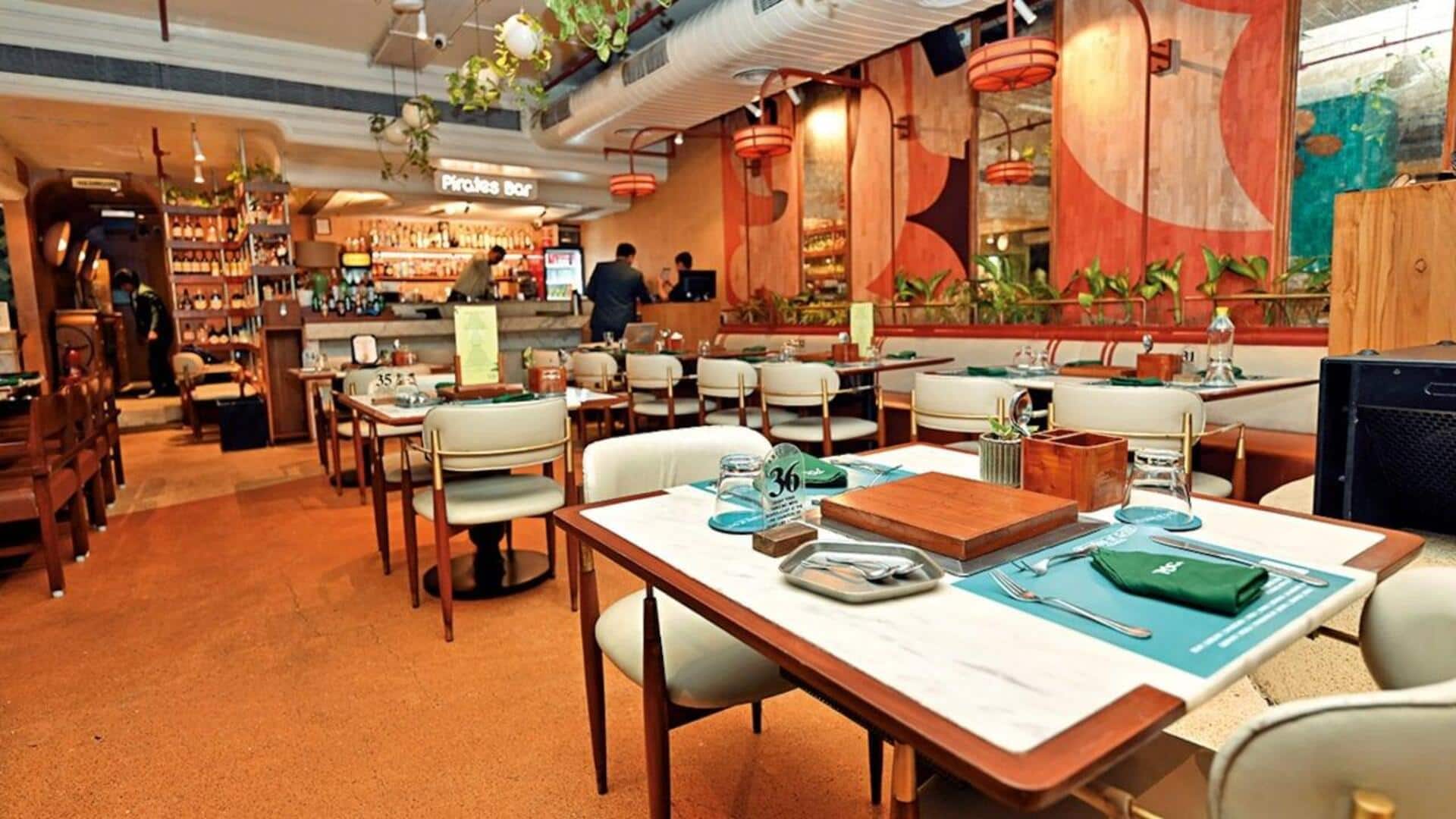
Eating out in Mumbai is about to become costlier
What's the story
The Indian Hotel and Restaurant Association (AHAR) has announced that restaurant menu prices in Mumbai are likely to increase by 10-15% during the festive season. The hike comes as a result of rising costs associated with food preparation and service. AHAR President Vijay K Shetty said that the new prices will be gradually implemented over the next few weeks across dine-in, quick-service, and delivery menus.
Cost challenges
Rising operational costs
Shetty highlighted that the problem for Mumbai's restaurants isn't just the price of one item.
"Cooking fuel, everyday ingredients, commercial rents, employee wages, and transportation have become more expensive," he said.
He added that these rising costs are putting pressure on the margins that keep daily operations running smoothly.
Price surge
Price surge in essential kitchen items
Recent data from the Consumer Affairs Department shows that essential kitchen items have seen a massive price surge.
Onions have become nearly 113% more expensive year-on-year, sugar by some 22%, and sunflower oil by 18%.
Local market reports also show retail prices of major pulses in the Mumbai Metropolitan Region have gone up by ₹20-30 per kg in recent weeks.
Operational impact
Significant increase in kitchen fuel costs
The AHAR statement noted that these price hikes affect preparation costs for a wide range of dishes.
Beyond ingredient prices, commercial LPG cylinder prices have doubled, significantly increasing kitchen fuel costs.
Higher milk and dairy prices have also contributed to the rising cost of core menu items.
Wages and workforce expenses have also increased as restaurants support staff facing higher living costs amid rising commercial rents.
Quality assurance
Proposed price adjustment
The AHAR said the proposed price adjustment is a response to the cumulative burden of higher procurement and operating expenses.
"Even where individual ingredient prices stabilize or ease temporarily, restaurants continue to carry higher recurring costs," it added.
The association stressed that this revision is aimed at recovering some of the additional expenditure while maintaining food quality and service standards amid rising operational costs.