Why RBI has intervened to stabilize Indian rupee
What's the story
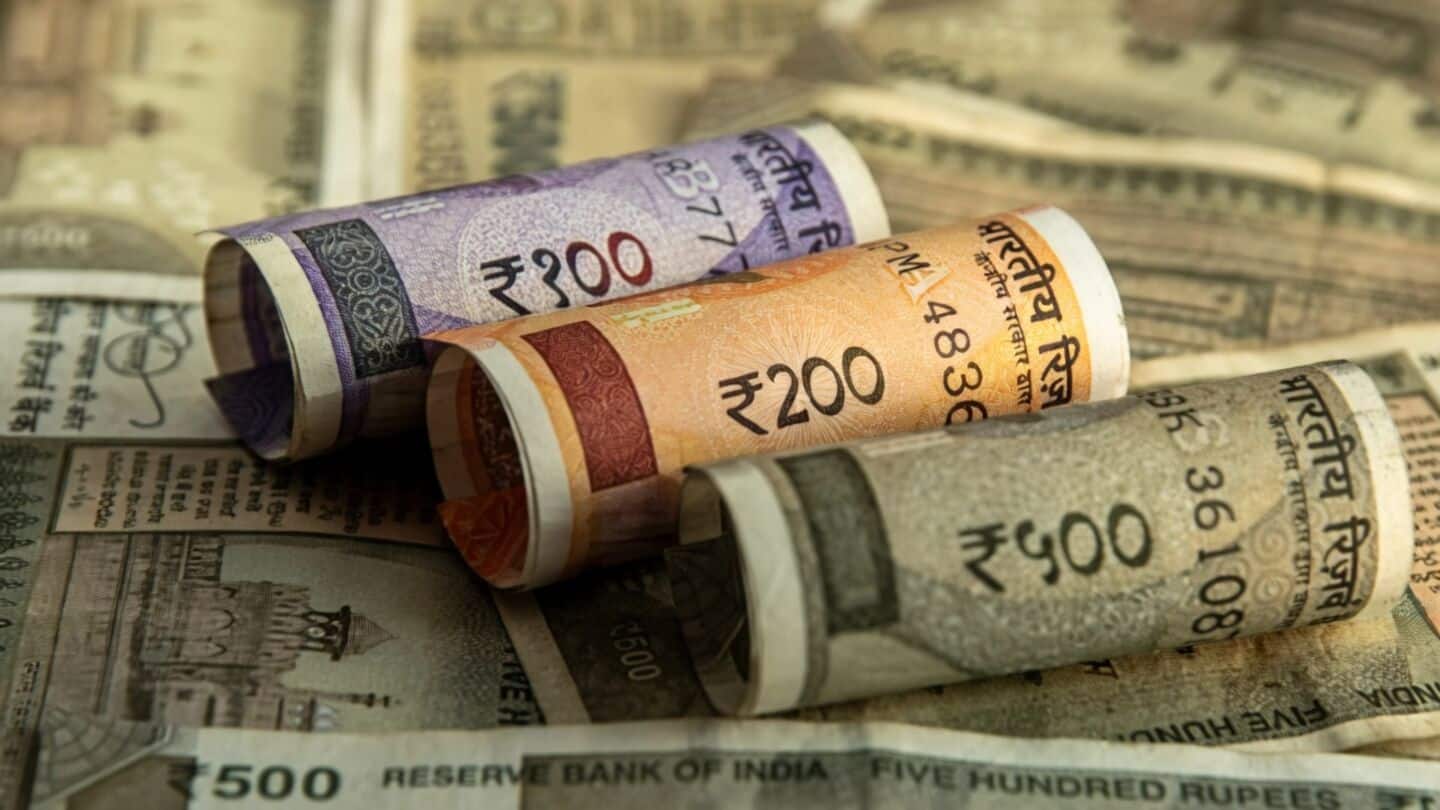
The Reserve Bank of India (RBI) has stepped in to stabilize the Indian rupee, which is nearing a record low. The intervention comes after a recent spike in crude oil prices impacted market sentiment. According to traders who spoke on condition of anonymity to Bloomberg, the RBI sold dollars in both offshore and onshore markets to support the currency.
Market response
Rupee nears record low
The Indian rupee depreciated by as much as 0.2% to 96.4575 per dollar, closing in on its record low of 96.9650 hit in late May.
The benchmark 10-year yields also rose by four basis points to 6.82%.
This market reaction highlights the impact of external factors such as crude oil prices on India's currency and bond markets.
Price surge
Crude oil prices spike due to US-Iran tensions
Crude oil prices have surged over 20% in the last two weeks, with Brent crossing $90 a barrel today.
The rise is attributed to escalating US-Iran tensions, which are straining the fragile peace deal in West Asia.
Since crude oil accounts for more than two-thirds of India's import bill, higher prices are putting pressure on the country's foreign exchange reserves.
Policy response
Measures announced to attract foreign currency
On June 5, policymakers announced measures to attract more foreign currency by relaxing investment norms in domestic bonds and promoting dollar deposits from non-resident Indians.
These steps initially strengthened the rupee to as much as 94.1413 in late June.
However, higher oil prices have since revived demand for dollars, reversing these gains.
Expert opinion
Barclays Bank strategists' note on rupee
Barclays Bank strategists, including Mitul Kotecha, said in a note that "USD/INR continues to face upward pressure amid higher oil prices and increased importer USD buying."
They also noted that "the RBI's recent measures to encourage FCNR inflows appear to be falling short of expectations," but they expect some acceleration in the next couple of months.