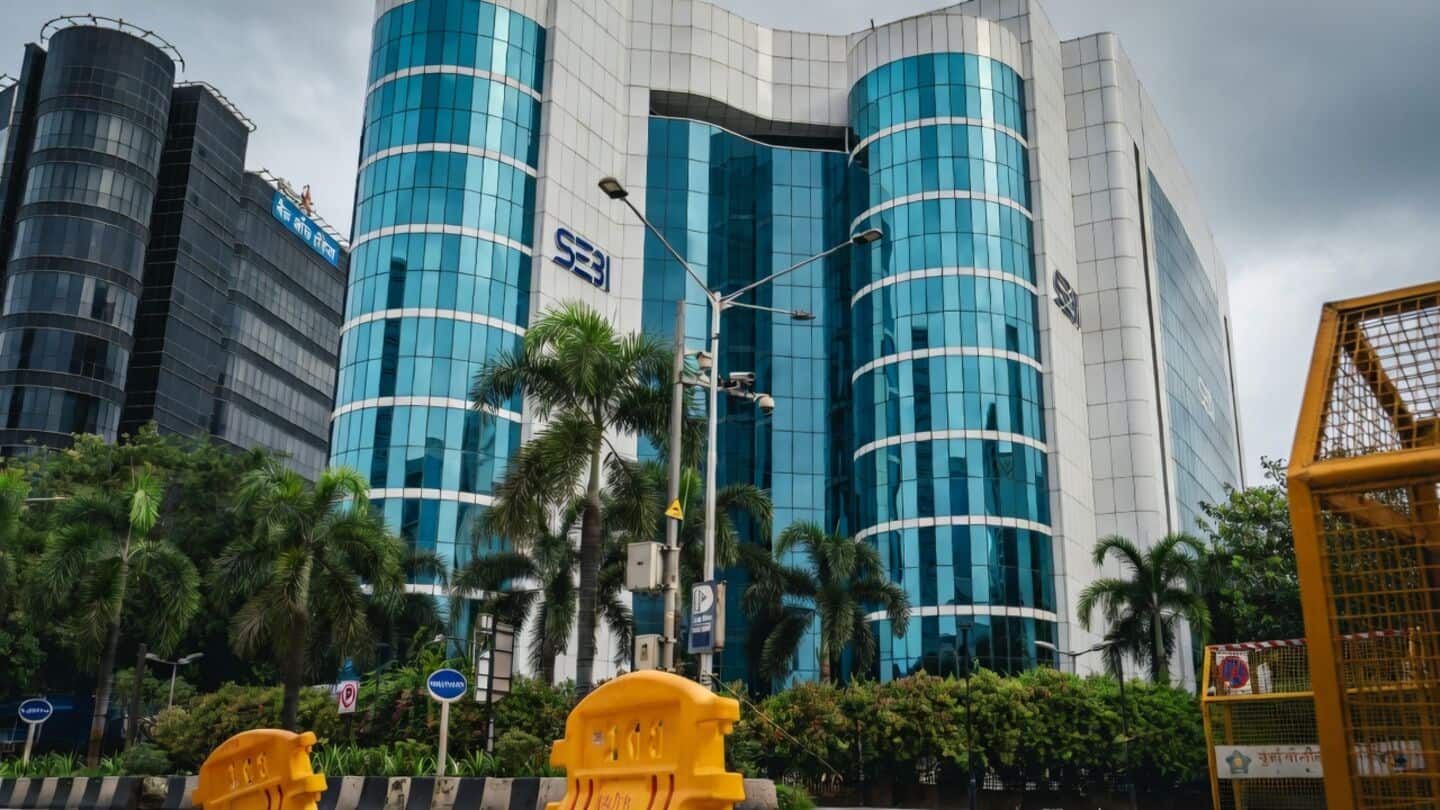
SEBI proposes direct market access for retail investors
What's the story
The Securities and Exchange Board of India (SEBI) has proposed a major change in its technology regulations for stock exchanges and other market infrastructure institutions (MIIs). The regulator wants to extend Direct Market Access (DMA) beyond institutional investors to all categories of market participants, including retail. The move is part of SEBI's 'ease of doing business' initiative aimed at simplifying and consolidating regulatory requirements.
DMA explained
What is direct market access?
DMA is a facility that enables investors to place buy and sell orders directly into a stock exchange's trading system through a broker's infrastructure, without any manual intervention by the broker's dealer.
The proposed change would remove the current restriction of DMA being available only to institutional clients.
This would allow all investors to access exchange trading systems directly through brokers, subject to prescribed risk management and operational safeguards.
Proposal details
Expanded access to commodity derivatives
Along with the retail access, SEBI has also proposed expanding DMA in the commodity derivatives segment by removing the reference to foreign portfolio investors (FPIs). This would allow all eligible investors to use this facility.
The regulator has also suggested removing the requirement for investment managers placing DMA orders on behalf of clients to be registered with SEBI. However, it has retained that clients remain contractually responsible for their appointed managers' actions.
Regulatory review
Consolidation of technology regulations
The DMA proposal is part of a larger review of technology-related regulations for stock exchanges, clearing corporations, and depositories.
SEBI has proposed merging the tech provisions for securities and commodity derivatives exchanges into a single framework.
It also plans to issue a separate circular covering common IT requirements such as cybersecurity, disaster recovery, system audits, and capacity planning.
Regulatory updates
WAP trading rules to go
As part of the rationalization exercise, SEBI has proposed removing several provisions it considers outdated or already covered under other regulatory frameworks.
This includes rules governing trading through Wireless Application Protocol (WAP), an early-generation mobile internet technology that has been rendered obsolete by advances in smartphone-based communication.
The consultation paper notes WAP is no longer used for web access, making dedicated regulatory provisions unnecessary.
Regulatory changes
Updated cybersecurity requirements
The draft also updates cybersecurity requirements by replacing specific encryption standards with a broader requirement for exchanges to adopt strong and up-to-date cryptographic protocols.
It proposes mandatory two-factor authentication for system access, enhanced firewall practices like port whitelisting and network segmentation, and the removal of cybersecurity provisions that have been superseded by SEBI's Cybersecurity and Cyber Resilience Framework.