Vedanta plans $20B capex as demerged firms prepare for listing
What's the story
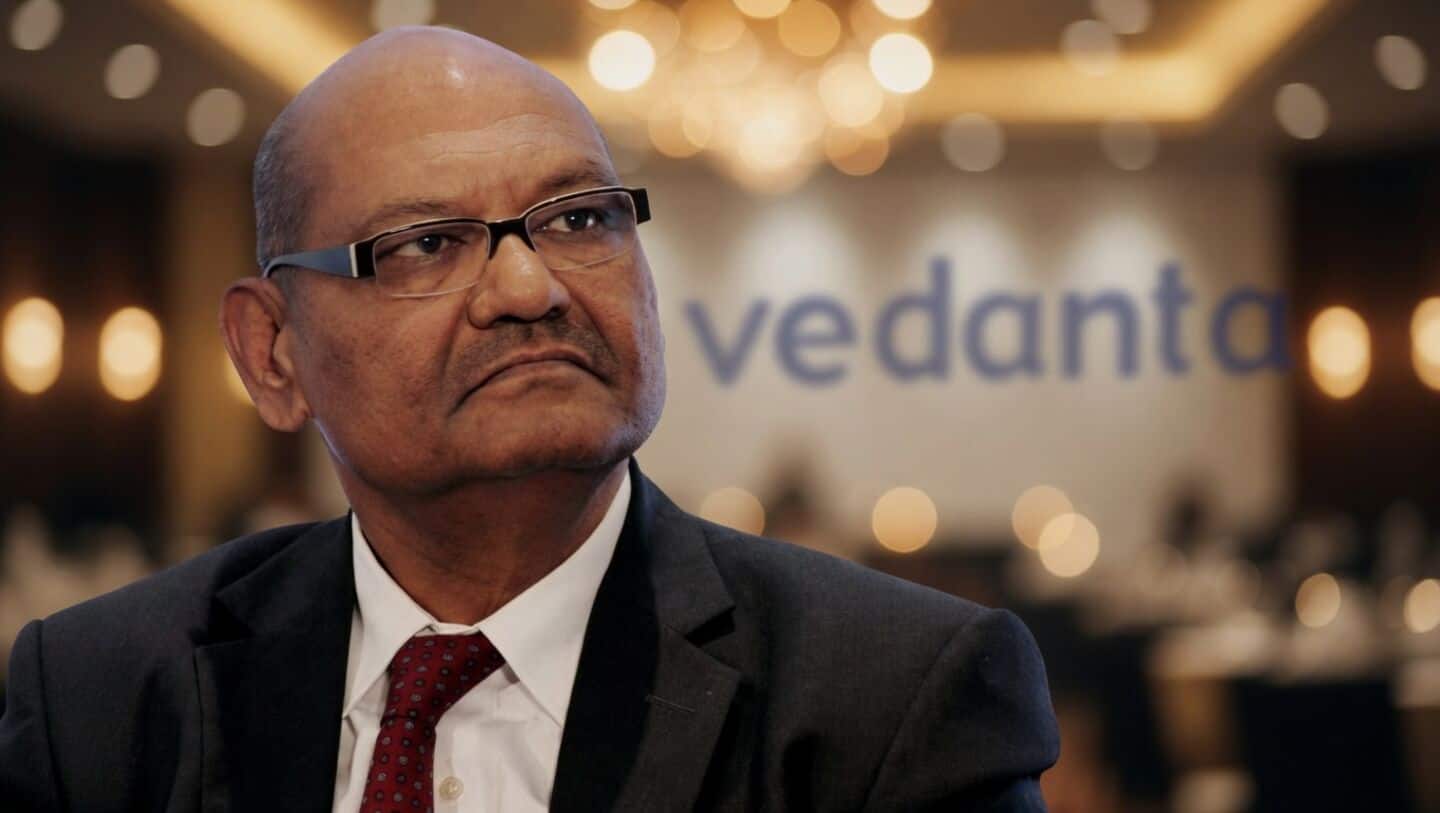
Anil Agarwal, the chairman of Vedanta Group, has announced that all four demerged entities of the company will be listed independently within a month. The move is part of the group's strategy to invest $20 billion in capital expenditure (capex) and achieve an EBITDA of around $10 billion across its aluminum, oil and gas, power, and steel businesses.
Business breakdown
World's largest private-sector aluminum company
The demerger will result in four independent entities. The first one, Vedanta Aluminium, currently produces three million tons annually and aims to double that in three years.
Agarwal said it would become the world's largest private-sector aluminum company.
The group also plans to set up 1,000 downstream industries with the aluminum business through an industrial park model.
Investment plans
Oil and gas business
The second entity is the oil and gas business, which Agarwal calls his "heart and soul."
The group plans to invest $5 billion over three to five years to ramp up production to 500,000 barrels per day.
The hydrocarbon assets include tight oil, shale gas, shallow water, deep water, and a block in northeast India where the country's first oil was produced.
Expansion goals
Power and steel companies
The third entity is a power company that currently generates 4,000 megawatts and plans to expand to 20,000 megawatts through brownfield expansion.
Agarwal said the company has full coal linkages and described coal as an enduring energy source.
The fourth entity is an iron and steel company that currently produces four million tons and aims for 15 million tons of green, electrical or special steel.
Business retention
Residual Vedanta will keep zinc and critical metals businesses
The residual Vedanta Limited will keep the zinc and critical metals businesses, including a 65% stake in Hindustan Zinc and the Gamsberg zinc operation in South Africa.
Agarwal has called for longer mining lease tenures, saying the current 50-year cap discourages large capital investment.
He also called for a single unified policy for all below-ground resources, replacing the current separate frameworks for oil and minerals.