Hollywood director gets 30-month prison sentence for $11M Netflix fraud
What's the story
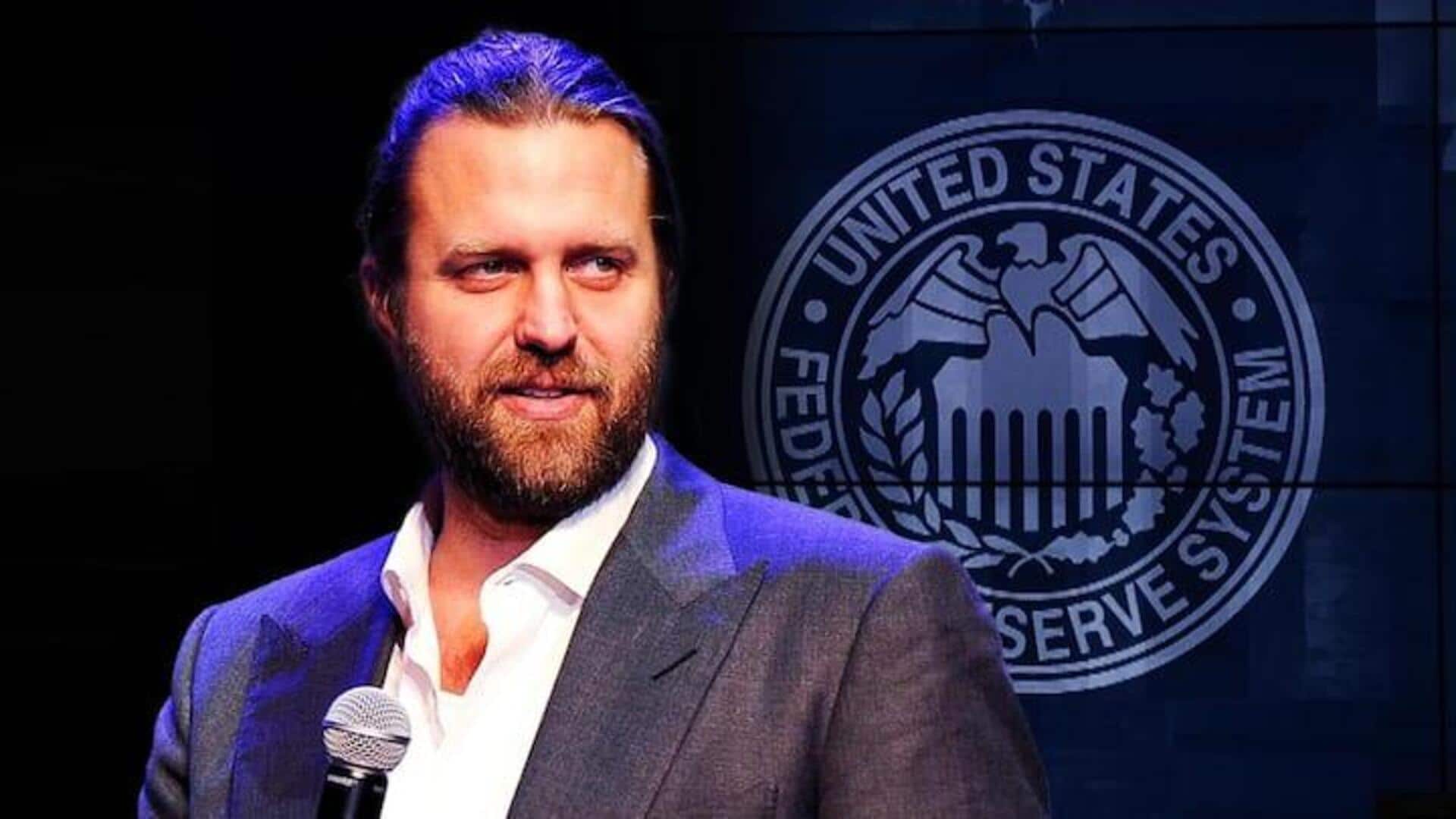
Carl Rinsch, the director of the Hollywood film 47 Ronin, has been sentenced to 30 months in federal prison for defrauding Netflix of nearly $11 million. The sentence was handed down by Judge Jed Rakoff on Monday after considering evidence of Rinsch's mental health struggles, which were presented by his defense attorney. Actor Keanu Reeves and other character witnesses submitted letters requesting leniency that were considered during the sentencing phase.
Case background
Rinsch was found guilty of wire fraud, money laundering
In December, a jury found Rinsch guilty of wire fraud and money laundering charges.
The prosecution proved that he cheated Netflix out of nearly $11 million during the production of the unfinished sci-fi series White Horse (aka Conquest).
Instead of completing the project, Rinsch reportedly gambled most of the money in cryptocurrency and spent millions on luxury items.
Defense argument
Details on Rinsch's mental health struggles during the trial
The defense team presented evidence of Rinsch's mental health struggles, which they had previously withheld during the trial.
Defense attorney Daniel McGuinness said that Rinsch was under a doctor's care during production, but the doctor "was not doing what he was supposed to be doing."
After completing treatment in recent months, Rinsch now "reports feeling better and is seeing things more clearly," McGuinness added.
Character reference
Reeves submitted letter to court; other details shared
Reeves, who starred in Rinsch's 47 Ronin, wrote a letter to the court.
He revealed that he had also participated in an intervention effort for Rinsch in 2019, which the director had rejected.
Judge Rakoff noted some of Rinsch's unusual decisions (like buying five Rolls-Royces not under his name) as evidence of "someone who has a manic state of mind beyond simple greed."
Legal proceedings
Restitution, mental health treatment part of sentence
In addition to the prison sentence, Rinsch has been ordered to pay around $11 million in restitution, undergo outpatient mental health treatment, and refrain from using "narcotics and other such drugs."
Netflix's representative Michael Schafler called the case "unusual" and said that the streamer would leave it up to the court to decide on a repayment schedule for the stolen funds.
Final decision
Judge Rakoff questioned effectiveness of prison sentences in white-collar cases
Judge Rakoff ordered Rinsch to surrender to prison by September 1, giving him 60 days before reporting.
He also commented on the effectiveness of a prison sentence in white-collar cases, questioning whether a longer sentence would achieve significantly more than a shorter one.
"The sentence should be sufficient but no more than necessary," Rakoff noted.