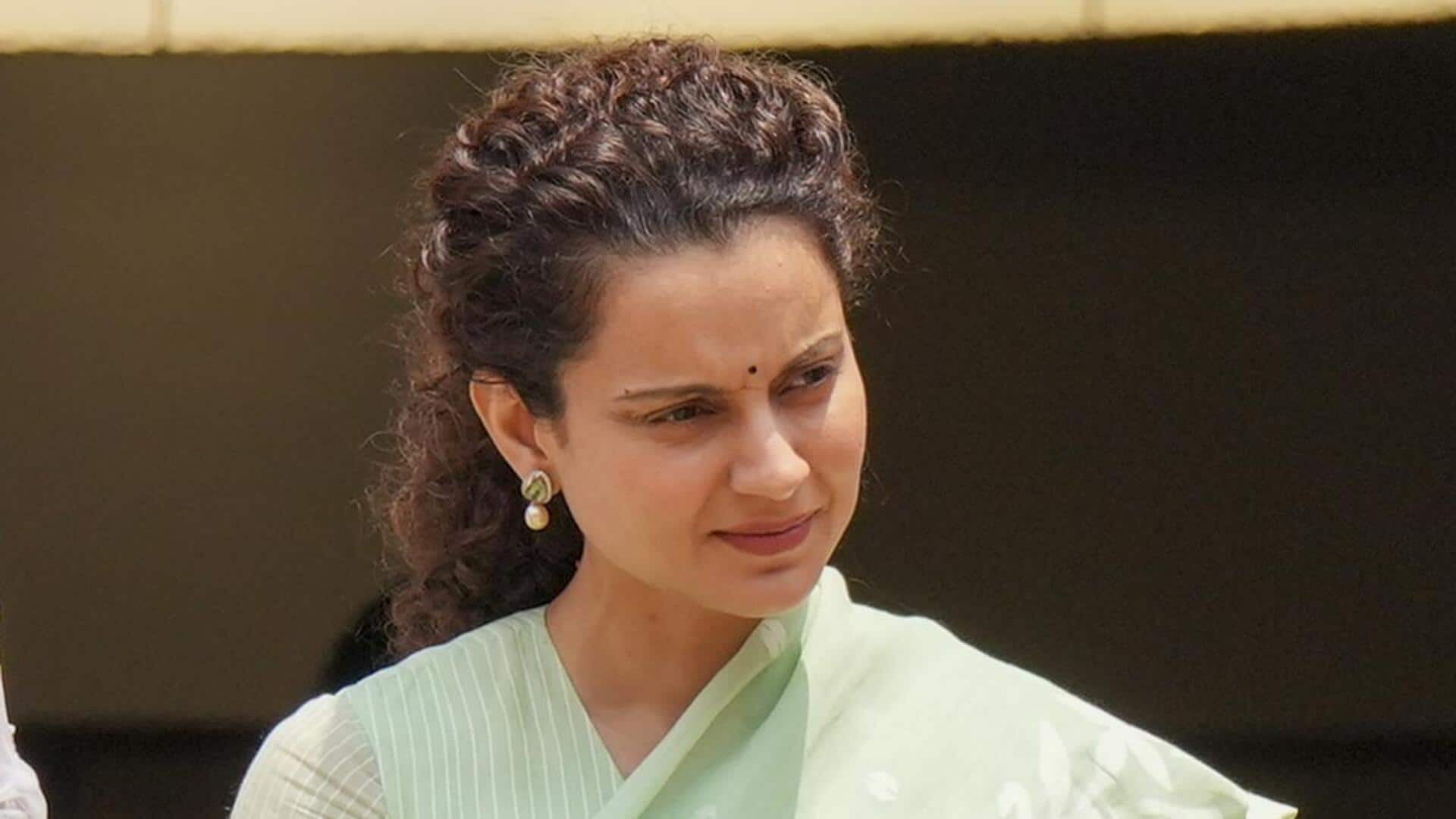
Kangana says excessive protein makes you 'dumb'; expert explains truth
What's the story
Actor and Member of Parliament (MP) Kangana Ranaut recently sparked a debate by claiming that excessive protein intake can make one "dumb." The controversy started after she shared a chart comparing global cancer rates in people under 50, with India having comparatively fewer cases. In her Instagram Story, she emphasized, "Dear Indians, we have the best diet...minimize your intake of ultra-processed foods like protein shakes...too much protein makes you dumb, eat clean, eat light, and remember movement is medicine."
Expert opinion
No research proves this, says expert
To clarify the matter, Moneycontrol consulted Dr. Divya Jain, a Senior Dietitian at CK Birla Hospitals in Jaipur.
She dismissed Ranaut's claim, stating, "The idea that eating an excess of protein will make you 'dumb' is false, and there is no research to prove this."
Protein's importance
Protein vital for brain function
Dr. Jain further explained the role of protein in brain function, saying, "Protein is arguably one of the most vital nutrients for good health."
"Protein consists of amino acids, which help create neurotransmitters such as dopamine and serotonin, which control our mood, memory, and thought processes."
Nutritional imbalance
Dr Jain stressed importance of balanced diets
Dr. Jain further added, "The brain's main source of energy is glucose made from carbohydrates, and very low carbohydrate, high protein diets can cause fatigue, concentration difficulties, irritability or 'brain fog' in some people when they are adapting to this diet."
"This reaction is normally due to general nutritional imbalance and not based on excess protein. Finally, ingestion of protein well in excess of the physiological requirements of the individual appears to have no cognitive advantages."
Dietary advice
How much protein do we need?
Dr. Jain recommended a protein intake of 1gm/kg BW/day for most people.
Higher intakes should be discussed with a health professional for athletes, older adults, pregnant women, or convalescent persons.
She emphasized the importance of a balanced diet containing healthy fats, whole grains, and fruits and vegetables along with proper hydration, adequate sleep, and regular exercise.