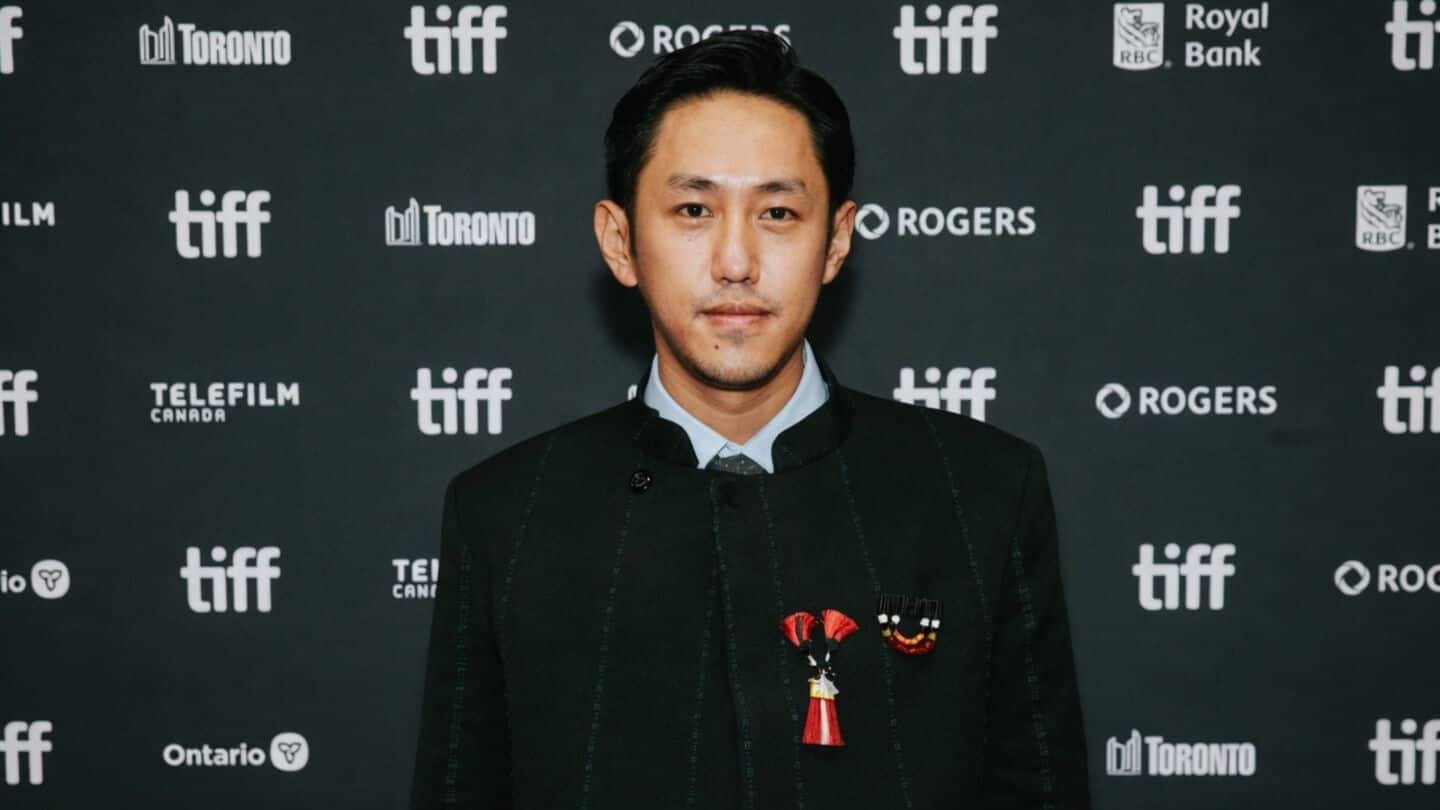
How TIFF winner 'Angh' was made with non-actors from Nagaland
What's the story
Theja Rio, a filmmaker from Nagaland, recently made history by winning the Platform Prize at the Toronto International Film Festival (TIFF) 2026 with his debut feature Angh. This victory marked a significant milestone as it was the first time a film from Nagaland won an award at TIFF. It was also the only Indian film in the Platform section. Theja's unique casting approach involved sourcing actors from villages due to the lack of a professional film industry in Nagaland.
Casting strategy
'We had to sort of go to the villages...'
Theja, a 31-year-old native of Kohima, shared his casting strategy with TIFF.
He said, "We come from a region where the film industry is almost non-existent. So that meant we don't have a lot of professional actors where we come from. We had to sort of go to the villages and street cast."
This approach helped him find people who naturally understood the world he wanted to portray in Angh.
Non-actor advantage
The benefits of casting non-actors
Theja further explained the benefits of casting non-actors.
He said, "In each village, we were sort of averaging three or four people who would come in and these people have never set foot on a film set before."
"So they had no idea what they were getting into as well. I think the beautiful thing about casting non-actors is that you normally would cast someone who's already close to the character in terms of just cultural background...personality...trait."
Film synopsis
More about 'Angh'
Set in a remote Konyak village near the India-Myanmar border in the early 1960s, Angh tells the story of Anghba, the last surviving chief who refuses to leave his deserted village.
The arrival of an American missionary, played by BAFTA-winning Scottish actor Douglas Henshall, symbolizes outside influences that threaten to alter Anghba's customs and beliefs.
The film's primary language is Konyak, adding another layer of cultural specificity.
Cinematography award
Shooting on 16mm film
Theja opted to shoot Angh on 16mm film, with Adam Pietkiewicz as the cinematographer.
Theja's decision to use this format was a nod to the film's focus on a region and a community losing its identity.
Pietkiewicz's work earned him the TIFF Variety Artisan Award for cinematography.
Oscar potential
Academy Awards qualification
Theja expressed his gratitude for the recognition Angh has received.
He said, "I want to thank the jury for recognizing our work and for giving us the opportunity to represent our country and our culture on two of the world's most prestigious stages, TIFF's Platform Competition and, soon, the Academy Awards as well."
This is possible due to a change in Academy rules that automatically qualifies winners from six festivals, including TIFF, for consideration in the International Feature Film category.