Final Air India crash report delayed
What's the story
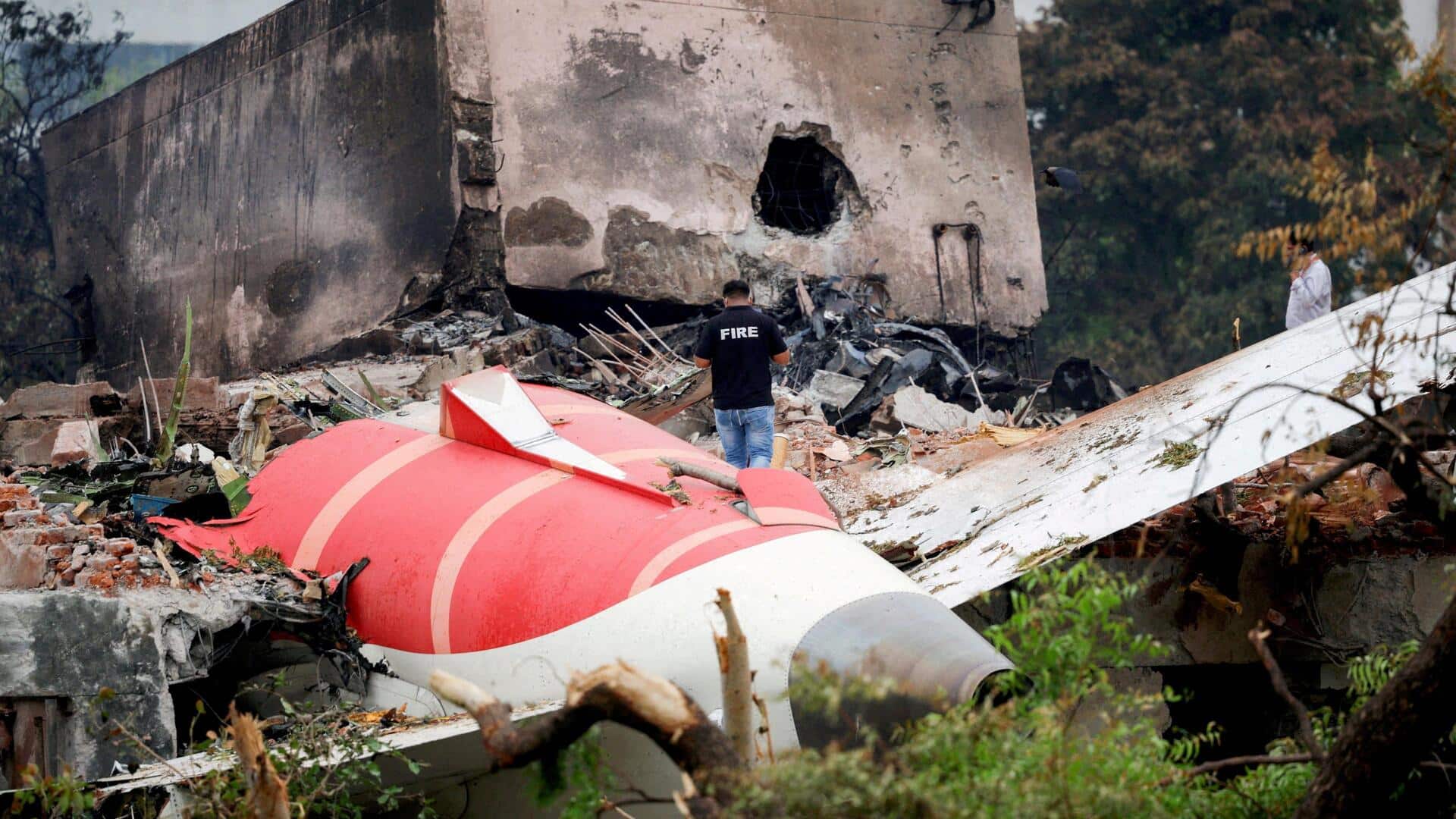
The final report on the Air India Boeing 787 crash, which killed 260 people in June last year, is likely to be delayed beyond its one-year deadline. The delay is due to an incomplete analysis of the plane's engines, a source familiar with the investigation told Reuters. The GE Aerospace-made engines have been at the center of the probe into the crash of the Air India plane shortly after takeoff on June 12, 2025, from Ahmedabad, which killed 260 people.
Initial findings
Engine testing and analysis ongoing
A preliminary report had earlier revealed that the 787's engine fuel control switches moved from "RUN" to "CUTOFF," cutting off fuel supply to both engines shortly after takeoff.
Investigators have since conducted engine testing and visited France for further analysis of the engine management unit, sources told Reuters.
The final report is expected within three months after completing studies of these engines, which are currently in the US, per Bloomberg.
Ongoing probe
Interim report expected for 1st anniversary
International regulations require a final report within a year following an accident. However, if investigations take longer than expected, an interim statement should be issued on each anniversary.
But last month Reuters reported that Indian officials were preparing an interim report for the first anniversary due to the protracted nature of the investigation.
Investigation focus
Investigators examining turbine blade fractures, fuel systems
Engine analysis is a critical part of any air accident investigation, as it helps differentiate between pre-existing mechanical failures and damage from the crash.
Investigators are examining turbine blade fractures, fuel systems, and maintenance records to rule out engine-related issues.
They are also inspecting fuel filters, lines, and valves for possible contamination or malfunctions that could have led to dual-engine failure.
Ongoing examination
Aircraft Communications Addressing and Reporting System data being reviewed
Investigators are also reviewing engineering logs and data from the Aircraft Communications Addressing and Reporting System to identify any recurring faults or maintenance issues.
Until engine forensics are complete, power failure as a cause of the accident cannot be ruled out.
According to US officials' early assessment, cockpit recording between the two pilots supported the view that the captain cut the flow of fuel to the engines.
The AAIB then said it was "too early to reach any definite conclusions."