Rare Andaman mud volcano erupts after years, scientists on alert
What's the story
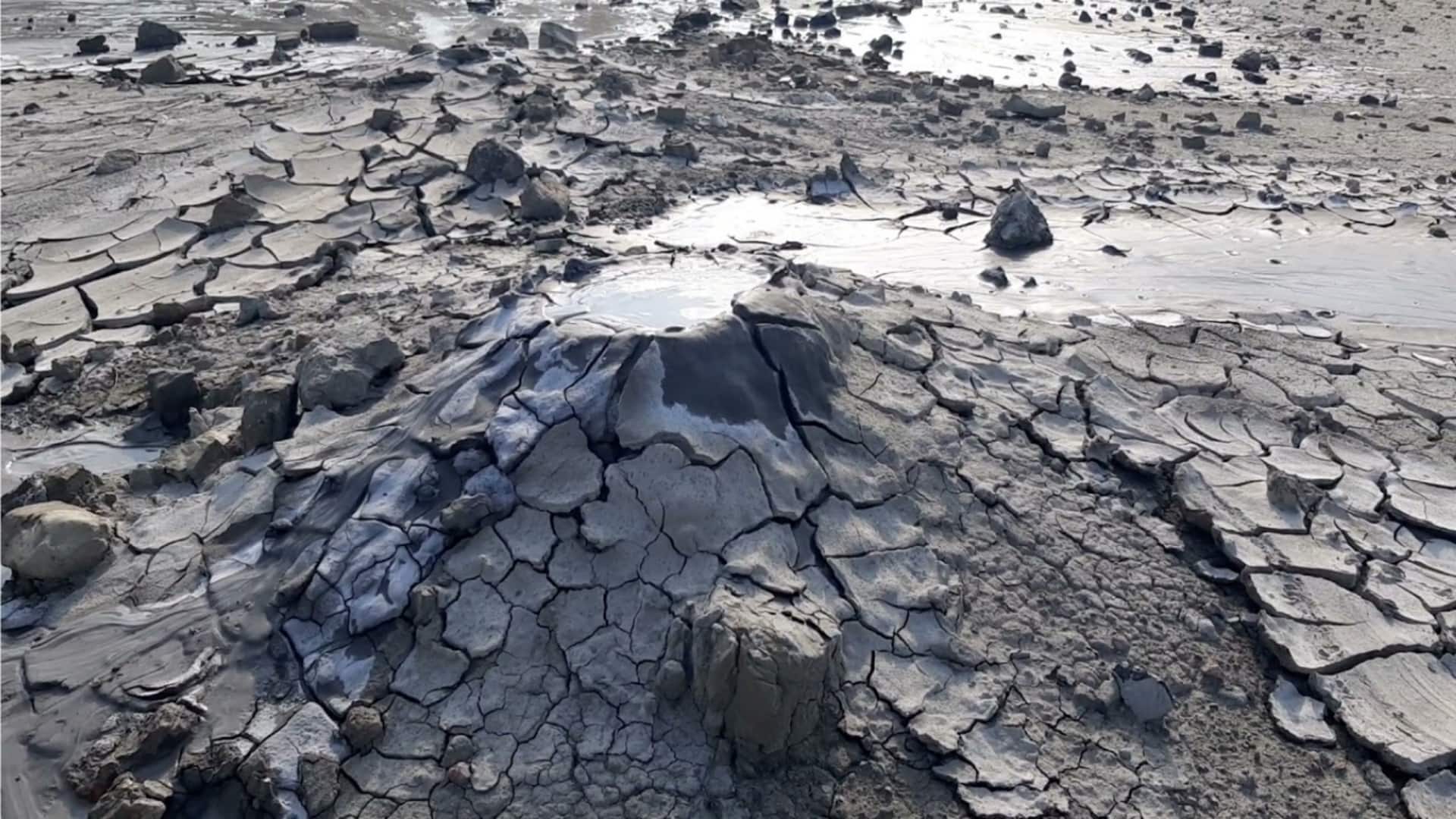
A mud volcano erupted in Diglipur, Andaman Islands, an event that is considered rare. The eruption occurred on January 8 near Jol Tekri and raised concerns among locals and tourists. The area was immediately cordoned off by authorities to ensure public safety. No injuries or major damage have been reported due to this geological event.
Twitter Post
Visuals of mud deposits after eruption
Massive mud #Volcano eruption in Shyam Nagar, Diglipur, North #Andaman. Huge mud deposits formed as spectators flocked to witness the unusual natural event 🌋 pic.twitter.com/x177RK63sR
— DJ Venkatesh (@djdiglipur) February 8, 2026
Geological significance
Understanding mud volcanoes
Mud volcanoes are geological structures that spew mud and gases, unlike true volcanoes, which erupt molten rock. The Diglipur site is one of the region's unique features.
Experts say these eruptions can indicate underground fluid and gas movement, helping scientists understand tectonic pressures beneath the islands.
The Andaman Islands are located near several tectonic plate boundaries, making them prone to seismic and volcanic activities.
Future research
Sample collection and analysis
Geologists are expected to collect samples from the eruption site for further analysis. The aim is to study the gases and sediments released by the volcano, which could provide insights into deeper crustal processes.
Such information could help predict future geological phenomena in the region.
Monitoring efforts may include satellite imagery and ground-based sensors to track any changes or developments in this unique geological event.
Environmental impact
Impact on local ecosystem
The eruption has temporarily impacted nearby forest areas, with fresh mud covering patches of soil and vegetation. Small plants and grasses were buried under thick layers of mud.
Forest officials are closely monitoring wildlife movement in the area, although no major animal casualties have been reported so far.
Trees outside the central site remain largely unharmed, highlighting the resilience of such ecosystems after past eruptions.
Misconceptions addressed
Are mud volcanoes linked to climate change?
Experts have clarified that mud volcanoes are not caused by climate change. They are mainly driven by underground pressure and tectonic activity.
However, changing rainfall patterns could influence underground water pressure, which may indirectly affect mud volcano activity.
Scientists warn against jumping to conclusions based on a single event, stressing the need for long-term monitoring to detect real patterns in geological phenomena.