Aravalli range: SC stays November 20 verdict that limited definition
What's the story
The Supreme Court has stayed its previous order that limited the definition of the Aravalli Hills. The decision was taken on Monday in a suo motu case concerning the mountain range's definition, which had raised concerns of unregulated mining and environmental damage. The bench, headed by Chief Justice of India Surya Kant, also included Justices JK Maheshwari and AG Masih.
Definition dispute
Court seeks clarifications on Aravalli Hills definition
The court said some clarifications were needed on the definitions of the Aravalli Hills. It stayed a November 20 order that had accepted a committee's recommendations on defining the range and regulating mining activities.
The bench ordered that "recommendations of the committee and findings of the Supreme Court... shall remain in abeyance till then."
The case will be taken up again on January 21, 2026.
Expert analysis
Expert committee proposed to analyze Aravalli report
The court has suggested forming a high-powered expert committee to examine the report submitted by an earlier expert panel.
The CJI stressed that a fair, independent exercise is needed before implementing any recommendations or judgments.
The issues to be looked into include whether limiting the definition of Aravalli to a 500m area creates a structural paradox and if it broadens the scope for regulated mining in non-Aravalli areas.
Range overview
Aravalli range spans multiple states
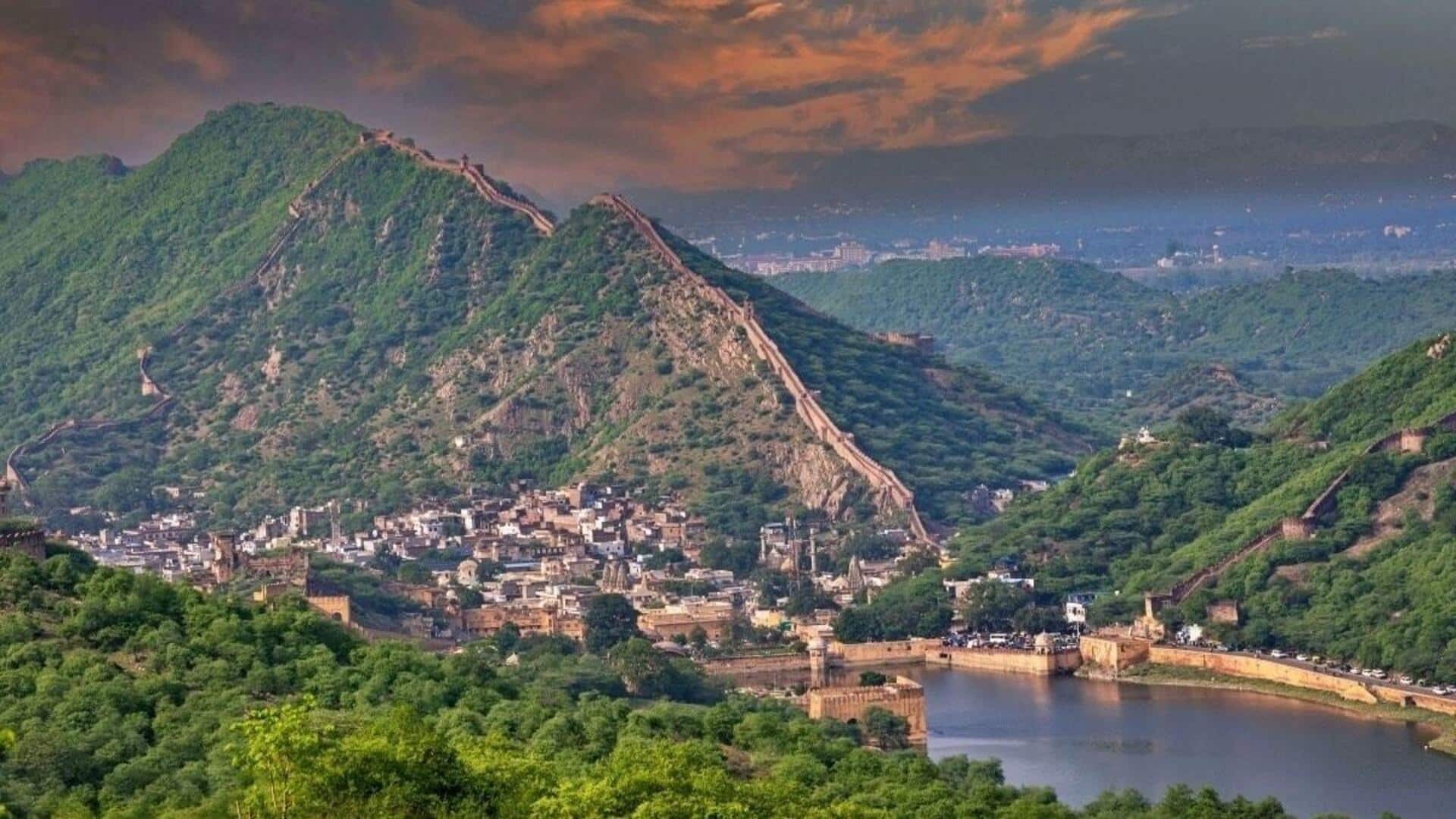
The Aravalli range, which runs through Delhi, Haryana, Rajasthan, and Gujarat, has been at the center of a legal dispute over its definition and mining regulations.
In May 2024, the Supreme Court called for a proper definition of the mountain range amid illegal mining concerns.
A committee was formed to look into these issues and submitted a report in October this year with recommendations to protect the Aravalli Hills.
Order acceptance
November 20 order accepted committee's recommendations
The November 20 order had accepted the committee's recommendations on defining the Aravalli Hills and regulating mining in core areas.
However, it had stopped short of imposing a complete ban on mining activities, citing concerns over illegal operations.
The court's latest decision to stay this order comes as a relief to protesters and environmentalists who feared unregulated mining could harm the environment.