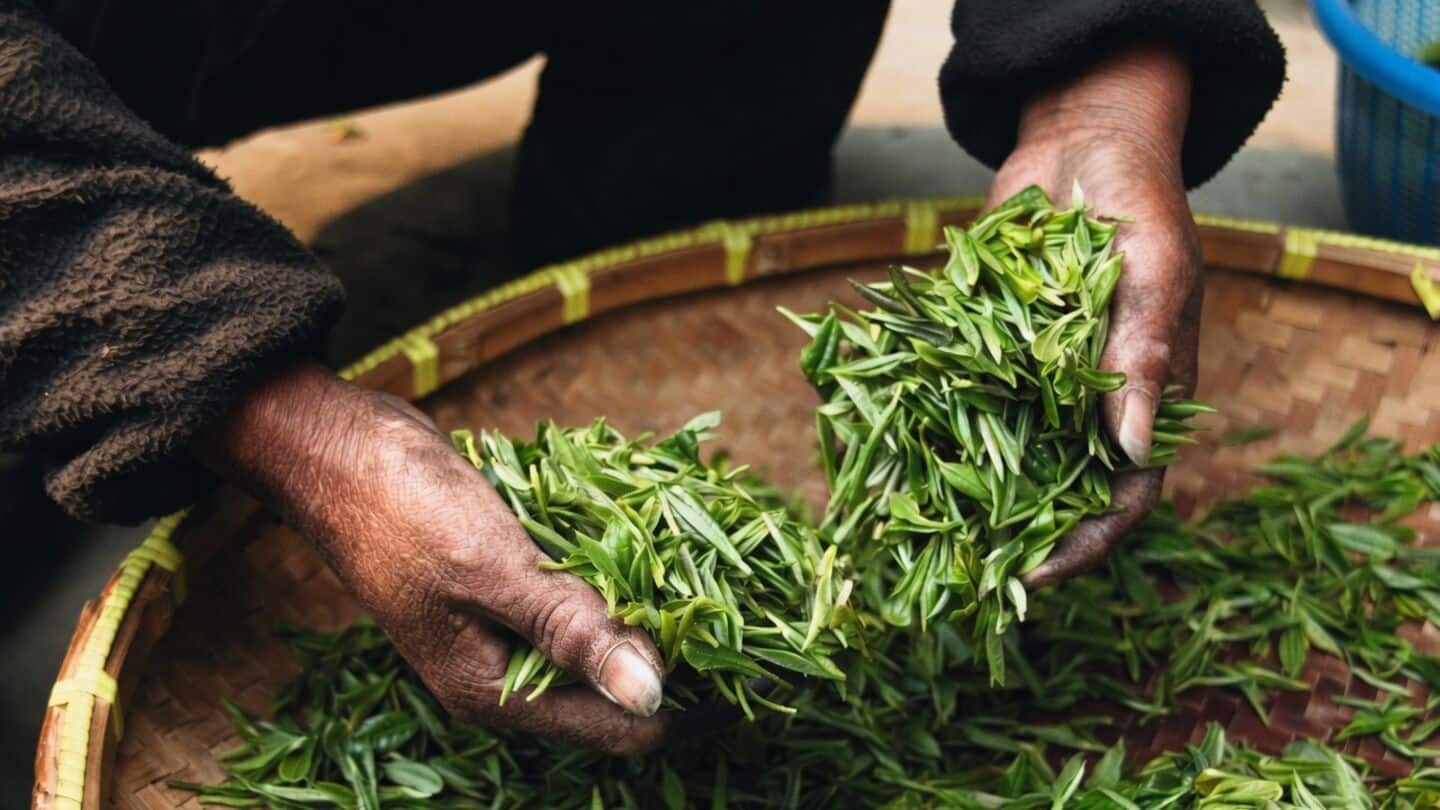
Climate change squeezes India's northeast tea belt, hurting yields
India's Northeast tea belt, home to most of the country's tea, has hit a rough patch thanks to climate change.
Darjeeling has seen smaller harvests, while Assam tea gardens have been damaged by waterlogging and other climate stresses, as higher temperatures and unpredictable rainfall mess with the growing season.
The Tocklai Tea Research Institute says that when average temperatures go above 26.6 degrees Celsius yields decline, and when monsoon rains get too heavy, it leads to drainage problems.
Prolonged dry spells can cause a deficit of soil moisture, making it tough for tea bushes to thrive.
Darjeeling output down 61% since 1990
Darjeeling has been hit especially hard, with production dropping by over 61% since 1990, from 14.49 million kg down to just 5.6 million kg in 2025.
Changing weather and more pests have pushed up costs for growers, forcing some estates out of business.
To help turn things around, the Indian Tea Association is asking West Bengal for ₹113.28 crore support package with ₹28 crore for high-quality orthodox tea production, ₹50 crore for employers' provident-fund contribution support, interest subsidy on working capital loans, mechanization of field operations, and a transport subsidy.
Meanwhile, Nepalese tea imports have surged past Darjeeling's output, adding even more pressure on local growers trying to keep their legacy alive.