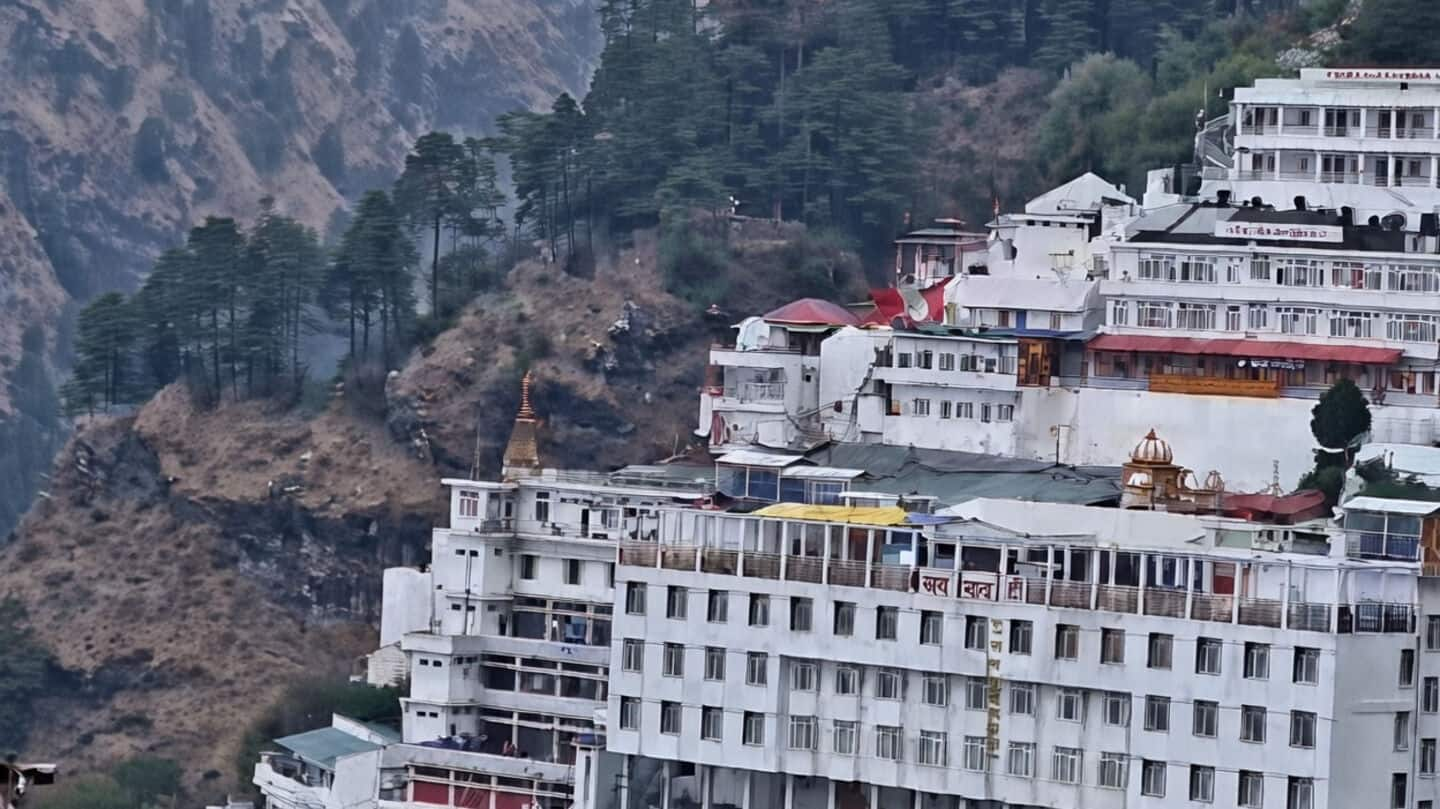
Government mint finds toxic metal in Vaishno Devi's 'silver' donations
What's the story
A government mint recently processed silver offerings from devotees at the Mata Vaishno Devi temple in Jammu and Kashmir and discovered that over 90% of the silver articles were fake, ET reported. The shrine board had sent around 20 tons of accumulated silver offerings to a government mint for melting and storage. However, the mint discovered that these so-called silver articles contained only 5-6% actual silver, with the rest being cadmium and iron.
Fraud uncovered
Financial implications
The mint's discovery has raised alarm bells, as the shrine board expected to recover nearly ₹500-550 crore worth of silver at current market rates. However, preliminary assays indicate that the actual silver content may be worth only ₹30 crore. Silver is currently priced at around ₹275,000 per kg, while cadmium, an almost identical-looking metal, costs a mere ₹400-500 per kg.
Health concerns
Health risks of cadmium
Besides the financial deception, cadmium also poses serious health risks. The Bureau of Indian Standards prohibits its use in consumer products due to carcinogenic fumes. The contamination, however, seems to be localized, as no similar adulteration has been reported at other major religious institutions like Tirupati or Siddhivinayak, the ET report said. The most likely potential culprits are suspected to be jewelers and vendors who sell silver items to pilgrims in and around the Vaishno Devi route.
Unanswered concerns
Lack of action from authorities
The mint has repeatedly flagged this issue over the past year to both the Jammu and Kashmir Lieutenant Governor's office and the Mata Vaishno Devi Shrine Board. However, as of now, neither office has taken any documented action. Queries sent to officials from both offices also remain unanswered at the time of reporting, ET said.
Official communication
Concerns about public health
In a letter to Lieutenant Governor Manoj Sinha, the mint expressed serious concerns about devotees unknowingly purchasing these adulterated items. The letter called for an immediate stop to such practices and highlighted cadmium's highly toxic nature and occupational health risks. It also raised public health concerns due to potential air and water pollution from this contamination.
Processing difficulties
Processing challenges for the mint
The mint faced additional challenges in processing these contaminated offerings. A recent batch of around 70kg silver alms given by the shrine board contained only 3kg genuine silver, a senior mint official told the ET. Processing this material took nearly three months to segregate it, with only small portions showing higher silver content. And even to identify the silver, a handheld device had to be used, costing around ₹25 lakh.