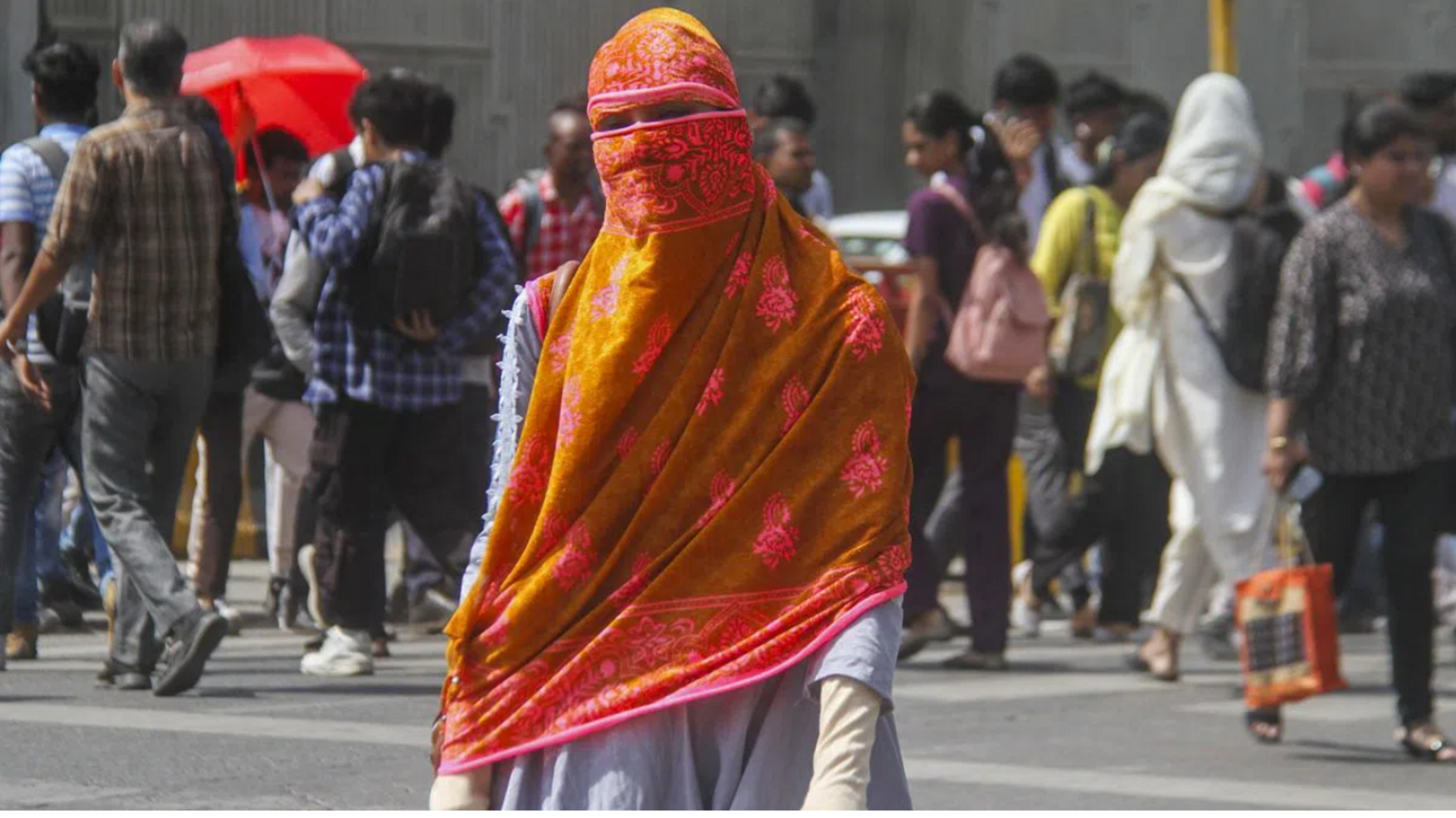
IMD warns of prolonged heatwaves across India from March
What's the story
The India Meteorological Department (IMD) has predicted a hotter-than-normal March this year, with an early onset of summer. The department has warned of prolonged heatwaves across most parts of India from March to May 2026. Rajasthan, Gujarat, Haryana, Punjab, and parts of Uttar Pradesh are among the regions at greater risk.
Heatwave forecast
North, Central India to see steady rise in temperatures
The IMD has predicted that most parts of India will witness more than normal heatwave days between March and May 2026.
North and Central India are likely to see a steady rise in temperatures.
In Uttar Pradesh, both maximum and minimum temperatures are expected to be above normal, leading to not just warmer days but also relatively warm nights.
Weather change
Western disturbance likely to bring temporary relief
From March 4, a western disturbance is likely to affect the western Himalayan region.
Light to moderate rain and snowfall are likely in the higher reaches of Jammu and Kashmir and Himachal Pradesh between March 4 and March 7, which may lead to a slight drop in temperatures.
Lower regions may see cold winds during this time.
Temperature rise
Delhi, Bihar, Jharkhand to witness rise in temperatures
Delhi is likely to remain dry over the next seven days with no major change in minimum temperatures initially. However, a rise of 2-3°C is expected later, making nights warmer.
Maximum temperatures are likely to remain much above normal throughout the week.
In Bihar and Jharkhand too, a gradual rise in maximum temperatures is expected with no significant immediate change.
Weather warning
IMD warns of hot and humid conditions in some regions
The IMD has also warned of hot and humid conditions in parts of Konkan-Goa and Gujarat between March 4-7. This adds to the concerns over early summer stress across the country.
Prolonged heatwaves during March, April, and May could pose serious health risks, affect water availability, increase electricity demand, and put pressure on essential services.