MP forms panel to study feasibility of implementing UCC
What's the story
The Madhya Pradesh government has constituted a six-member high-level committee to study the feasibility of implementing a Uniform Civil Code (UCC) in the state. The panel, which will be headed by retired Supreme Court judge Ranjana Prasad Desai, was formed by the Department of Law and Legislative Affairs on April 27. It includes retired IAS officer Shatrughna Singh, advocate Anoop Nair, educationist Gopal Sharma, social activist Bushpal Singh, and General Administration Department secretary Ajay Katesariya.
Legal review
Committee to review existing personal, family laws
The committee's mandate is to review existing personal and family laws in Madhya Pradesh, which currently govern marriage, divorce, maintenance, succession, adoption, and live-in relationships.
It will also study models from other states, such as Uttarakhand and Gujarat.
The panel aims to propose a uniform legal framework that ensures equality and legal clarity while considering the state's social, cultural, and economic context.
Political sensitivity
UCC proposal faces opposition from tribal groups
The UCC proposal has met with stiff resistance, especially from tribal groups and opposition parties.
Tribal leaders have threatened statewide protests if their customary practices are included under a uniform legal framework.
They argue that constitutional protections under the Fifth Schedule and laws like PESA safeguard their distinct traditions and systems of self-governance.
Implementation plan
BJP pushes for common personal laws
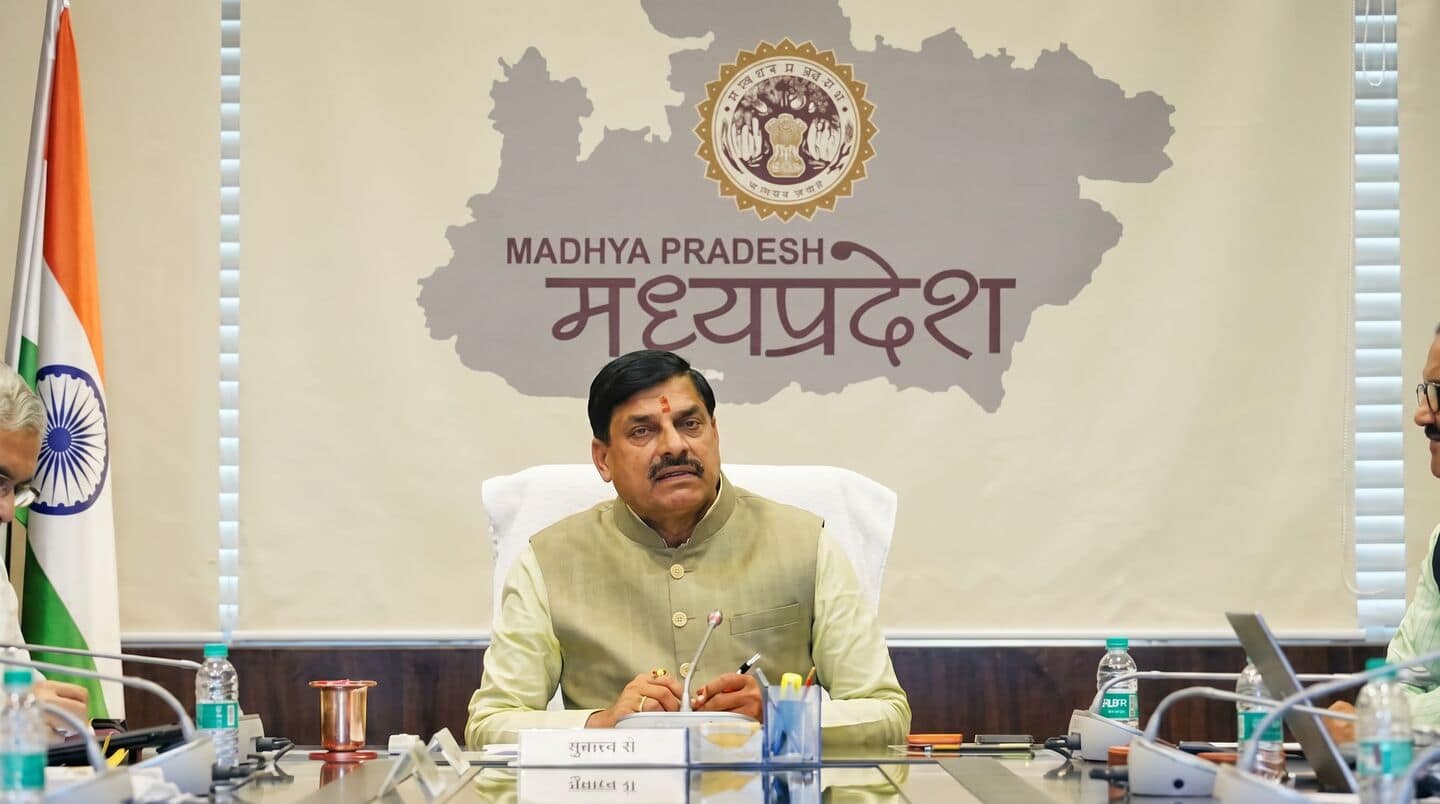
Chief Minister Mohan Yadav has directed officials to prepare a draft bill within six months, with an ambitious timeline to roll out the legislation by Diwali this year.
The move is in line with the Bharatiya Janata Party's national push for common personal laws.
If implemented, it could have a major impact on governance and legal structures in Madhya Pradesh.