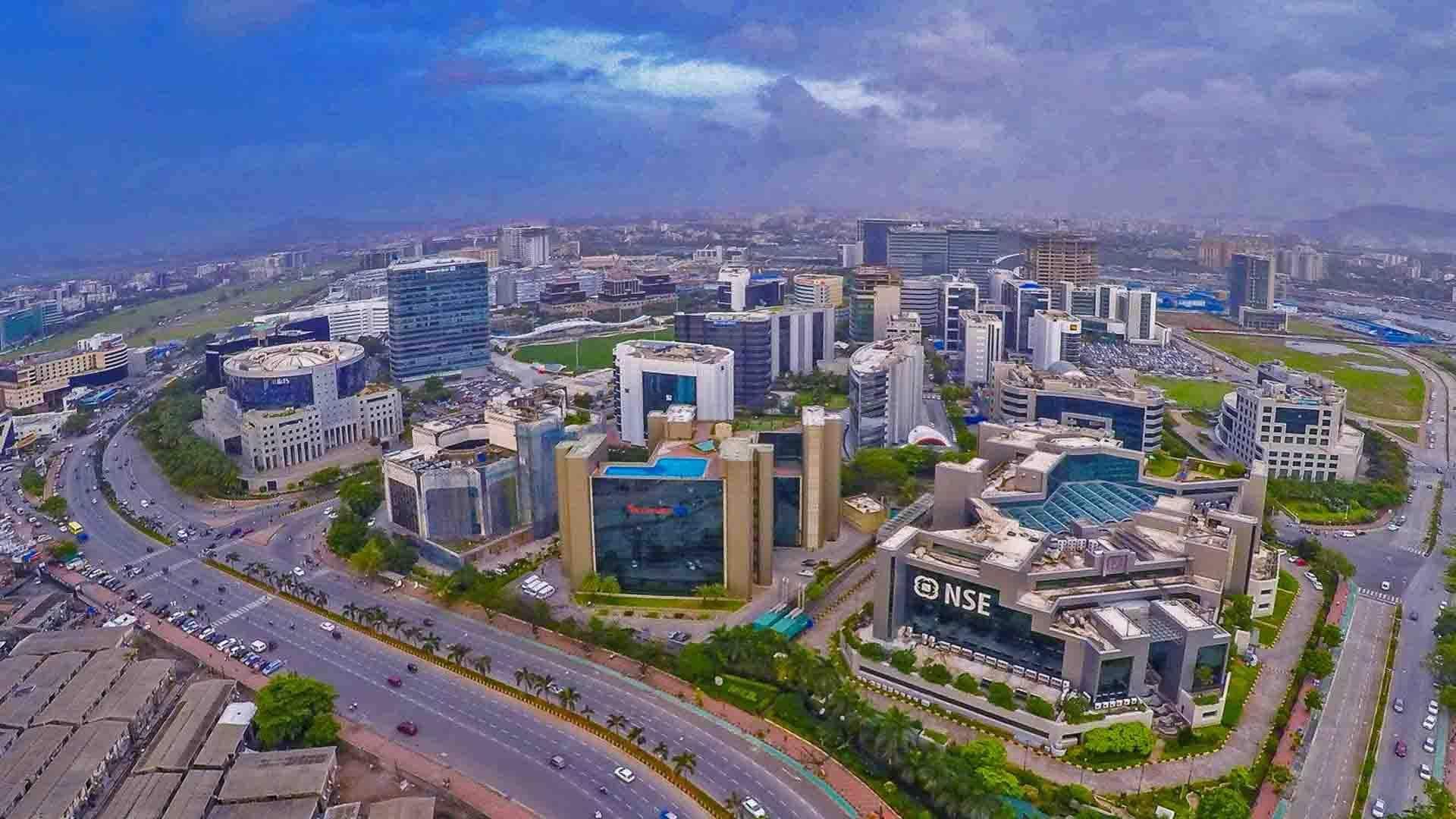
How Mumbai's BKC car ban every Friday will affect workers
What's the story
Mumbai's Bandra Kurla Complex (BKC) will observe 'Public Transport Day' every Friday from June 12. The initiative, a first-of-its-kind in a corporate district, aims to reduce congestion and promote sustainable travel. Nearly 200,000 professionals working in the area are encouraged to use public transport like trains, metros and buses instead of their private vehicles.
Choice
MMRDA has asked its nearly 2,000 employees to participate
The decision to designate Fridays as 'Public Transport Day' is based on the observation that employees are more flexible with their work schedules toward the end of the week.
This makes them more open to trying out alternative modes of transport.
MMRDA has also asked its nearly 2,000 employees and contractual staff to participate in this initiative.
Monitoring phase
Initiative will be monitored over the next 3-4 months
The initiative will be closely monitored over the next three to four months. During this time, authorities will assess challenges on a weekly basis and make changes as needed.
This move comes after surveys and stakeholder consultations conducted in recent weeks, which revealed that 82% of commuters would consider using public transport if it was more reliable, convenient, and better connected.
Connectivity challenges
Discussions highlighted last-mile connectivity
The discussions highlighted last-mile connectivity from Aqua Line metro stations, pedestrian facilities within BKC, lack of shade for walkers, and the need for more frequent BEST bus services.
An executive working at a top financial firm said getting out of the metro station is quick but finding a shared auto or feeder bus to cover the remaining distance inside BKC is a daily struggle.
Reliance on private transport
What does research say?
Research presented during discussions revealed that 52% of commuters still rely on personal cars, taxis, and auto-rickshaws while only 25% use public transport for their daily commutes.
Experts have cited poor last-mile connectivity from Aqua Line stations and lack of pedestrian infrastructure as major reasons for low public transport usage.
Collaborative efforts
Authorities and partner agencies are working with companies in BKC
Authorities and partner agencies are working with companies in BKC to find immediate and long-term solutions.
Among the proposals being considered are dedicated turning facilities for BEST buses at major junctions to improve service efficiency.
Officials are also looking into whether internal roads within large office campuses can be opened to pedestrians for shorter walking routes.
Walkability concerns
Urban mobility experts say improving walkability will be key
Urban mobility experts have stressed that improving walkability will be key to the success of this initiative.
They have pointed out that BKC's wide concrete spaces and limited tree cover make walking uncomfortable, especially in hot weather.
Planners have proposed creating shaded pedestrian corridors, increasing tree cover and improving links between metro stations and office buildings.