Russia has stood by India when needed most: Jaishankar
What's the story
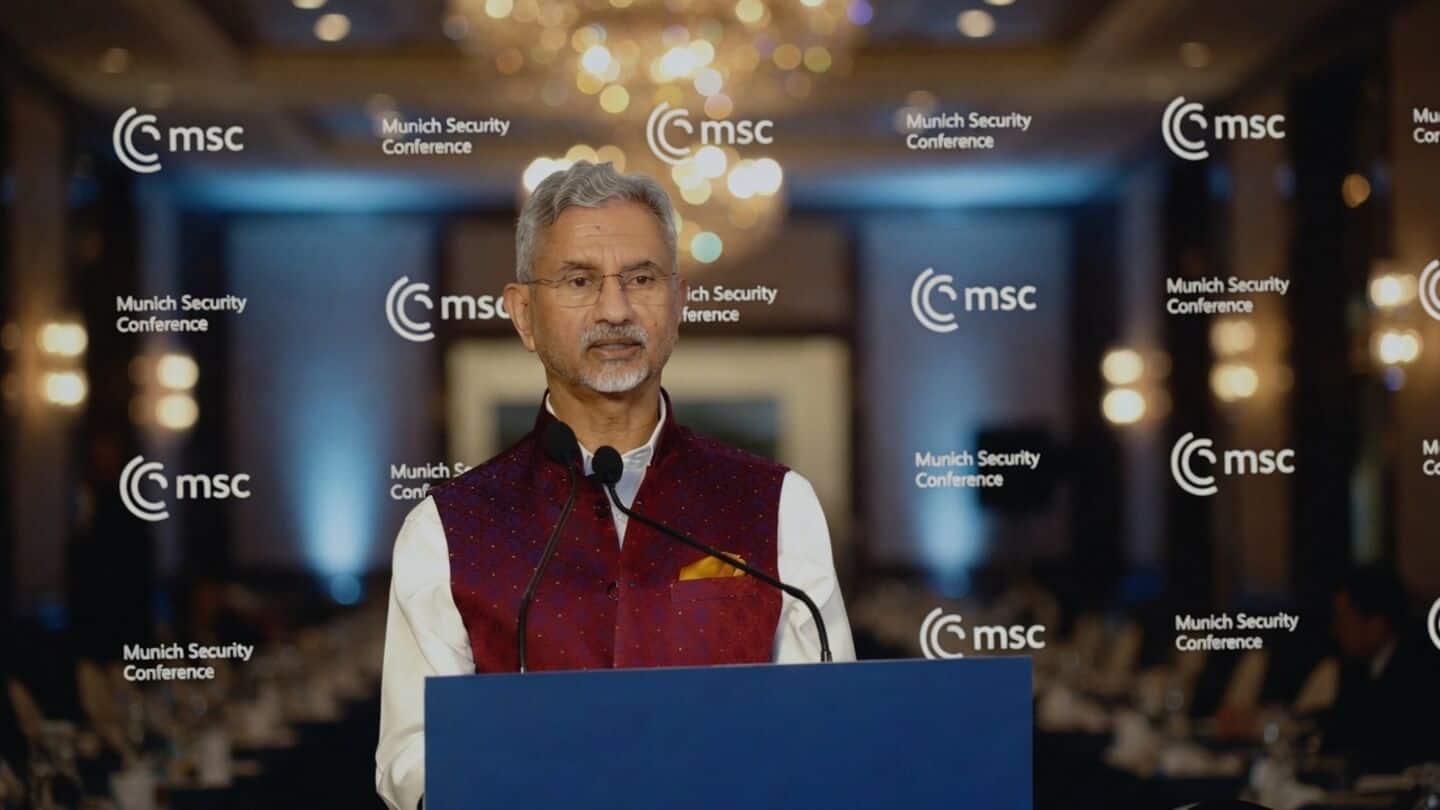
External Affairs Minister S Jaishankar has reiterated India's close ties with Russia, even as Western nations criticize the relationship. Speaking at the Munich Security Conference in New Delhi, he said Moscow has stood by New Delhi when its security and territorial integrity were threatened. He recalled how Russia and the Soviet Union stood by India since the 1950s, especially when much of the world supported Pakistan's military regime.
Historical backing
Jaishankar's veiled reference to Soviet support during 1971 war
Jaishankar's comments were a veiled reference to Soviet support during the 1971 war with Pakistan.
At that time, Washington had sent a naval task force to the Bay of Bengal in support of Islamabad.
The minister emphasized that every country judges its relationships through its own experiences, adding that India's experience with Russia has been positive.
"India's experience has been positive and consistently positive," he said.
Evolving partnership
US, Europe criticize India's continued engagement with Russia
Jaishankar's remarks come at a time when the United States and Europe have criticized India's continued engagement with Russia, especially its oil purchases during the Ukraine war.
Washington has urged New Delhi to reduce those imports, which India defends as essential for its energy security.
The minister said that the relationship has evolved since the 1970s and 1980s, with trade, energy, and resources now being major parts of their partnership.
Peace efforts
India calls for end to hostilities through dialogue, diplomacy
On the Ukraine conflict, Jaishankar reiterated India's call for an end to hostilities through dialogue and diplomacy.
Prime Minister Narendra Modi has also stressed this position, telling Russian President Vladimir Putin in 2022 that "today's era is not an era of war."
The minister said India has gone beyond advocating peace and held talks with both Russia and Ukraine on various issues, including attacks on Black Sea shipping, grain imports, energy exports, and strikes on critical infrastructure.