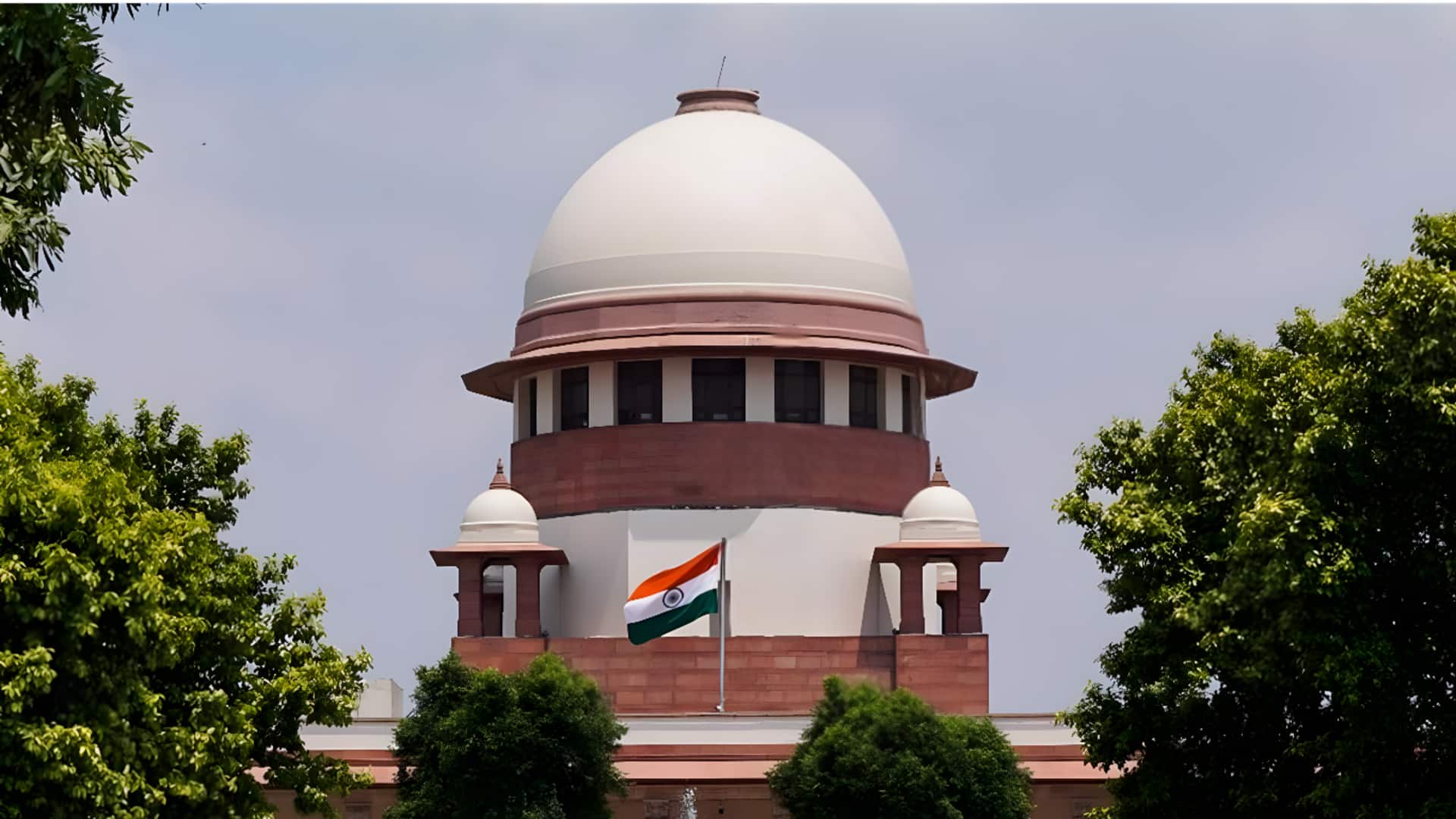
SC to issue guidelines against insensitive orders in rape cases
What's the story
The Supreme Court has expressed concern over "anti-women orders" passed by courts in India in rape and sexual assault cases. Chief Justice Surya Kant said such orders have a "chilling effect" on survivors, pressuring them to withdraw complaints, NDTV reported. The court is considering issuing detailed guidelines for high courts after gathering more information on these controversial rulings.
Case review
SC's intervention follows controversial Allahabad HC order
The Supreme Court's intervention comes after a controversial order by the Allahabad High Court, which has now been stayed.
The high court had said "grabbing a minor's breast and touching her is considered a misdemeanor" and "breaking the pyjama string is not sufficient to constitute an attempted rape."
The SC took up this matter suo motu, seeking records of similar controversial orders across India.
Legal concerns
SC seeks examples of insensitive comments from lawyers
During the hearing, senior lawyer Shobha Gupta highlighted similar remarks made in other high courts. The same court had also remarked that "nighttime was like an invitation."
She alleged that the Calcutta High Court and Rajasthan High Court had also made similar comments.
Another lawyer informed the SC about a recent incident where a girl was harassed during in-camera proceedings in a sessions court.
"If you bring all such examples before us, we can issue comprehensive guidelines," the CJI said.
Survivor protection
SC aims to protect survivors from intimidation
The Supreme Court has emphasized that there should be no comments or procedures that intimidate survivors or compel them to withdraw complaints.
The court is committed to ensuring a sensitive approach in dealing with rape and sexual assault cases.
These proposed guidelines are aimed at creating a safe environment for survivors, encouraging them to seek justice without fear of further victimization.