Supreme Court clears way for passive euthanasia in vegetative state
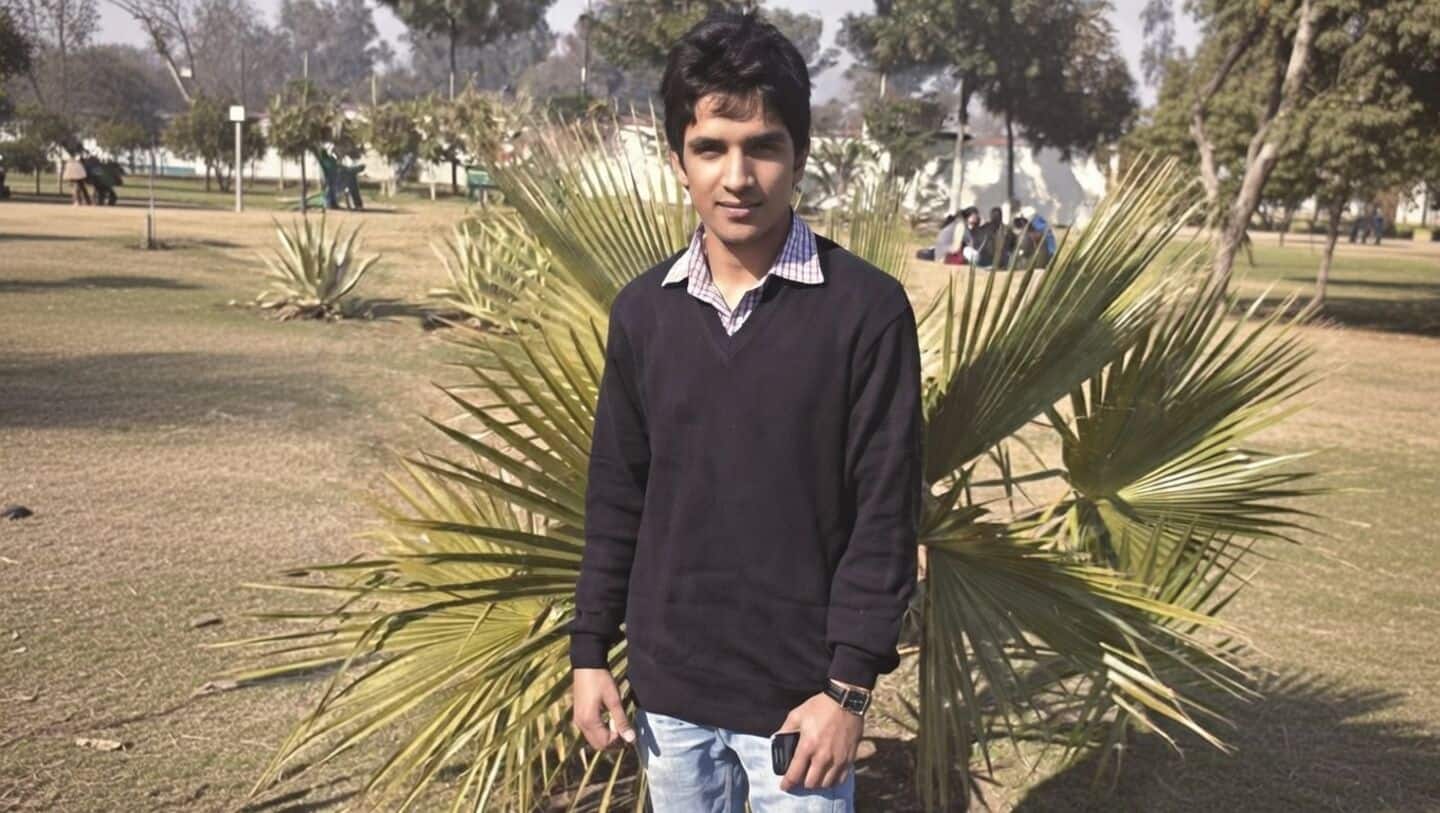
The Supreme Court has given the go-ahead for passive euthanasia in the case of Harish Rana, a 32-year-old who has been in a vegetative state for over a decade after a major accident.
This means doctors can now withdraw life support since there is no real hope of recovery, a decision made to let him pass naturally and with dignity.
What is passive euthanasia?
Passive euthanasia is when medical teams stop using machines like ventilators or feeding tubes to keep someone alive if there is no chance they will get better.
The Supreme Court has backed this before, saying it respects the right to die with dignity under Article 21 of the Constitution.
The court also urged the government to create guidelines
Rana's parents have cared for him for years and remained by his side.
The court also called on the government to make clear laws about passive euthanasia and set up expert panels nationwide—so families facing similar situations have proper support and guidance.