Why Bihar has advised against eating fish after Nepal flood
What's the story
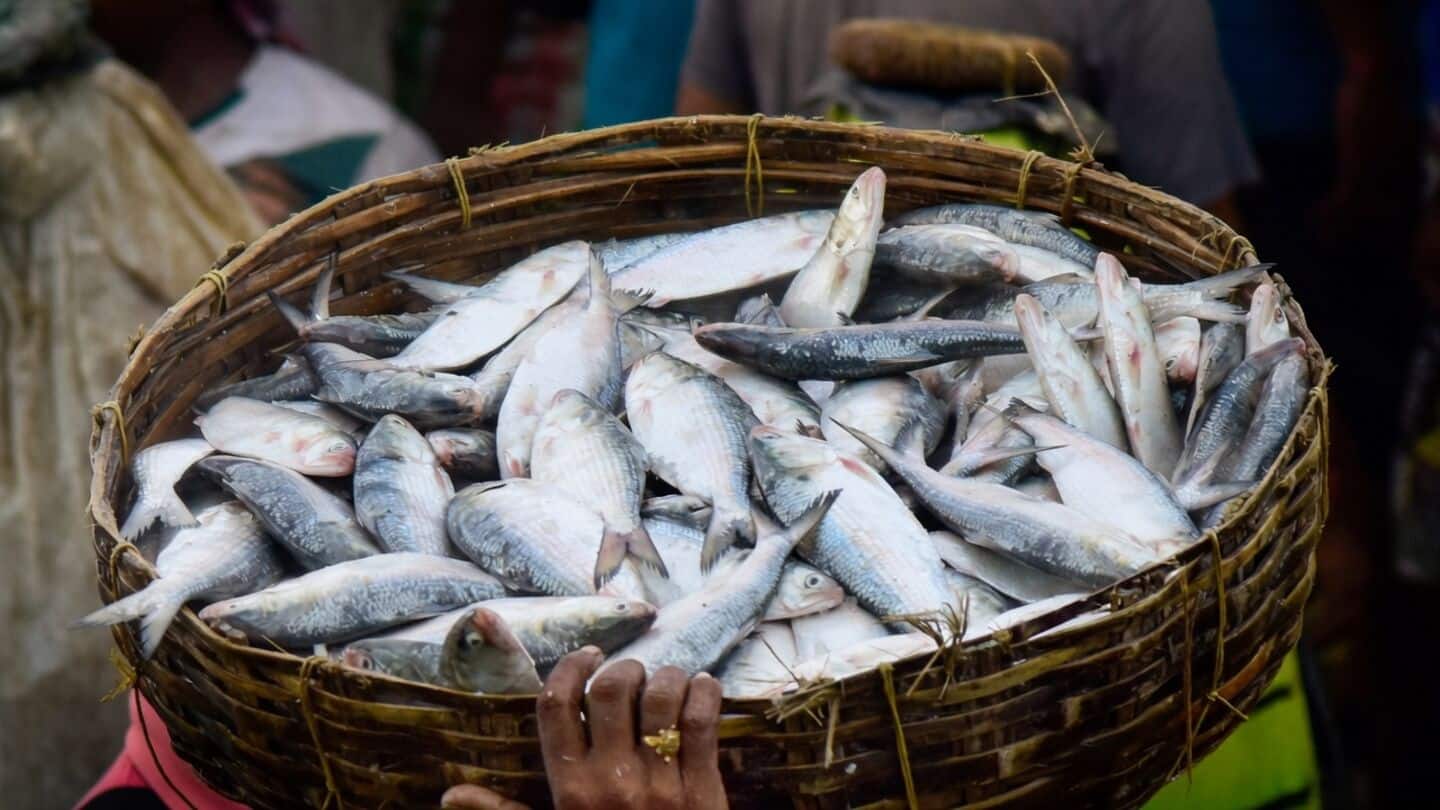
Bihar authorities have issued a warning against consuming, buying, or selling unfamiliar fish caught in floodwaters. The advisory comes after flash floods in Nepal have left over 1,000 dead and thousands missing. Water from the Trishuli River in Nepal has been flowing into Bihar via the Gandak and Kosi rivers. Unfamiliar types of fish have been turning up in flood-affected areas with rising river waters, and some people are reported to have fallen ill after eating them.
Health concerns
Fish can be exposed to pathogens during floods
The Department of Dairy, Fisheries and Animal Resources in Bihar stated in its advisory that during floods, fish can be exposed to sewage, bacteria, viruses, and other pathogens.
The department has advised against consuming unknown or unusual-looking fish until environmental conditions stabilize.
"Information has been received that unknown...unusual types of fish have reached some areas of Bihar along with flood water from Nepal. Information has also been received about some people falling ill after consuming such fish," it said.
River contamination
Dead fish, debris flowing into Bihar
The Kosi and Gandak rivers have swelled after the flash floods in Nepal. They are now carrying large amounts of debris and dead fish into Bihar.
Landslides and glacial bursts in Nepal's hilly regions have washed down silt, mud, stones, and large tree trunks.
Wreckage from collapsed bridges and damaged hydroelectric projects in Nepal is also floating into Bihar's rivers along with human and animal remains.
Twitter Post
Check advisory here
जनहित में आवश्यक सूचना / एडवाइजरी
— Dairy, Fisheries and Animal Resources Dept., Bihar (@BiharAFRD) August 31, 2026
नेपाल की ओर से बाढ़ के पानी के साथ बिहार में पहुंची अज्ञात /असामान्य मछलियों के संबंध में सावधानी बरतें#PublicAdvisory #PublicAwareness #FloodAlert #FloodWater #UnknownFish #UnusualFish #Fisheries#सावधानी_बरतें #बाढ़ #बाढ़_का_पानी #अज्ञात_मछली pic.twitter.com/FRObPDsIZu
Health risks
Dangers of consuming contaminated food and water
Health experts warn that contaminated floodwater could mix with drinking water sources, leading to diseases like diarrhea and cholera.
The consumption of contaminated food and water also raises the risk of typhoid, hepatitis A, and E.
On top of it, stagnant water is expected to increase mosquito breeding, exposing people to the risk of dengue and malaria.
Groundwater in several districts bordering Nepal already has arsenic levels above safe limits.
Agricultural impact
Nepal may need up to $5bn to rebuild
The floods were triggered by a glacier collapse in Tibet, which sent a massive ice and rock mass hurtling down the valley. This hit the Lhende river, temporarily blocking it before releasing a devastating flood downstream.
Nepal's Finance Minister Swarnim Wagle said initial estimates suggest the country may need up to $5 billion or $3.6 billion to rebuild the Rasuwa and Nuwakot districts near the Tibet border.