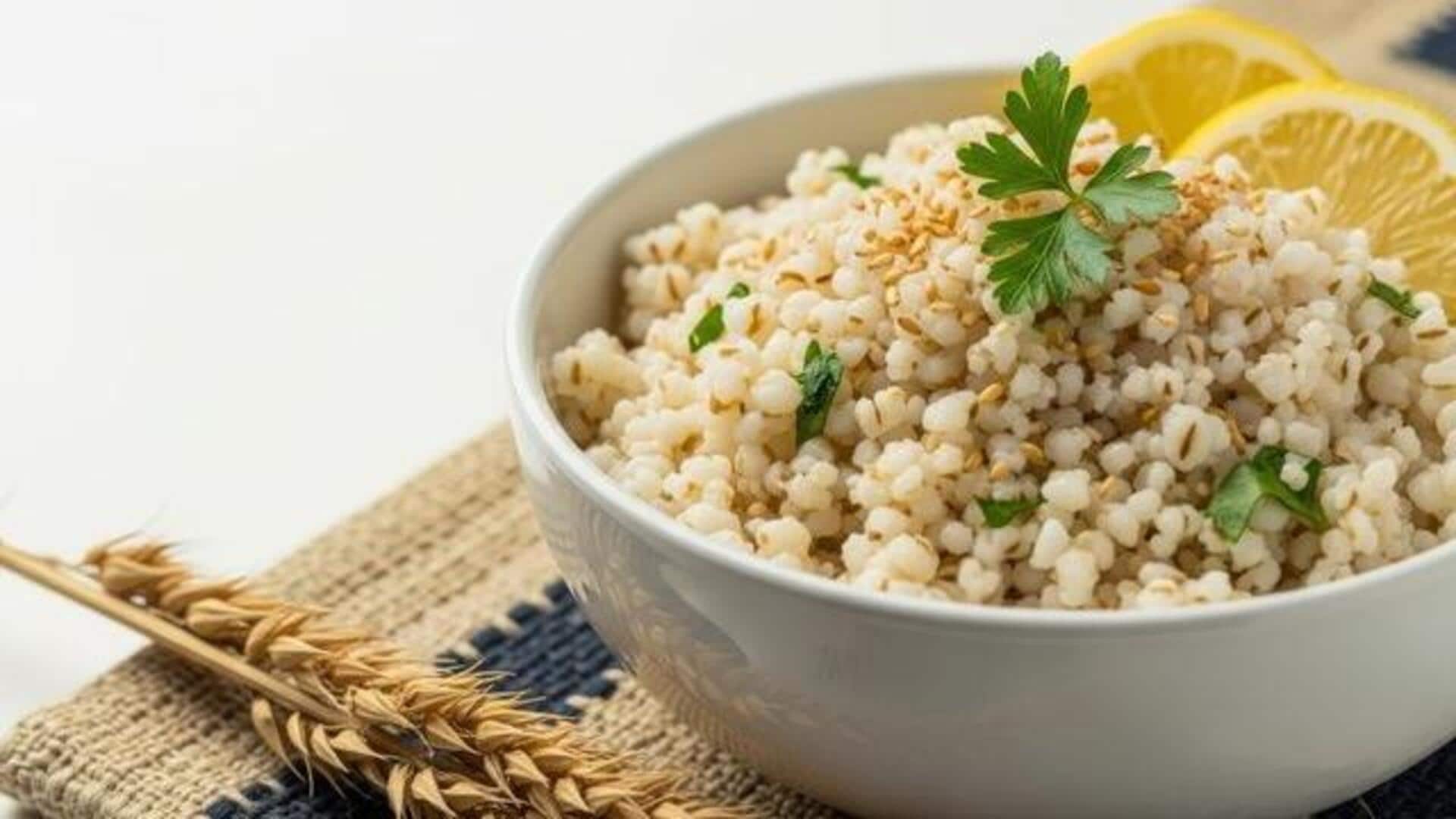
5 ancient grains and their nutritional benefits
What's the story
African cuisine is a treasure trove of flavors and traditions, many of which are rooted in ancient grains. These grains have been a staple in the diets of various African communities for centuries, providing nutritional benefits and cultural significance. From sorghum to teff, these grains are not just essential for sustenance but also play a key role in traditional dishes that have been passed down through generations.
#1
Sorghum: A versatile grain
Sorghum is one of the most widely cultivated grains in Africa. It is drought-resistant, making it ideal for regions with erratic rainfall.
Sorghum is used to prepare porridge, flatbreads, and even fermented drinks in different parts of the continent. Its versatility makes it a staple in many households.
Rich in fiber and antioxidants, sorghum is also a healthy choice for those looking to add whole grains to their diet.
#2
Teff: The tiny powerhouse
Teff is an ancient grain native to Ethiopia and Eritrea.
Although it is tiny, teff is packed with nutrients such as iron, calcium, and protein.
It is commonly used to prepare injera, a sourdough flatbread that accompanies most meals in Ethiopian cuisine.
The grain's high fiber content aids digestion, and its gluten-free nature makes it suitable for those with gluten intolerance.
#3
Millet: The drought-resistant grain
Millet is another drought-resistant grain that grows well in arid regions of Africa.
It is commonly used to prepare porridge or as a side dish with vegetables or legumes.
Millet's mild flavor makes it a versatile ingredient in both savory and sweet dishes.
Rich in magnesium and phosphorus, millet helps maintain healthy bones and supports metabolic processes.
#4
Fonio: The ancient supergrain
Fonio is one of the oldest cultivated grains in Africa, dating back over 5,000 years. It grows rapidly even in poor soil conditions, making it an important crop for food security.
Fonio cooks quickly like couscous or rice but has a nuttier flavor profile than these grains do.
Its high amino acid content makes fonio an excellent source of plant-based protein for vegetarians or vegans alike.
#5
Amaranth: The nutrient-rich seed
Often mistaken for a grain, amaranth is actually a seed. It has been cultivated since ancient times by civilizations like the Aztecs and Incas.
Today, it continues to be grown across Africa where it thrives under harsh conditions. This is due to its drought tolerance, which is essential given climate change challenges worldwide today.
Amaranth offers high protein levels, including lysine, which is lacking in most cereals.
This makes it especially beneficial when combined with other staples like maize flour, used widely throughout sub-Saharan regions today.