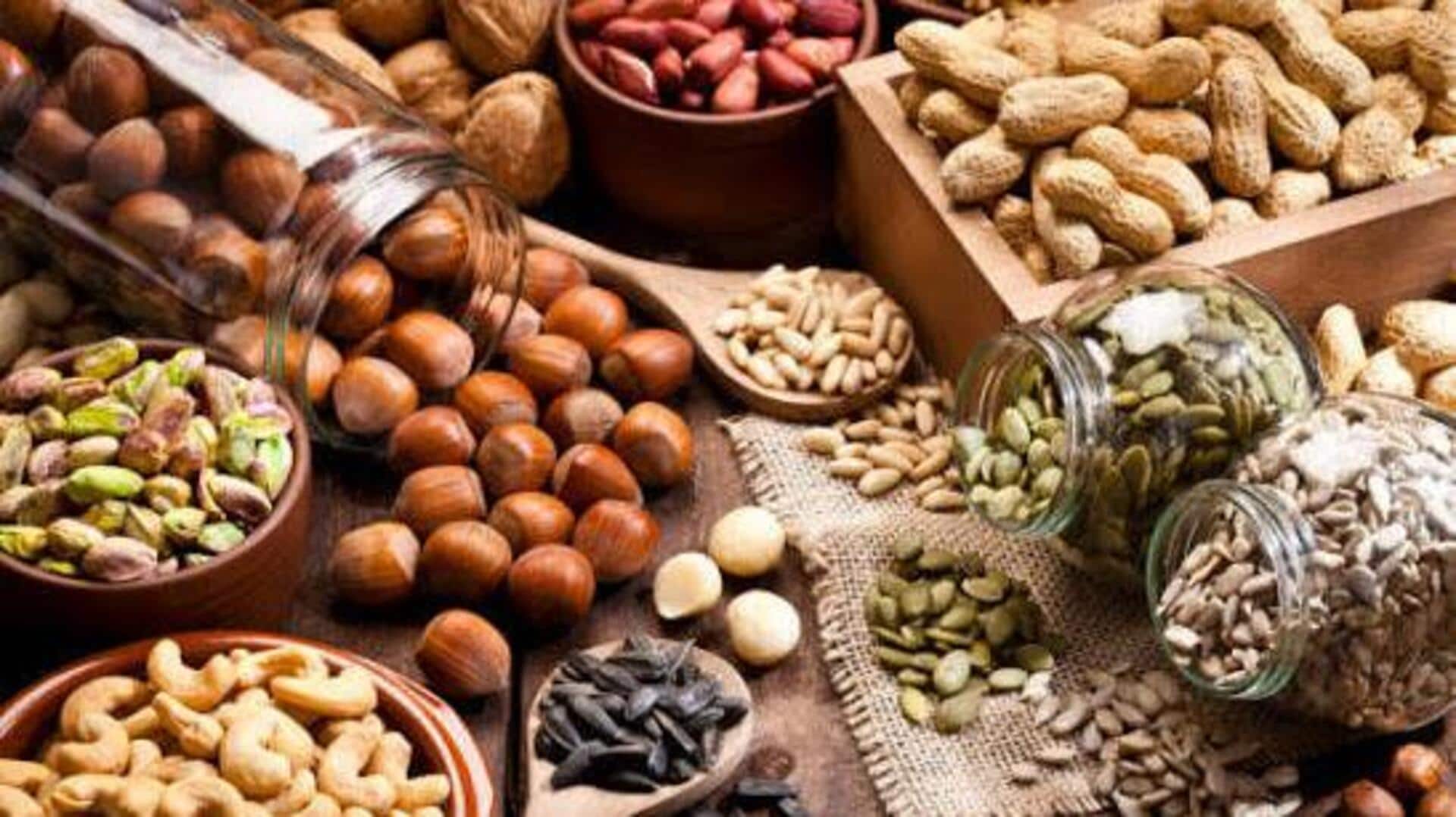
5 heart-healthy seeds you must know about
What's the story
African seeds have been part of traditional diets for centuries, offering a range of health benefits. These seeds are packed with nutrients that promote heart health and overall well-being. Including these seeds in your diet can be an easy way to boost your heart health. Here are five African seeds that can help you keep your heart healthy.
#1
Baobab seeds: A nutrient powerhouse
Baobab seeds come from the iconic baobab tree, often called the "tree of life."
These seeds are rich in fiber, vitamin C, and antioxidants.
The high fiber content helps in lowering cholesterol levels, and vitamin C promotes blood vessel health.
Antioxidants in baobab seeds also help fight oxidative stress, which can damage the cardiovascular system.
#2
Moringa seeds: Rich in omega-3 fatty acids
Moringa seeds come from the moringa tree, often called a miracle tree for its nutritional benefits.
These seeds are rich in omega-3 fatty acids, which are essential for heart health.
Omega-3s help lower inflammation and reduce the risk of heart disease by improving blood circulation and lowering triglyceride levels.
#3
Fonio seeds: Gluten-free grain alternative
Fonio is a tiny grain native to West Africa and is one of the oldest cultivated grains in the world.
It is gluten-free and loaded with essential amino acids that promote muscle repair and growth.
Fonio's low glycemic index makes it an ideal choice for maintaining stable blood sugar levels, which is important for keeping your heart healthy.
#4
Amaranth seeds: High protein content
Amaranth is a pseudo-cereal that has been cultivated for thousands of years in Africa.
Its seeds are packed with protein, containing all nine essential amino acids required by the body for muscle repair and growth.
Amaranth is also rich in magnesium, which helps regulate blood pressure by relaxing blood vessels.
Tip 5
Tiger nuts: Natural source of prebiotics
Tiger nuts are not actually nuts but tubers that have been eaten since ancient times across Africa.
They are consumed as snacks or added to dishes such as porridge or used to make milk substitutes like horchata de chufa (tiger nut milk).
They provide prebiotic fiber called resistant starch, which promotes gut health by feeding beneficial bacteria.
This can aid digestion and support the absorption of nutrients needed for cardiovascular health.