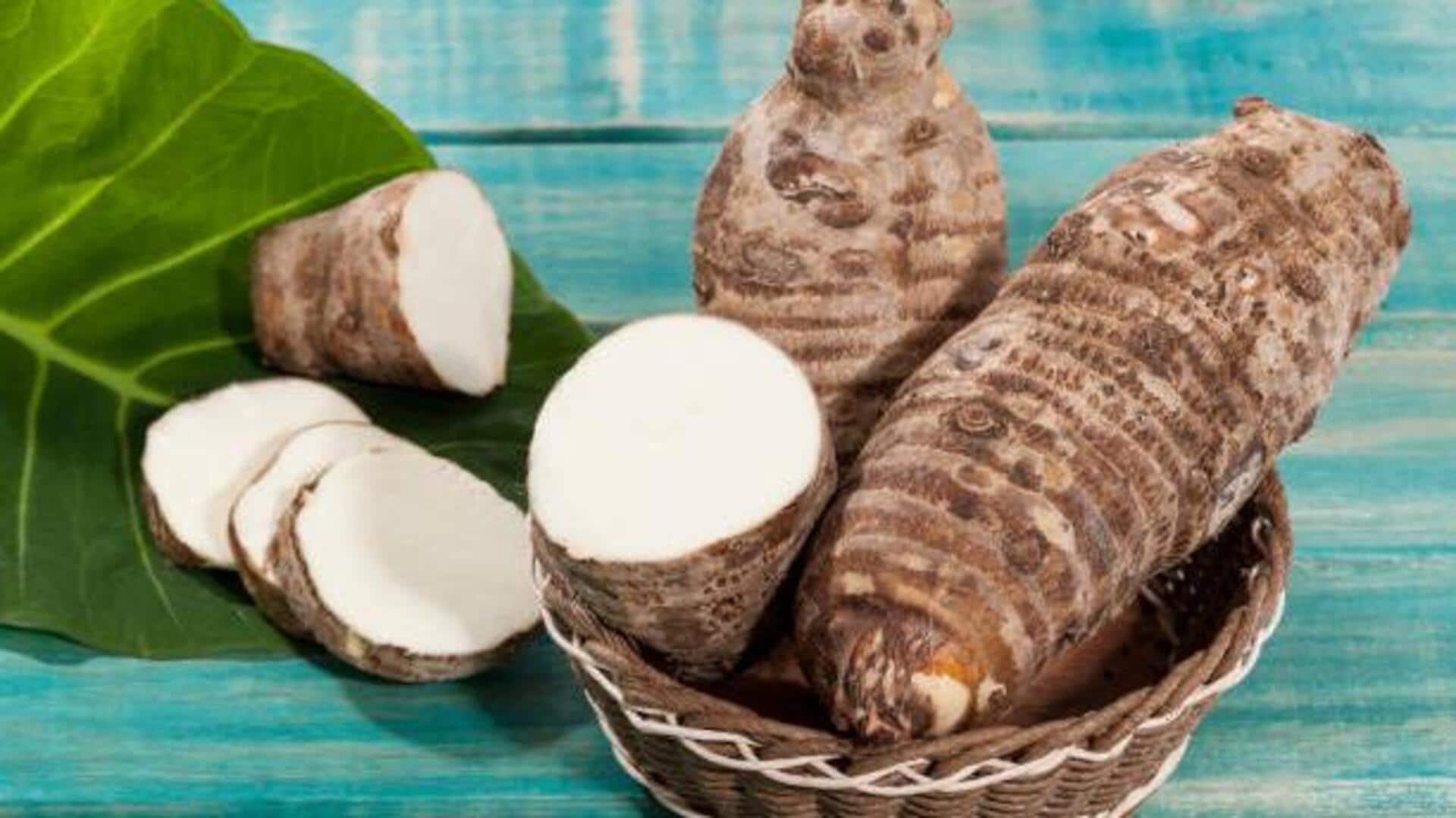
5 Indian tubers every vegetarian must try
What's the story
Indian cuisine is famous for its diversity, and its use of tubers is no exception. These root vegetables are a staple in many vegetarian dishes, adding flavor, texture, and nutrition. From sweet potatoes to yams, Indian tubers offer a range of culinary possibilities that can elevate any meal. Here are five Indian tubers that every vegetarian should consider adding to their diet for a nutritious boost.
#1
Sweet potatoes: A nutritious delight
Sweet potatoes are a popular choice in Indian kitchens. They are rich in vitamins A and C, and provide a good amount of fiber.
Sweet potatoes can be roasted, boiled, or mashed, and used in various dishes like curries or as a side dish.
Their natural sweetness makes them an excellent complement to spicy flavors commonly found in Indian cuisine.
#2
Yams: Versatile and flavorful
Yams are another versatile tuber used widely in India. They are packed with potassium and vitamin C, making them healthy.
Yams can be cooked similarly to potatoes; they can be fried, boiled, or added to stews.
Their earthy flavor goes well with spices like cumin and coriander, making them an amazing addition to vegetarian recipes.
#3
Taro root: Creamy texture enhancer
Taro root is famous for its creamy texture when cooked. It is rich in dietary fiber and provides essential minerals, such as magnesium and potassium.
In Indian cooking, taro root is often used in curries or as a thickening agent for soups. Its subtle flavor makes it blend seamlessly with other ingredients, while adding depth to the dish.
#4
Cassava: Starchy staple ingredient
Cassava is a starchy tuber that serves as a staple food in many parts of India.
It is rich in carbohydrates but low in protein and fat content.
Cassava can be boiled or fried and used in various preparations, such as flatbreads or snacks like chips.
Its neutral taste makes it an ideal base for flavorful spices used in traditional Indian recipes.
Tip 1
Elephant foot yam: Unique culinary addition
Elephant foot yam has a distinct texture and flavor profile that sets it apart from other tubers.
It is rich in dietary fiber and contains antioxidants that promote health.
This tuber is commonly used in stir-fries or curries, where its firm texture holds up well during cooking processes without losing shape or taste.