5 lesser-known art forms from Africa
What's the story
African art is a rich tapestry of cultures, histories, and traditions, expressed through various mediums. While most of us are familiar with the popular forms like sculpture and painting, there are lesser-known mediums that offer unique insights into the continent's artistic heritage. These mediums, often overlooked, reveal the diversity and innovation of African artists. Here are five such mediums that deserve more recognition.
#1
Beadwork: A cultural narrative
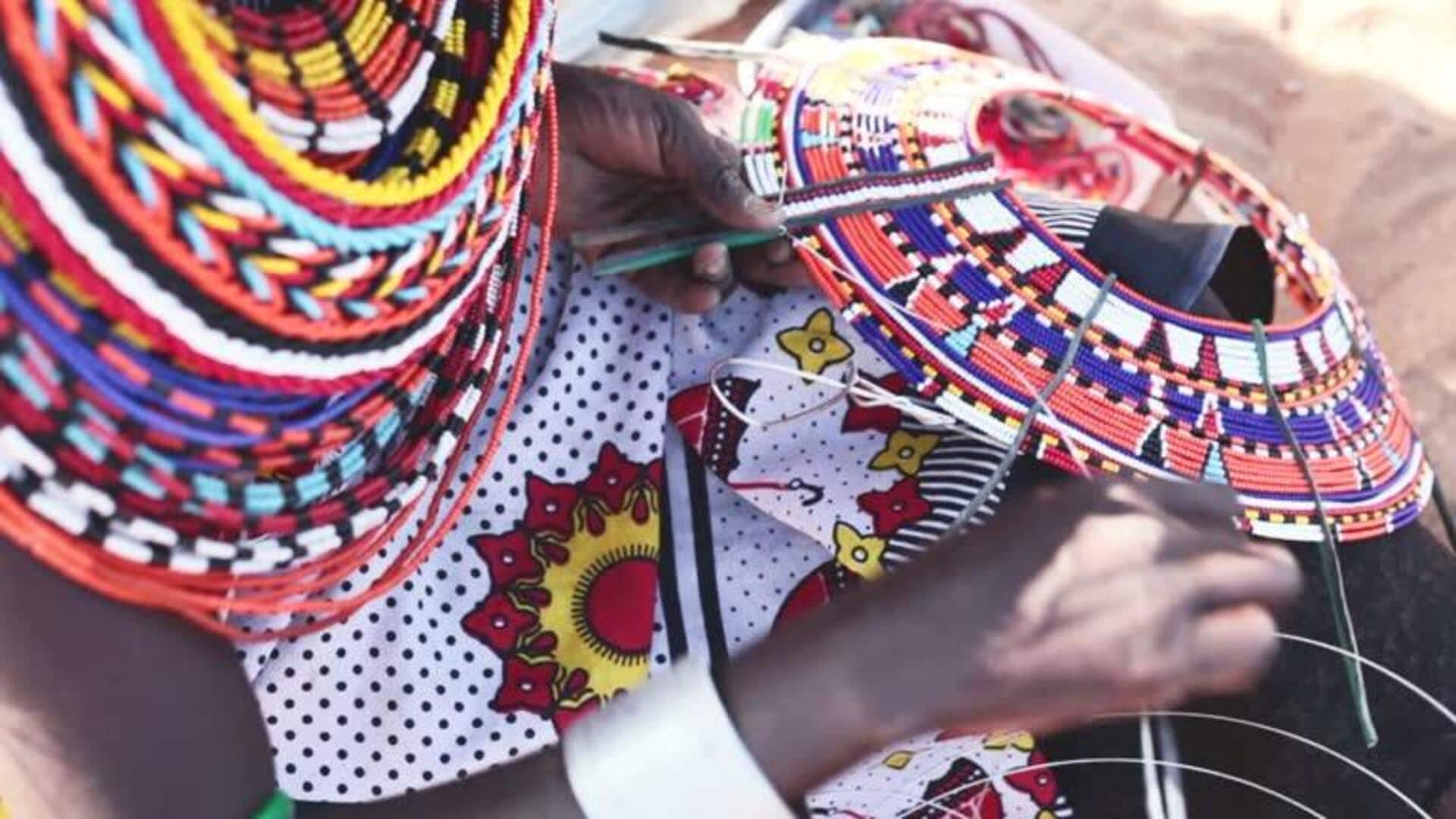
Beadwork has been an integral part of African art for centuries. Used for adornment and storytelling, beadwork varies from region to region.
In West Africa, for example, beads are used in ceremonial attire to denote status and identity.
In Southern Africa, beadwork is used in traditional crafts like necklaces and bracelets. Each piece tells a story or conveys a message about the community's culture or history.
#2
Textile art: Weaving traditions
Textile art is another important medium in African art. From weaving to dyeing, textile art is an integral part of many African cultures.
Kente cloth from Ghana is famous for its bright colors and intricate patterns, each of which has a meaning.
Indigo dyeing in Mali creates stunning textiles that are used for clothing and decoration.
These textiles are not just functional but also carry cultural significance.
#3
Pottery: Earth's canvas
Pottery has been a part of African art for thousands of years. From everyday utility to ceremonial use, pottery serves both purposes.
The terracotta sculptures of Nigeria's Nok culture are some of the earliest examples of African pottery, dating back to 1000 BCE.
Today, pottery continues to be an important medium for artists who use it to explore contemporary themes while paying homage to traditional techniques.
#4
Metalwork: Crafting history
Metalwork has been a part of African artistry for centuries, be it through the creation of tools or decorative pieces like jewelry or masks.
The Benin Kingdom's bronze plaques are a testament to the advanced metalworking skills that existed centuries ago in Africa.
Modern metalworkers continue to innovate with new techniques, while honoring age-old traditions that have shaped this medium's evolution over time.
#5
Wood carving: Nature's artistry
Wood carving is one of the most widely practiced forms across sub-Saharan Africa, where the abundance of hardwoods provides ample material for craftsmen and women alike.
They create everything from functional objects such as stools and utensils to intricate sculptures depicting ancestral figures or spiritual beings.
Each carved piece reflects the artist's connection to nature, and their community's beliefs and values.