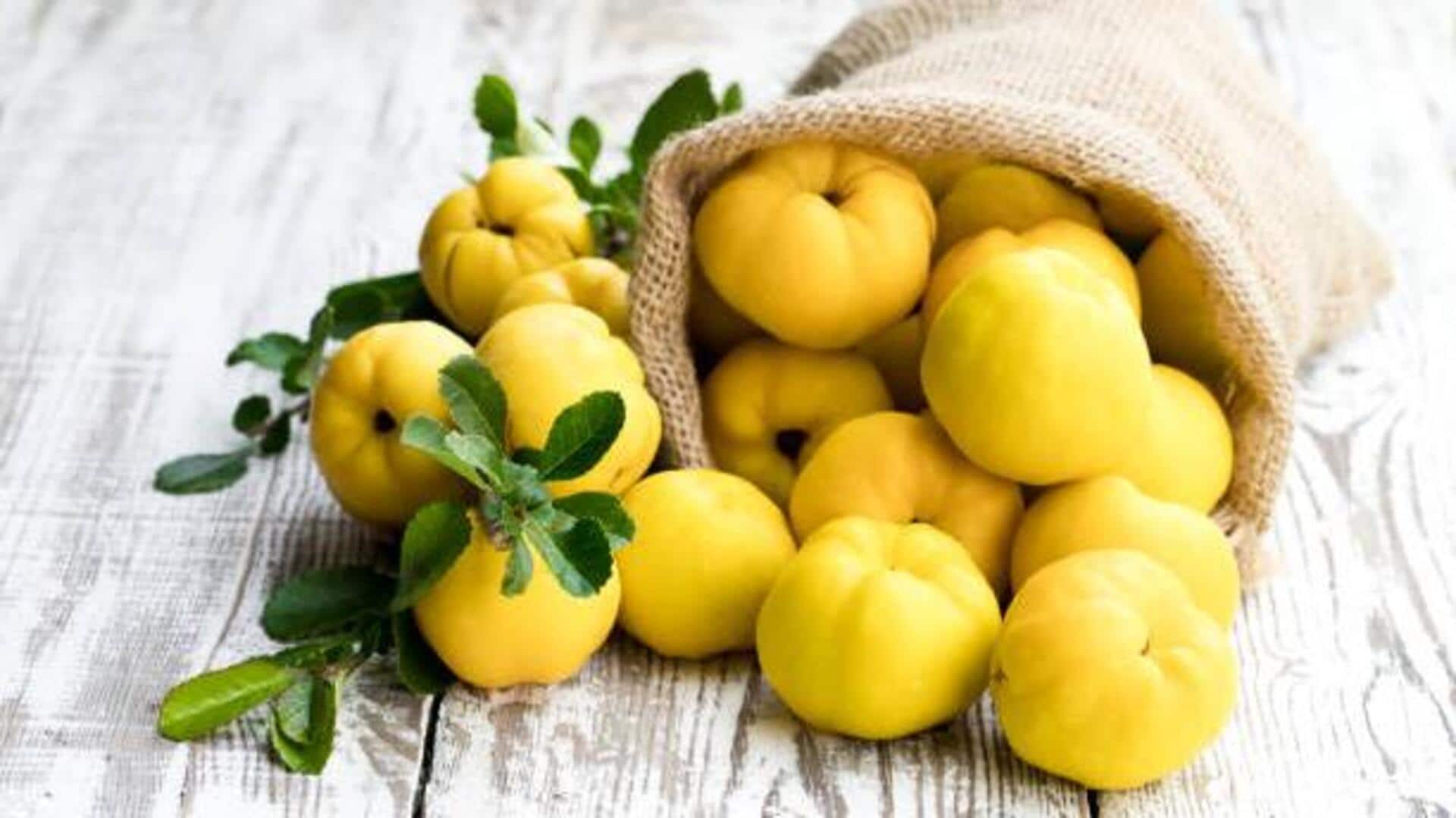
Why you should know about quince fruit
What's the story
Quince, a lesser-known fruit, is packed with a range of health benefits that can surprise many. This pear-shaped fruit is rich in nutrients and has been used in traditional medicine for centuries. Although quince is not as popular as other fruits, it offers unique advantages that are worth exploring. From aiding digestion to boosting immunity, quince can be a valuable addition to your diet.
#1
Supports digestive health
Quince is loaded with dietary fiber, which is essential for healthy digestion. It promotes regular bowel movements and prevents constipation by adding bulk to the stool. The fiber content also helps maintain a healthy gut microbiome by feeding good bacteria in the intestines. Eating quince regularly can improve digestive health and keep you from common digestive problems.
#2
Boosts immune system
Rich in vitamin C, quince also helps strengthen the immune system. This essential nutrient is important for the production of white blood cells, which fight infections and diseases. Eating quince can give you a significant boost of vitamin C, increasing your body's ability to ward off common colds and other illnesses.
#3
Enhances skin health
The antioxidants present in quince, including flavonoids and phenolic compounds, are great for your skin. They fight oxidative stress caused by free radicals, which can lead to premature aging and skin damage. Adding quince to your diet may improve skin elasticity and appearance over time.
#4
Regulates blood sugar levels
Quince has a low glycemic index, which makes it an ideal fruit for people looking to manage their blood sugar levels. Its natural compounds may help slow down the absorption of sugar into the bloodstream after meals. This can be particularly beneficial for those with diabetes, or anyone looking to maintain stable energy levels throughout the day.
#5
Promotes heart health
The high fiber content in quince also contributes to heart health by lowering cholesterol levels and improving circulation. Quince is also rich in potassium, which regulates blood pressure by balancing sodium levels in the body. Eating this fruit as part of a balanced diet could promote cardiovascular well-being over time.