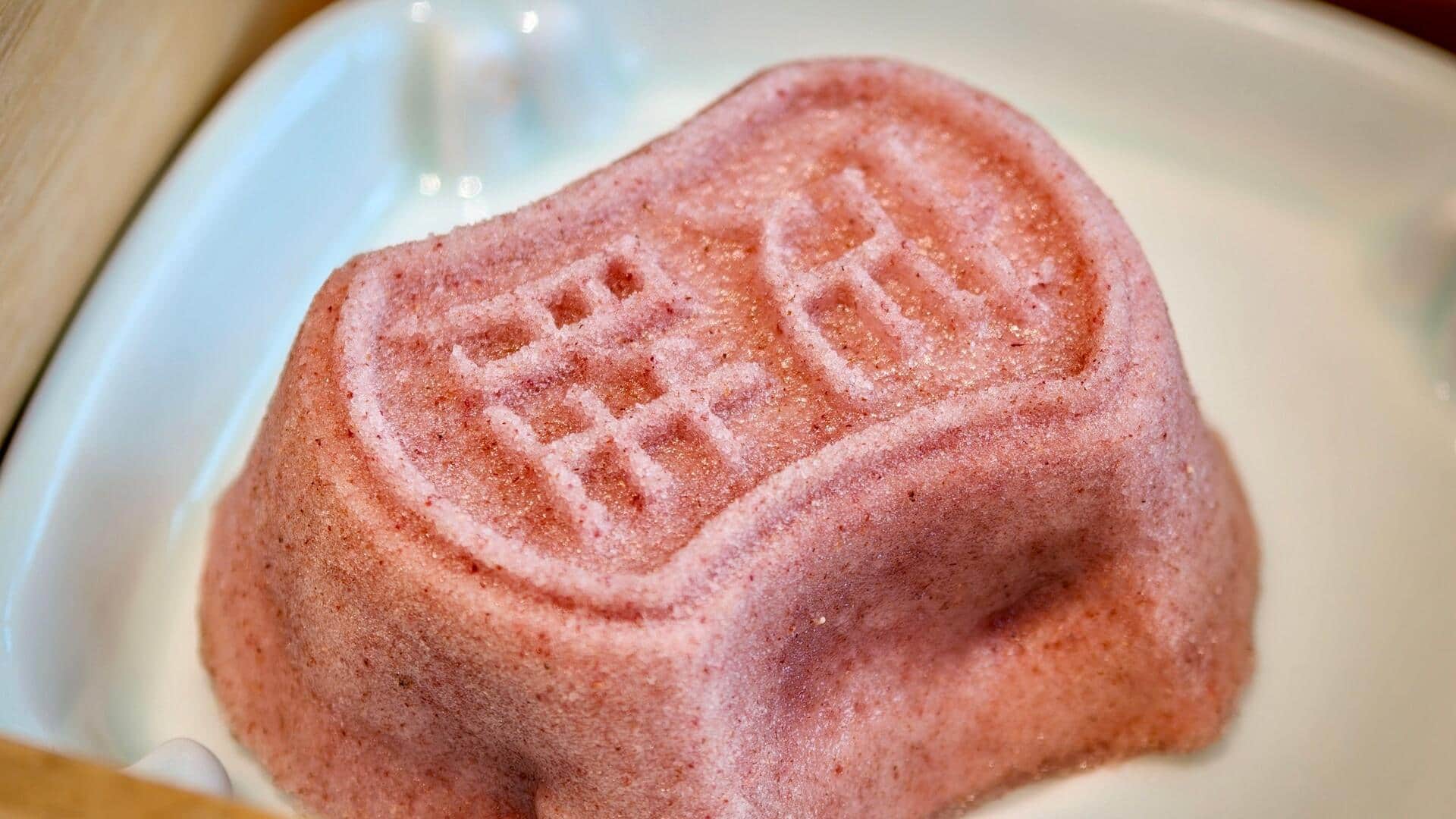
Wagashi: 5 things to know about this Japanese sweet
What's the story
Wagashi, the traditional Japanese sweets, are an integral part of the country's cultural heritage. These delicacies are not only a treat for the taste buds but also a feast for the eyes. With their intricate designs and seasonal ingredients, wagashi reflect the beauty of nature and the changing seasons in Japan. Here's what you need to know about wagashi, its history, and its significance in Japanese culture.
#1
The art of seasonal ingredients
Wagashi is prepared using seasonal ingredients, which is a big part of its charm.
In spring, cherry blossoms may be used; in summer, sweet red beans could be used.
This practice not only makes the sweets taste better but also connects them to nature's cycles.
It makes every season special with unique flavors and presentations.
#2
Intricate designs and craftsmanship
The preparation of wagashi requires a lot of skill and patience.
Each piece is crafted with meticulous attention to detail, often resembling flowers or other natural elements.
The craftsmanship involved in making these sweets is highly regarded in Japanese culture, as it reflects the dedication and artistry of the maker.
#3
Cultural significance during festivals
Wagashi plays an important role in various Japanese festivals and ceremonies.
They are commonly served during tea ceremonies or special events like Hanami (flower viewing) parties.
Their presence at such occasions highlights their cultural importance and offers guests a taste of tradition along with visual delight.
#4
Modern adaptations of traditional sweets
While traditional wagashi remains popular, modern adaptations have also emerged to cater to changing tastes and lifestyles.
Some contemporary versions incorporate new flavors or fusion styles, while still honoring traditional techniques.
This evolution allows for both preservation of heritage and innovation within this beloved culinary art form.