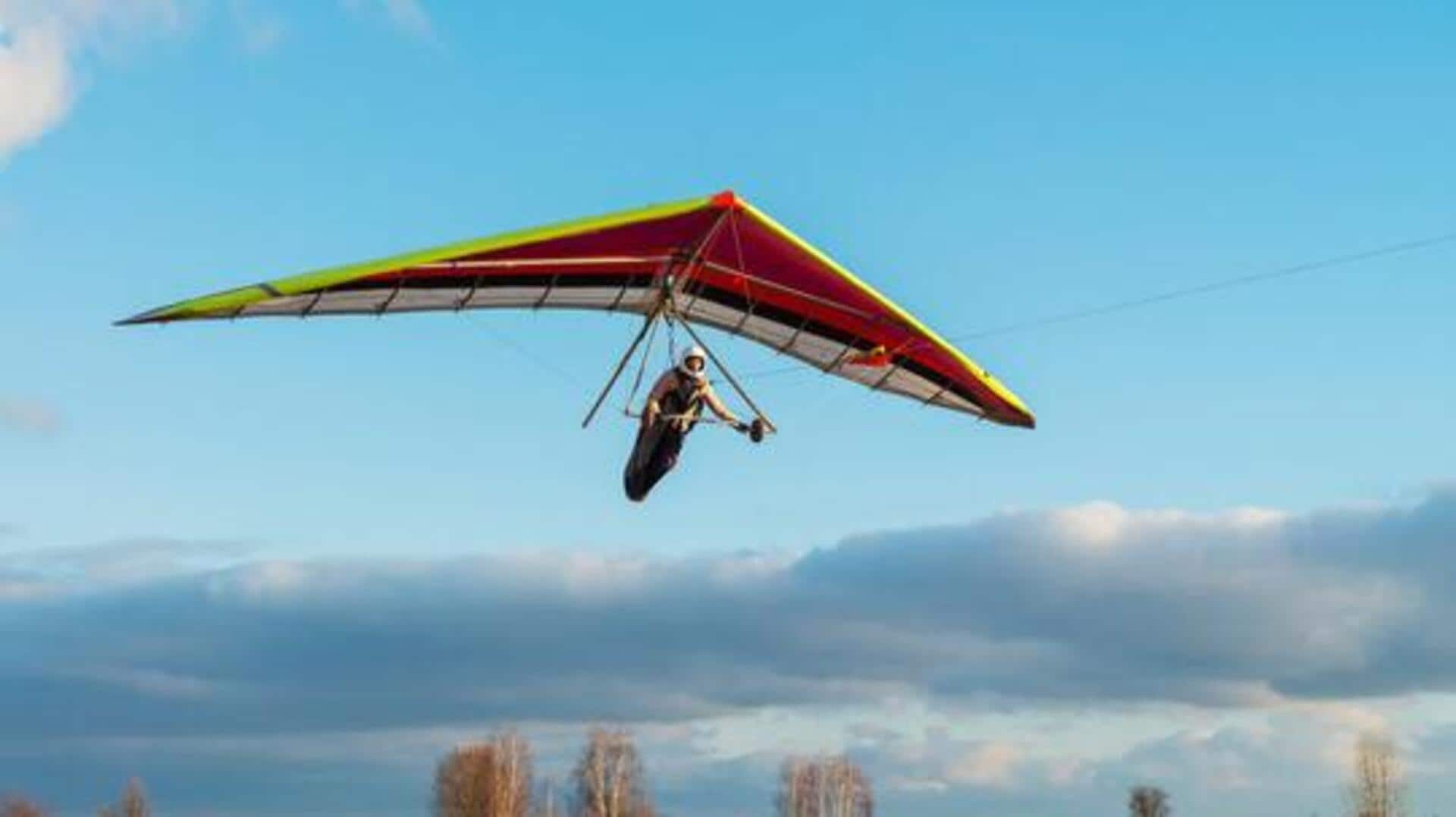
Where to try hang gliding in Namibia
What's the story
Namibia's Skeleton Coast is famous for its dramatic landscapes and untouched beauty. One of the most thrilling ways to experience this unique terrain is through hang gliding. The combination of vast deserts, rugged coastlines, and expansive skies makes it an ideal spot for both novices and experts. Here are some tips and insights to make the most of your hang gliding adventure along this iconic stretch of land.
Timing
Best time for hang gliding
The best time to go hang gliding along the Skeleton Coast is during Namibia's dry season, which lasts from May to October.
The weather is more stable during these months, with less wind and clearer skies. This makes for better flying conditions and more enjoyable experiences.
Temperatures are also milder, making it more comfortable for pilots taking off from the coastal dunes.
Equipment
Essential gear for pilots
Pilots should ensure they have all essential gear before heading out.
A sturdy helmet is a must for safety, as is a well-fitted harness that provides both comfort and security during flight.
Sunglasses can protect eyes from glare, while gloves may offer better grip on controls.
It's also advisable to wear layers due to changing weather conditions at different times of day.
Weather
Understanding local weather patterns
Understanding local weather patterns is crucial for successful hang gliding along the Skeleton Coast.
Winds can change rapidly in this region; pilots should be aware of prevailing wind directions and speeds before takeoff.
Coastal fog may also appear unexpectedly; knowing how it affects visibility will help in planning flights accordingly.
Terrain
Navigating terrain safely
The Skeleton Coast's diverse terrain demands that pilots pay attention to its features.
Sharp cliffs and rocky outcrops are common along the coastline, while vast stretches of sand dunes lie inland.
Pilots should be aware of these hazards when planning their routes to avoid potential collisions or crashes.