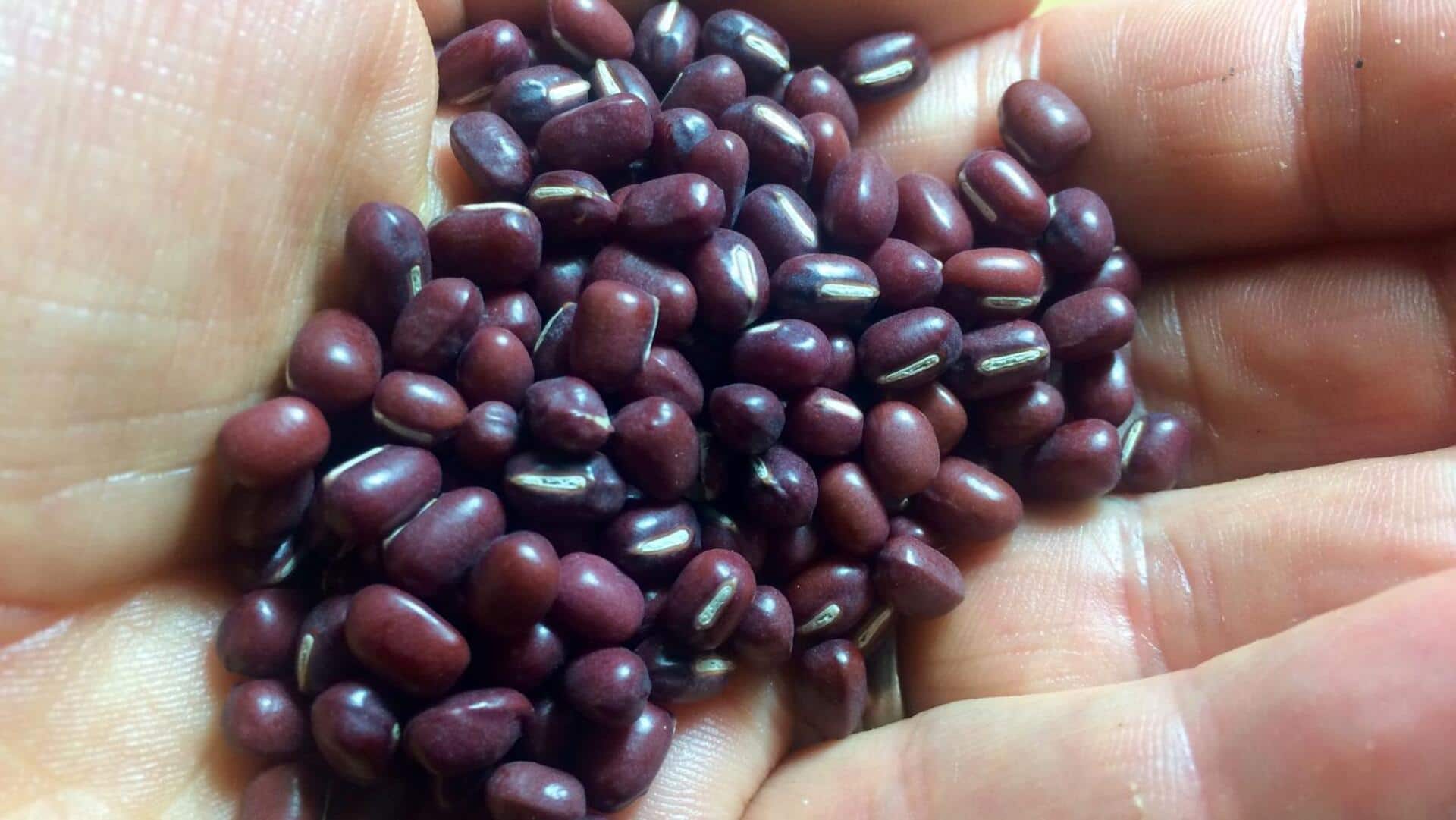
Adzuki beans v/s mung beans: Which is better for you?
What's the story
Adzuki beans and mung beans are two popular legumes known for their nutritional benefits. While both are packed with essential nutrients, they differ in their specific health benefits. Knowing the nutritional profiles of these beans can help you make informed dietary choices. Here's a look at the nutrition of adzuki beans and mung beans, and how they can contribute to a balanced diet.
#1
Protein content comparison
Both adzuki and mung beans are excellent sources of plant-based protein.
Adzuki beans offer around 7.5 grams of protein per 100 grams, while mung beans provide roughly seven grams for the same serving size.
The proteins in these beans are essential for building and repairing tissues in the body.
Including either bean in your diet can help you meet your daily protein requirements without relying on animal products.
#2
Fiber for digestive health
Fiber is an important part of a healthy diet, and both adzuki and mung beans are loaded with it.
Adzuki beans have around eight grams of fiber per 100 grams, while mung beans offer about 8.2 grams in the same serving size.
Fiber helps in digestion by promoting regular bowel movements and preventing constipation.
Eating fiber-rich foods such as these beans can promote overall digestive health.
#3
Vitamin and mineral content
Adzuki and mung beans are also rich in vitamins and minerals that are essential for health.
Adzuki beans are a great source of iron, which is important for transporting oxygen in the blood, while mung beans are rich in folate, which is important for cell division and DNA synthesis.
Both beans also provide other important nutrients like magnesium and potassium, which support various bodily functions.
#4
Antioxidant properties
Antioxidants are important for protecting the body from oxidative stress caused by free radicals.
Both adzuki and mung beans have antioxidant properties that can help reduce inflammation and lower the risk of chronic diseases.
The antioxidants found in these legumes help neutralize harmful free radicals, promoting better health over time when included as part of a balanced diet.