Beach volleyball or rock climbing: Which is better for upper-body?
What's the story
Beach volleyball and rock climbing are two popular activities that can help you build upper body strength. Both sports require different skills and offer unique challenges, making them appealing to different fitness enthusiasts. While beach volleyball focuses on agility and coordination, rock climbing emphasizes endurance and problem-solving skills. Knowing how each activity contributes to upper body strength can help you choose the right one for your fitness goals.
#1
Muscle engagement in beach volleyball
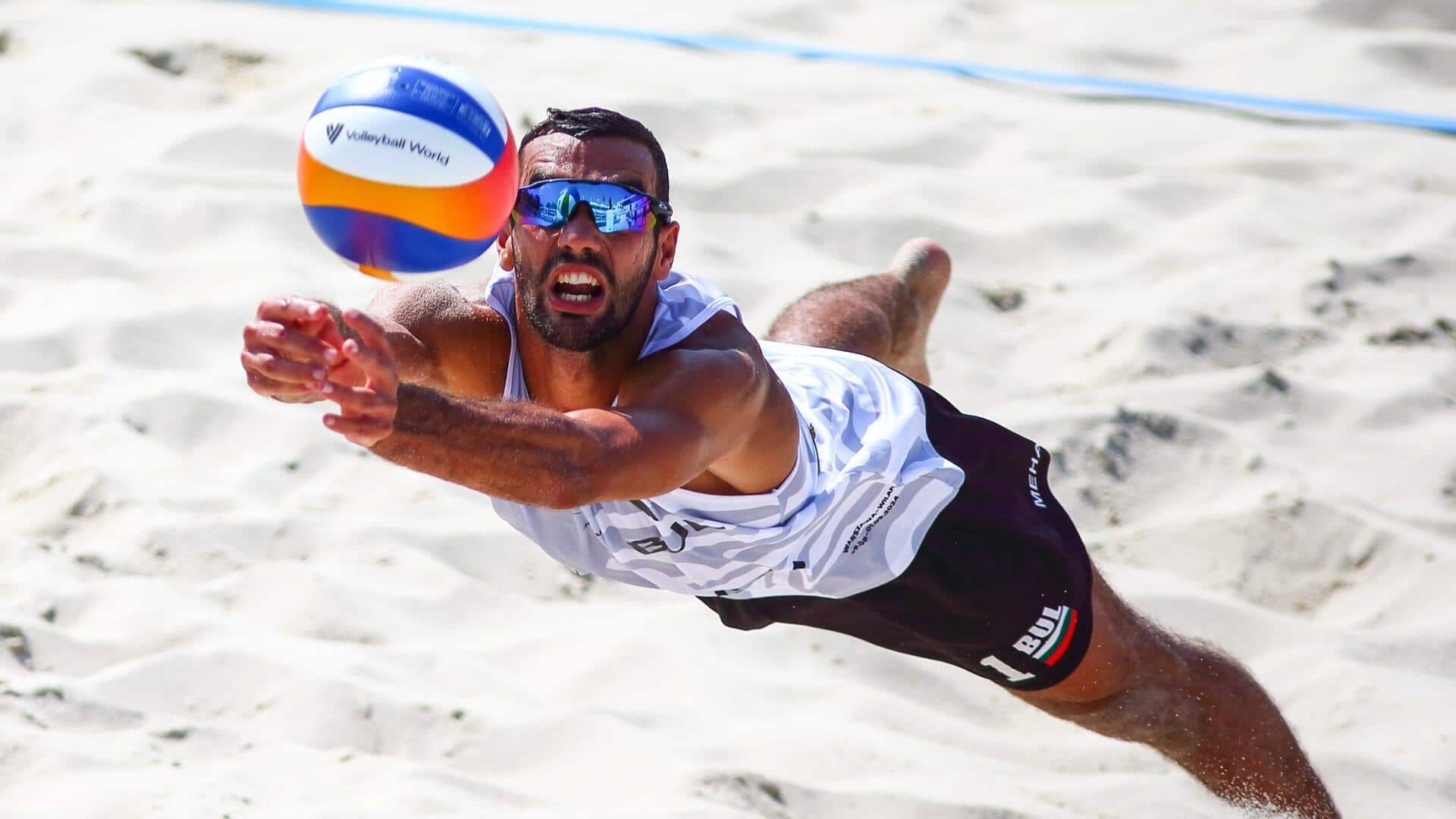
Beach volleyball is a fast-paced game that engages multiple muscle groups in the upper body.
The constant jumping, spiking, and serving work out the shoulders, arms, and chest muscles.
Players also use their back muscles for support during play.
The dynamic nature of the game ensures that these muscles are engaged continuously, improving overall muscle tone and endurance.
#2
Rock climbing's unique challenges
Rock climbing is all about using your upper body to pull yourself up and balance on different holds.
It heavily focuses on the forearms, biceps, triceps, and shoulders.
Climbers need to have a strong grip and core stability to deal with the physical challenges of climbing routes of varying difficulty levels.
This sport also improves your problem-solving skills as you plan your moves before making them.
#2
Cardiovascular benefits of beach volleyball
Apart from building muscle strength, beach volleyball also has cardiovascular benefits owing to its high-intensity nature.
The constant movement keeps the heart rate up, which improves cardiovascular health over time.
This sport also improves agility and coordination, which are essential for quick reflexes during matches.
Overall, playing beach volleyball regularly can improve your endurance levels along with upper body strength.
#3
Mental focus required in rock climbing
Rock climbing isn't just about physical strength; it needs a lot of mental focus too.
Climbers have to stay focused while figuring out the best way to climb up the wall without falling down or getting hurt.
This mental aspect makes you more aware of your body as you climb up different routes with varying levels of difficulty.