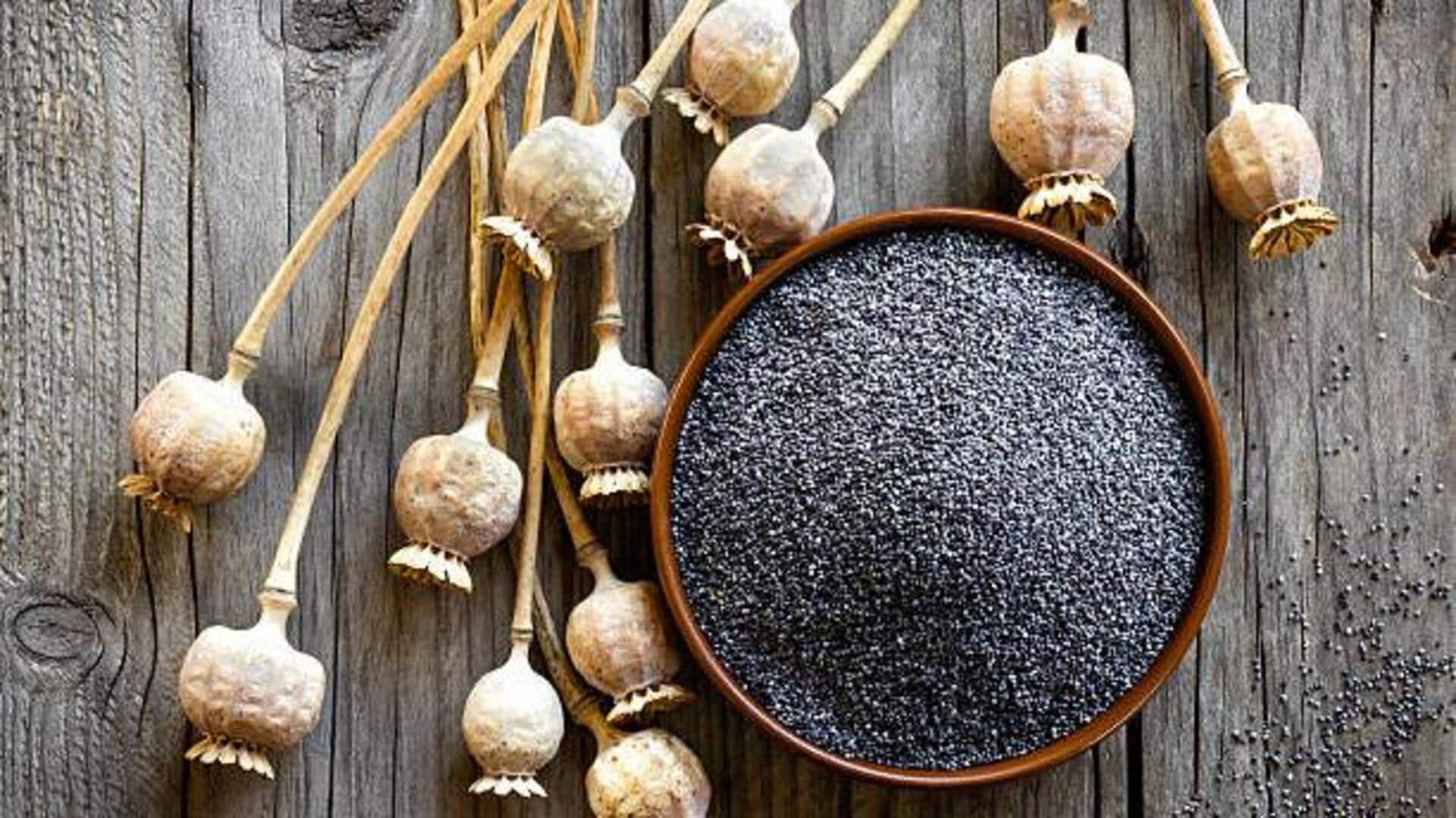
Poppy seeds: Nutrition, uses, and more
What's the story
Poppy seeds have been a staple in African cuisine for centuries, adding a unique flavor and texture to many traditional dishes. These tiny seeds are not just known for their nutty taste but also for their nutritional benefits. Used in both savory and sweet dishes, poppy seeds are an integral part of many African culinary traditions. Let's explore the various ways poppy seeds are used in African cooking.
#1
Traditional uses in African dishes
In many African countries, poppy seeds are ground into a paste and added to sauces and stews. This thickens the sauce and adds a subtle crunch.
In some regions, they are sprinkled on bread before baking, giving it a delightful texture.
The seeds can also be used to make traditional desserts, where their unique flavor complements sweet ingredients.
#2
Nutritional benefits of poppy seeds
Poppy seeds are packed with essential nutrients, such as calcium, iron, magnesium, and fiber.
These tiny powerhouses help in digestion and bone health while also providing a good dose of energy.
The healthy fats in poppy seeds also help in keeping your heart healthy by lowering bad cholesterol levels.
#3
Cultivation practices across Africa
Poppy seed cultivation varies across Africa depending on climate and soil conditions.
In some areas, farmers grow poppy plants as cash crops due to their high market value.
Sustainable farming practices are encouraged to keep the ecosystem intact while meeting the demand for this versatile ingredient.
#4
Modern adaptations in contemporary cuisine
As global cuisine continues to evolve, chefs are finding innovative ways to incorporate poppy seeds into modern recipes.
From salads sprinkled with these tiny gems to desserts infused with their flavor, poppy seeds offer endless possibilities for creative culinary exploration.
Their versatility makes them an appealing choice for those looking to experiment with new flavors while honoring traditional African cooking methods.