Exploring the evolution of African basketry
What's the story
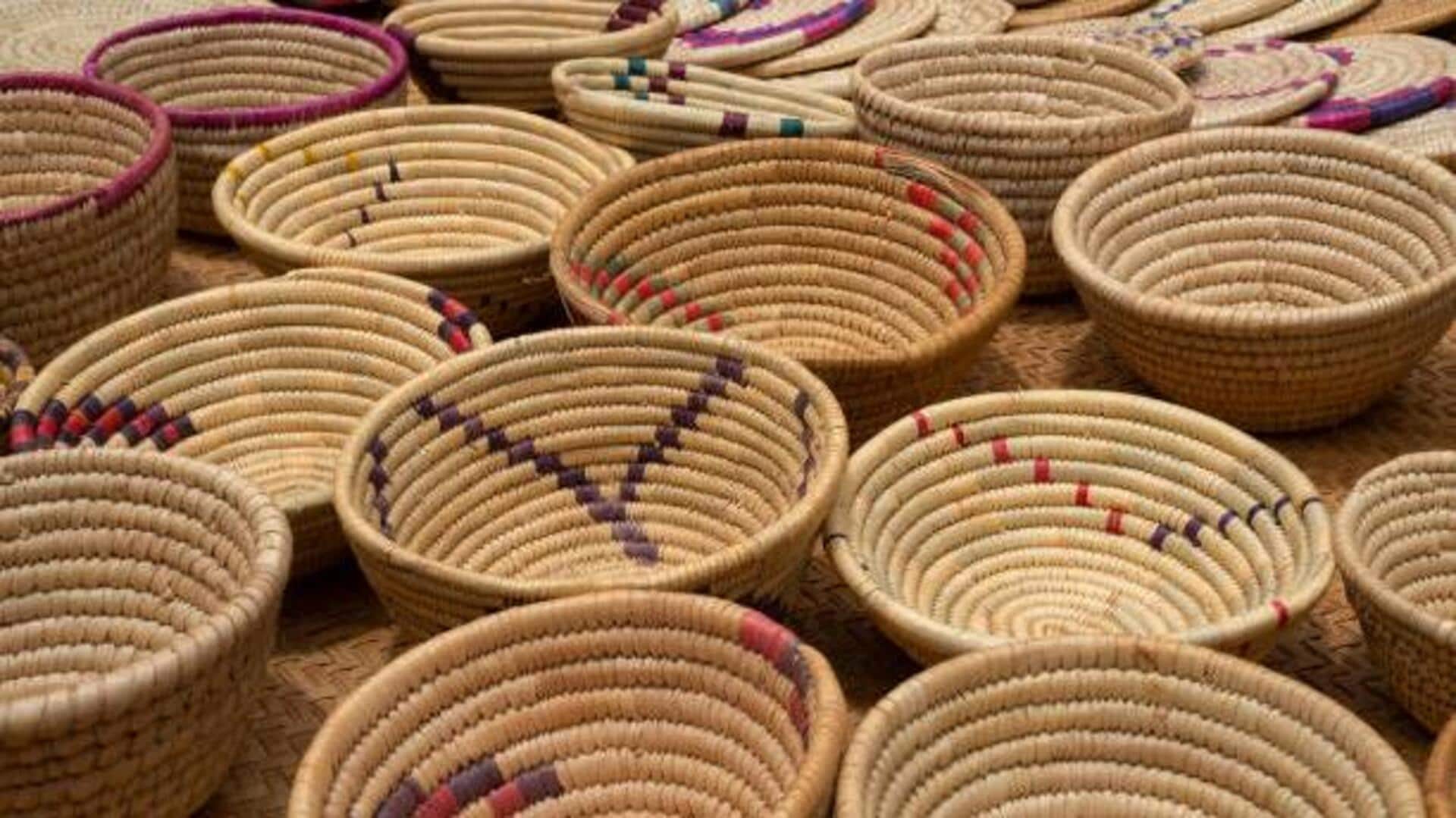
African basketry is a centuries-old craft that marries tradition with innovation. The art of weaving baskets from natural materials has been passed down generations, but now artisans are adding modern twists to these age-old techniques. This fusion not only preserves cultural heritage but also opens new avenues for creativity and economic growth. Here are some insights into how African basketry is evolving while staying true to its roots.
Eco-friendly choices
Sustainable materials in basketry
African artisans are increasingly using sustainable materials for basket weaving. This includes grasses, reeds, and palm leaves that are locally sourced and renewable.
By focusing on eco-friendly options, they not only reduce environmental impact but also promote sustainable practices within their communities.
The use of natural dyes further enhances the appeal of these baskets while ensuring minimal harm to the ecosystem.
Creative evolution
Innovative designs and patterns
The incorporation of modern design elements has given new life to traditional African basketry.
Artisans are experimenting with geometric patterns, vibrant colors, and unique shapes that cater to contemporary tastes.
This creative evolution allows them to reach wider markets while preserving the essence of their craft.
The result is a dynamic fusion that appeals to both traditionalists and modern consumers alike.
Community growth
Economic impact on communities
The resurgence of African basketry has had a positive economic impact on local communities.
By selling their products at local markets and online platforms, artisans are able to earn a sustainable income.
This financial stability supports community development initiatives, such as education and healthcare improvements.
The global demand for authentic African baskets also contributes significantly to economic growth in these regions.
Educational initiatives
Preserving cultural heritage through education
Educational programs aimed at teaching young people about traditional weaving techniques are crucial for preserving cultural heritage.
Workshops and mentorship schemes encourage the next generation to learn these skills, ensuring that the art form continues to thrive in the future.
By fostering an appreciation for this craft, communities can maintain their cultural identity while adapting to changing market demands.