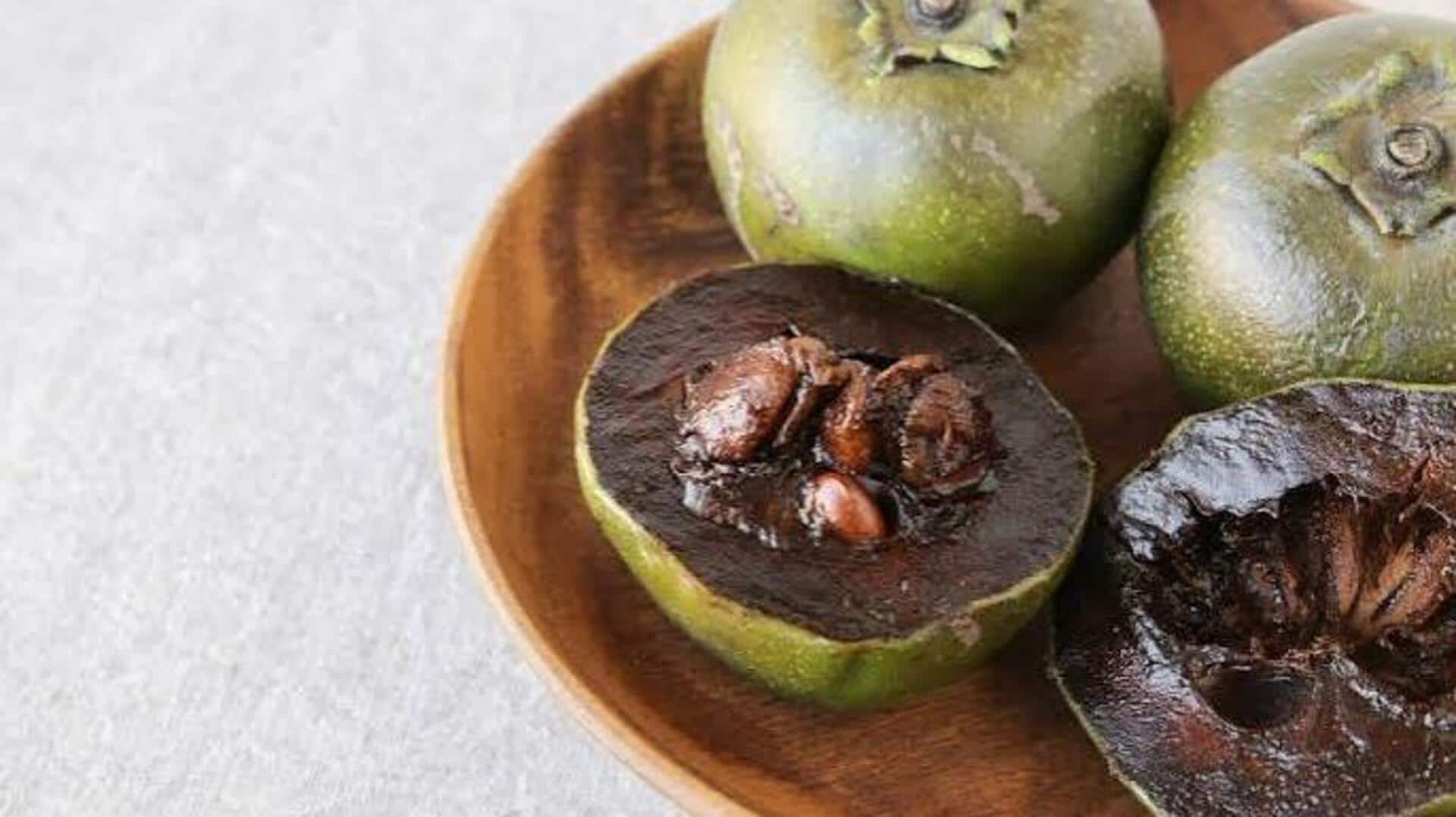
Black sapote: The fruit with an irresistible pudding-like texture
What's the story
African black sapote, also known as the "chocolate pudding fruit," is a tropical delicacy gaining attention for its unique taste and nutritional benefits. Native to West Africa, this fruit has a creamy texture and a sweet flavor similar to chocolate pudding. It is not just delicious, but also packed with nutrients that can contribute to your overall health. Here's all about this fascinating fruit.
#1
Nutritional profile of African black sapote
African black sapote is loaded with essential nutrients, such as vitamin C, vitamin A, and potassium.
These nutrients help boost the immune system, improve vision, and regulate blood pressure.
The fruit is also rich in dietary fiber, which aids digestion and keeps you full.
Its low-calorie count makes it an excellent choice for those looking to maintain a healthy diet without compromising on taste.
#2
Culinary uses of the fruit
The creamy texture of African black sapote makes it perfect for a range of culinary applications.
It can be eaten fresh or used in desserts such as smoothies, puddings, and ice creams.
Its natural sweetness means you can use it as a healthier alternative to refined sugars in recipes.
You can also blend it with other fruits for an added flavor and nutritional boost.
#3
Potential health benefits
Eating African black sapote may provide several health benefits owing to its rich nutrient content.
The high vitamin C content helps strengthen the immune system, while potassium supports heart health by regulating blood pressure levels.
The dietary fiber present in the fruit promotes healthy digestion by preventing constipation and other digestive issues.
Tip 1
Tips for selecting and storing
When selecting an African black sapote at the store or market, look for ones that are slightly soft to touch, but not overly ripe or mushy. This indicates they are at peak ripeness for consumption.
To store them properly at home, keep unripe ones at room temperature until they soften further before refrigerating them, if needed, to prolong freshness.