African block printing: What makes it so unique
What's the story
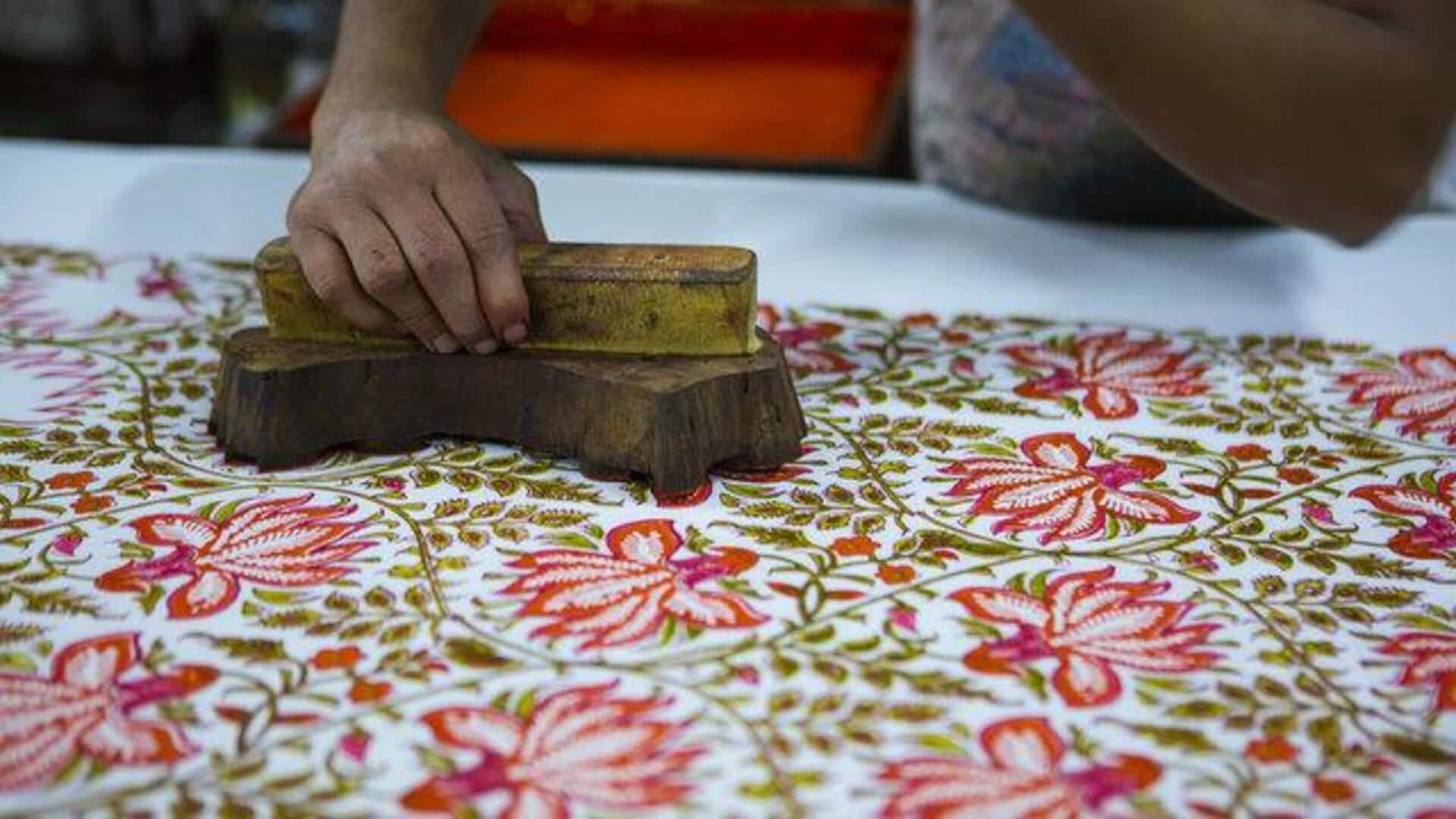
African block printing is an ancient art passed down generations. The technique, involving carving designs onto wooden blocks and stamping them onto fabric, is a hallmark of African culture. Not only is it an artistic expression, but it is also a way of preserving history and storytelling. The vibrant patterns and colors used in this craft reflect the diverse cultures across the continent.
#1
Origins of block printing
The origins of African block printing can be traced back to centuries ago when it was first used as a means to decorate clothing and other textiles. The technique was developed and refined over time, becoming an integral part of cultural identity in many African communities. Each region has its own unique style, which reflects local traditions and beliefs.
#2
Techniques involved in block printing
Block printing involves several steps, from designing patterns to carving them onto wooden blocks. Artisans carefully carve intricate designs onto the blocks, ensuring that every detail is captured. Once carved, these blocks are dipped in dye and pressed onto fabric to create the desired pattern. The process requires skill and precision, as each print must align perfectly with previous impressions.
#3
Cultural significance of patterns
The patterns used in African block printing are often rich in symbolism and meaning. Many designs tell stories or represent important aspects of life, such as fertility or protection from evil spirits. These motifs serve as visual narratives that connect present generations with their ancestors' traditions.
#4
Modern adaptations of block printing
In recent years, there has been a resurgence in interest in African block printing as designers incorporate traditional techniques into modern fashion collections. This fusion allows for the preservation of cultural heritage while appealing to contemporary audiences who appreciate unique textile art forms.