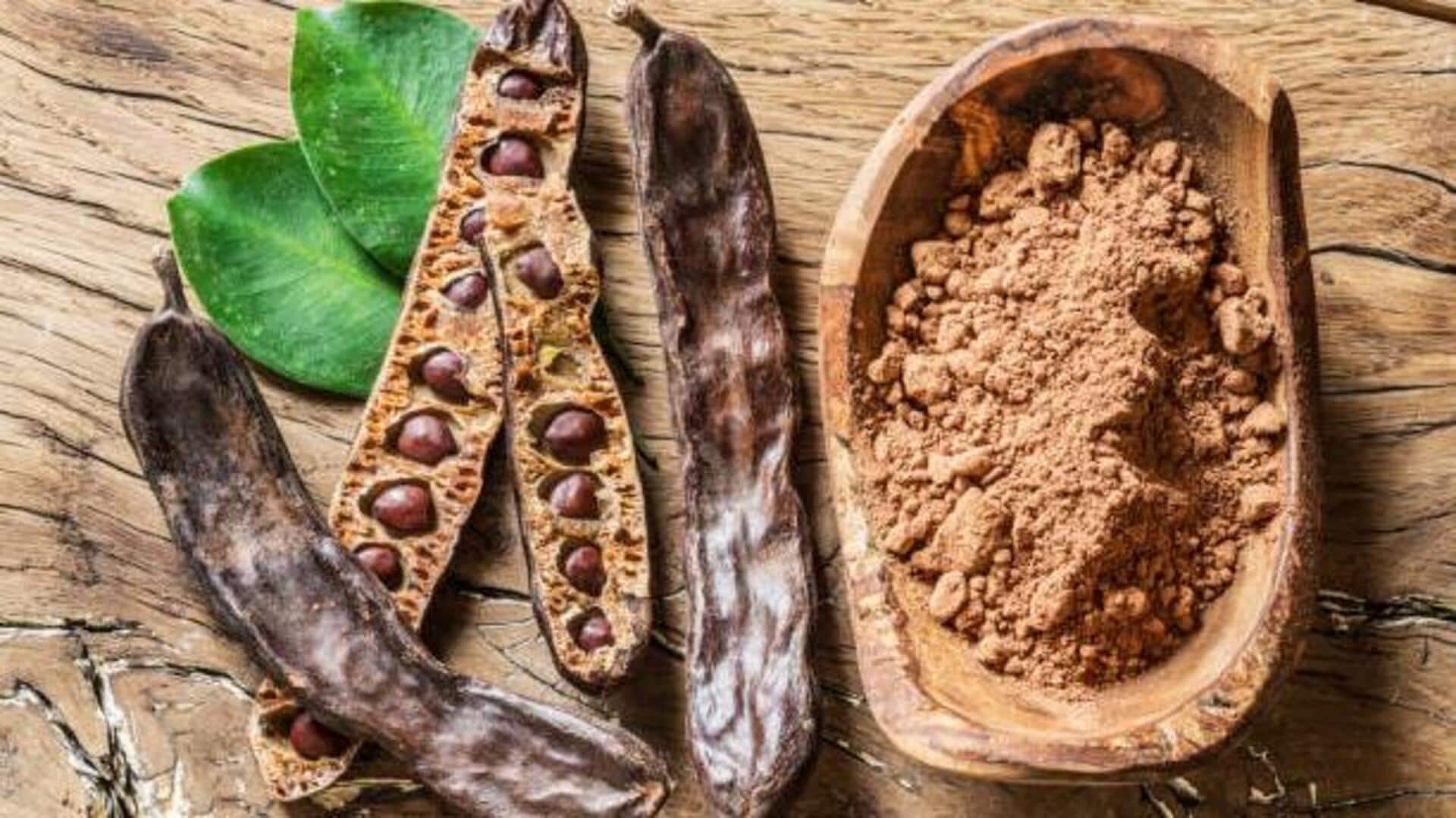
What is carob?
What's the story
African carob, a lesser-known legume, is making waves in the culinary world for its versatility and nutritional benefits. The pod of the carob tree, native to Africa, is packed with natural sweetness and a range of nutrients. From traditional dishes to modern recipes, African carob is being used in various ways to add flavor, nutrition, and uniqueness. Here's how this unique ingredient is being used in different cuisines.
#1
Nutritional benefits of African carob
African carob is loaded with fiber, vitamins, and minerals. It has high levels of calcium and potassium, which are essential for good health.
The high fiber content promotes digestion and helps maintain healthy cholesterol levels.
Further, it is low in fat and contains no caffeine or gluten, making it a healthy option for a variety of diets.
#2
Traditional uses in African cuisine
In many African communities, carob has been used for centuries as a staple food source.
It is often ground into flour to make bread or porridge.
The natural sweetness of the pods makes them an ideal ingredient for desserts or sweet sauces.
These traditional uses highlight the adaptability of carob across different culinary applications.
#3
Modern culinary innovations with carob
Chefs around the world are experimenting with African carob to create innovative dishes that highlight its unique flavor profile.
From smoothies to baked goods, carob can be used as a substitute for chocolate or sugar in many recipes.
Its versatility allows it to be incorporated into both savory and sweet dishes, appealing to diverse palates.
#4
Economic impact on local communities
The cultivation and sale of African carob also provide economic opportunities for local communities in Africa.
By promoting sustainable farming practices, these communities can benefit from the global demand for this versatile ingredient.
Supporting local producers not only helps preserve traditional agricultural methods but also contributes positively to local economies.