
Why you should start eating alfalfa
What's the story
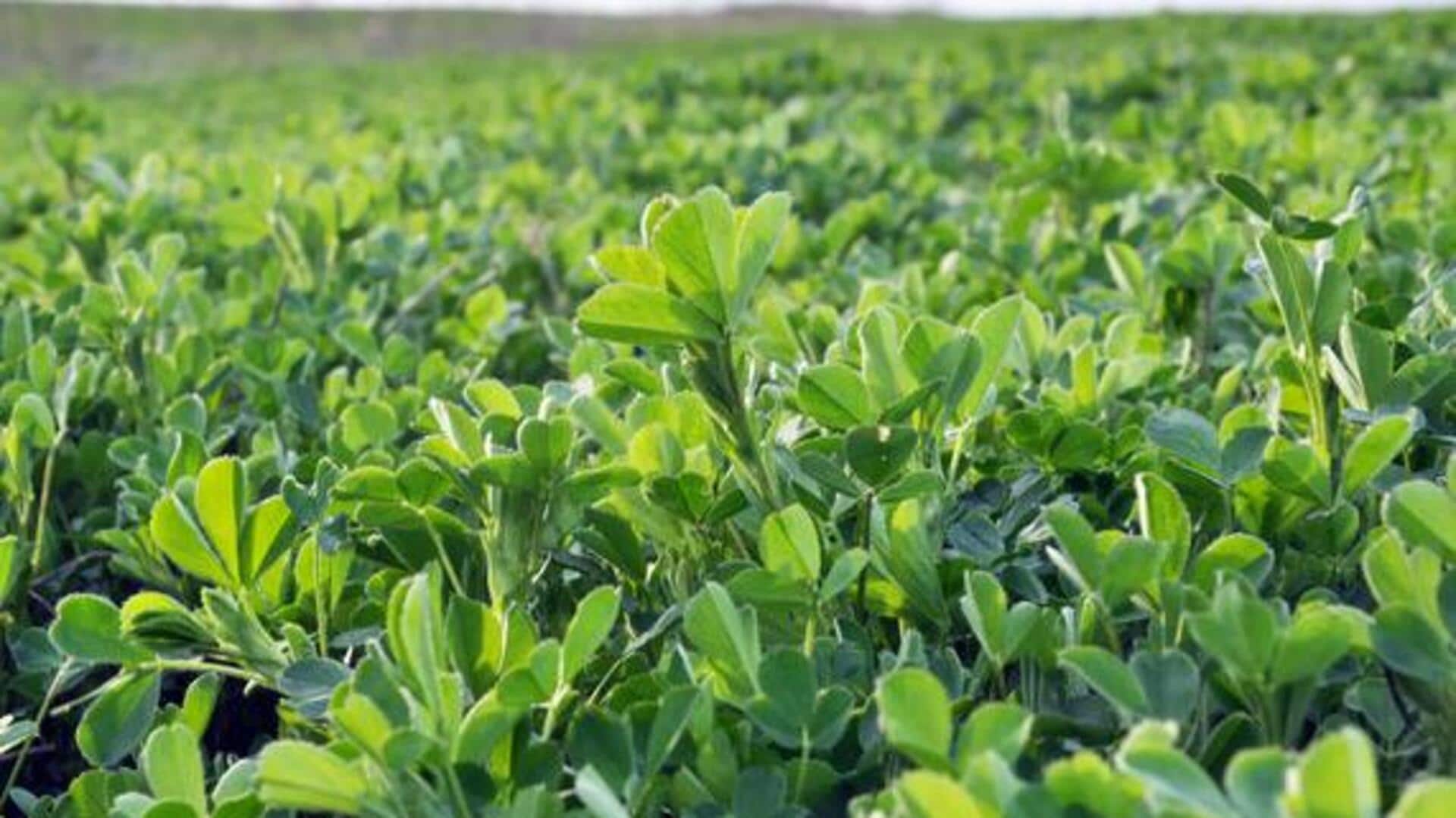
African lucerne, or alfalfa, is a nutrient-rich green that has been used in traditional African diets for centuries. Known for its high vitamin content, this leafy plant is gaining attention as a potential superfood. Packed with essential nutrients, African lucerne can be a valuable addition to modern diets. Here's a look at the nutritional benefits and culinary uses of this versatile green.
#1
Nutritional powerhouse
African lucerne is loaded with vitamins A, C, E, and K. It also has minerals like calcium, magnesium, and potassium. These nutrients are essential for maintaining good health by boosting the immune system and strengthening bones. The high fiber content also helps with digestion and keeps cholesterol levels in check.
#2
Culinary uses
Incorporating African lucerne into your meals is easy. It can be eaten raw in salads or smoothies or cooked like spinach in stews or soups. Its mild flavor makes it blend well with other ingredients without overpowering them. This versatility makes it an excellent choice for those looking to add more greens to their diet.
#3
Health benefits
The consumption of African lucerne may offer several health benefits owing to its rich nutrient profile. It may help reduce inflammation owing to its antioxidant properties and support heart health by lowering blood pressure levels. Additionally, it may aid weight management owing to its low-calorie content and high satiety value.
Tip 1
Tips for growing at home
Growing African lucerne at home can be rewarding and cost-effective. It requires well-drained soil with plenty of sunlight for optimal growth. Regular watering is important, but avoid waterlogging as it can damage roots. Harvesting should be done before flowering for best taste and nutritional value.