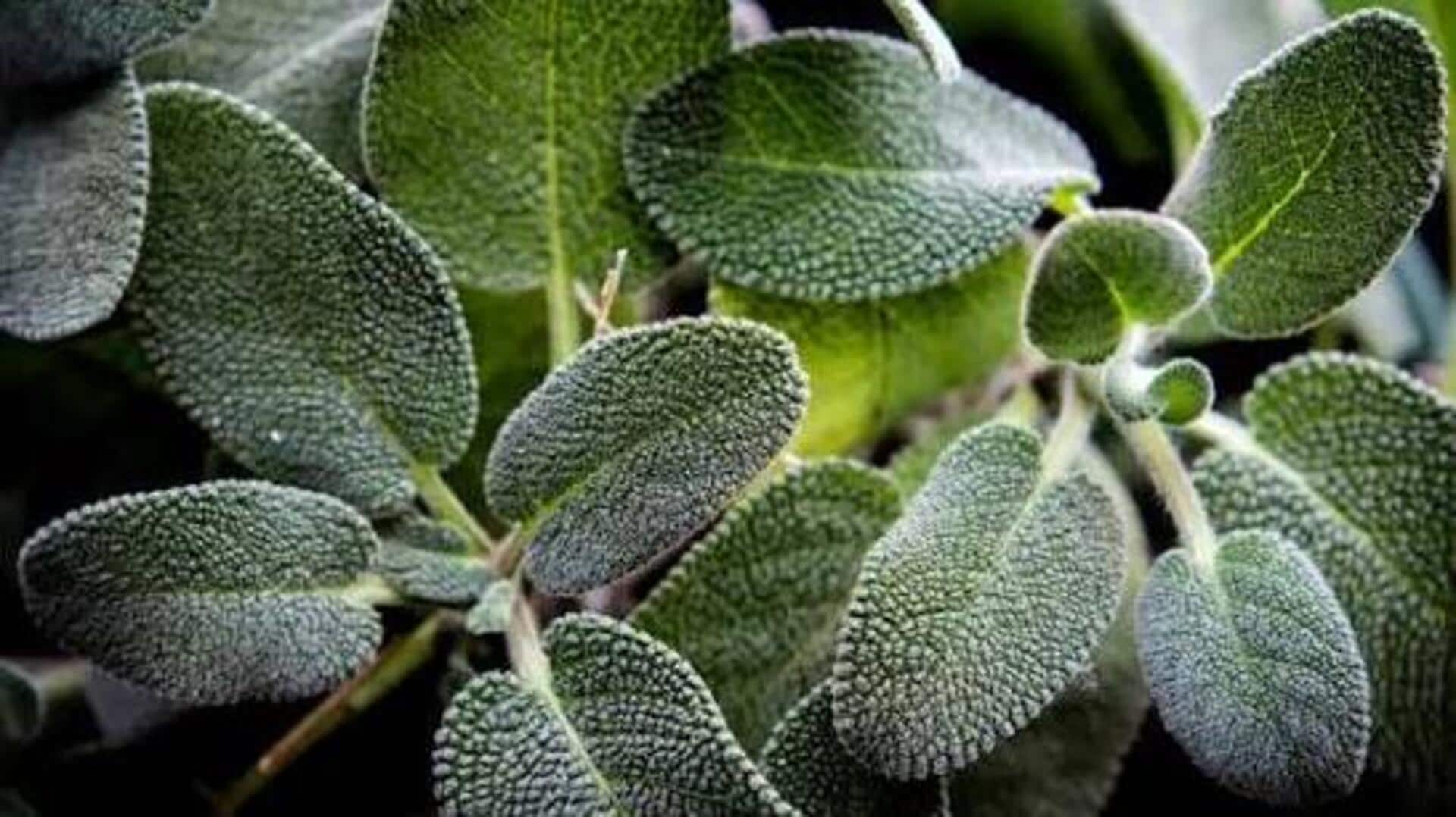
How sage can help support respiratory health
What's the story
African sage, a plant native to Africa, is making waves for its potential benefits for lung health. Traditionally used in African medicine, the herb is now being studied for its role in improving respiratory function. With its unique properties, African sage could be a natural way to support lung health. Here's a look at the potential benefits of this fascinating herb.
#1
Antioxidant properties of African sage
African sage is loaded with antioxidants, which are essential for fighting oxidative stress in the body.
Oxidative stress can damage cells and tissues, including those in the lungs.
By neutralizing free radicals, the antioxidants in African sage can help protect lung tissue and maintain healthy respiratory function.
This property makes it an interesting candidate for supporting overall lung health.
#2
Anti-inflammatory effects on respiratory system
Inflammation is a common issue that affects the respiratory system and can lead to a host of problems.
African sage has been found to have anti-inflammatory properties that may help reduce inflammation in the airways and lungs.
By reducing inflammation, this herb could help relieve symptoms of various respiratory conditions and promote better breathing.
#3
Potential role in enhancing lung capacity
Some studies suggest that African sage may also improve lung capacity by enhancing airflow and reducing resistance in the airways.
This could be particularly beneficial for people with conditions such as asthma or chronic obstructive pulmonary disease (COPD), where airflow is often restricted.
Improved lung capacity could lead to better oxygen uptake and overall respiratory function.
#4
Traditional uses and modern research insights
Traditionally, African sage has been used to treat respiratory ailments like coughs and colds.
Modern research is now validating these traditional uses by exploring its active compounds' effects on lung health.
Studies are ongoing to fully understand how these compounds work at a molecular level, but preliminary findings are promising for its use as a natural remedy for supporting lung function.