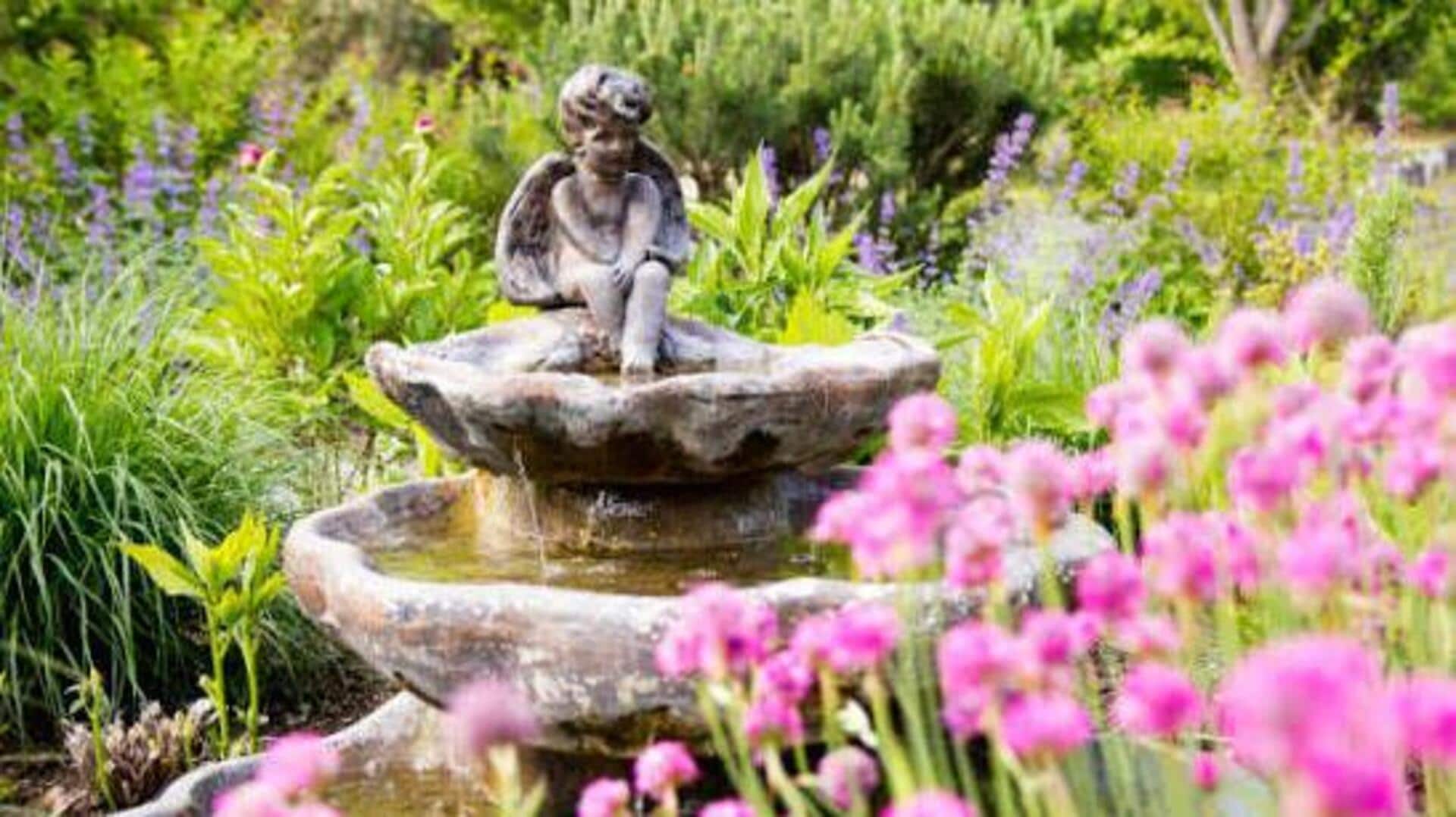
How to decorate your garden with sculptures
What's the story
African sculptures have a unique way of adding cultural depth and artistic beauty to garden art installations. These sculptures, often inspired by traditional African art, can turn any garden into a vibrant, thoughtful space. They not only beautify the place but also tell stories and represent the rich heritage of Africa. Using these sculptures in gardens can create a harmonious blend of nature and culture.
Tip 1
Choosing the right materials
When selecting African sculptures for garden installations, consider the materials used.
Commonly, wood, stone, and metal are used in African art. Each material has its own aesthetic appeal and durability.
Wood gives a natural look but may require more maintenance than stone or metal.
Stone is durable and weather-resistant, but can be heavy.
Metal offers modern appeal, but may rust if not treated properly.
Tip 2
Understanding cultural significance
African sculptures are steeped in cultural significance, often representing symbols or stories from various communities.
Before choosing a sculpture for your garden, it is important to understand its cultural context.
This not only adds depth to the installation but also pays homage to the traditions it represents.
Researching the meaning behind each piece can help you select sculptures that resonate with both personal taste and cultural appreciation.
Tip 3
Integrating sculptures with landscape design
Integrating African sculptures into landscape design requires careful planning.
Consider how the sculpture's size, shape, and color will complement existing plants and structures in your garden.
Larger pieces can serve as focal points, while smaller ones might be used as accents along pathways or among foliage.
The placement should enhance both the sculpture's visibility and its harmony with surrounding elements.
Tip 4
Maintenance tips for longevity
To keep African sculptures in gardens looking their best, regular maintenance is essential.
Wooden sculptures may need oiling to prevent cracking or fading from sun exposure;
stone pieces may require cleaning with gentle soap solutions;
metal works should be inspected for rusting regularly, and treated with protective coatings if necessary.