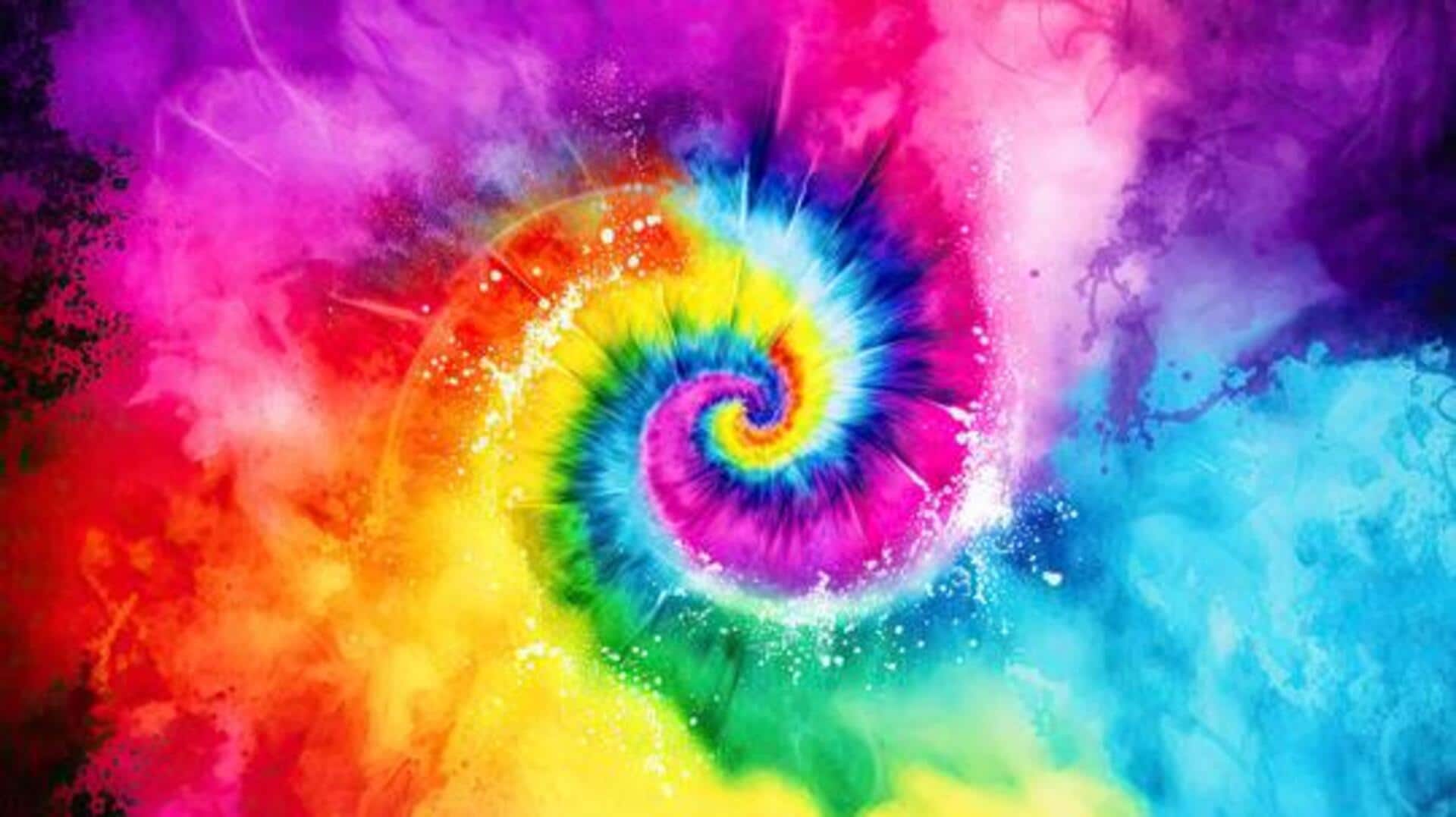
How tie-dye art is inspiring modern decor trends
What's the story
African tie-dye art, with its vibrant colors and intricate patterns, has found a unique place in modern abstract wall decor. This fusion of traditional craftsmanship with contemporary design has given rise to a new aesthetic appeal. The bold designs and rich cultural heritage of African tie-dye are now being embraced by interior designers and art enthusiasts alike. Here's how this art form is influencing modern decor trends.
#1
The history behind tie-dye techniques
African tie-dye techniques have been used for centuries, passed down through generations.
The process involves folding, twisting, or crumpling fabric before applying dye. This results in unique patterns that are impossible to replicate.
Each piece tells a story, reflecting the culture and traditions of the region it comes from.
The history adds depth to the decor, making it more than just a visual element.
#2
Incorporating tie-dye in modern decor
Incorporating African tie-dye into modern decor can be done in several ways.
One popular method is using tie-dye fabrics as wall hangings or tapestries. These can serve as focal points in a room or complement existing decor elements.
Additionally, smaller items like cushions or throws made from tie-dye fabric can add subtle touches of this art form to any space.
#3
The impact on interior design trends
The influence of African tie-dye art on interior design trends is evident in its growing popularity among designers and homeowners alike.
Its bold colors and patterns bring energy and vibrancy into spaces, while also offering versatility in styling options.
As more people seek unique ways to express their personal style through home decor, the demand for pieces inspired by this traditional art form continues to rise.
Tip 1
Supporting artisans through fair trade practices
Supporting artisans who create African tie-dye products through fair trade practices ensures that they receive fair compensation for their work.
This not only helps preserve traditional techniques but also empowers communities economically.
By choosing ethically sourced items for home decor, consumers contribute positively towards sustainable development efforts while enjoying beautiful pieces that celebrate cultural heritage.