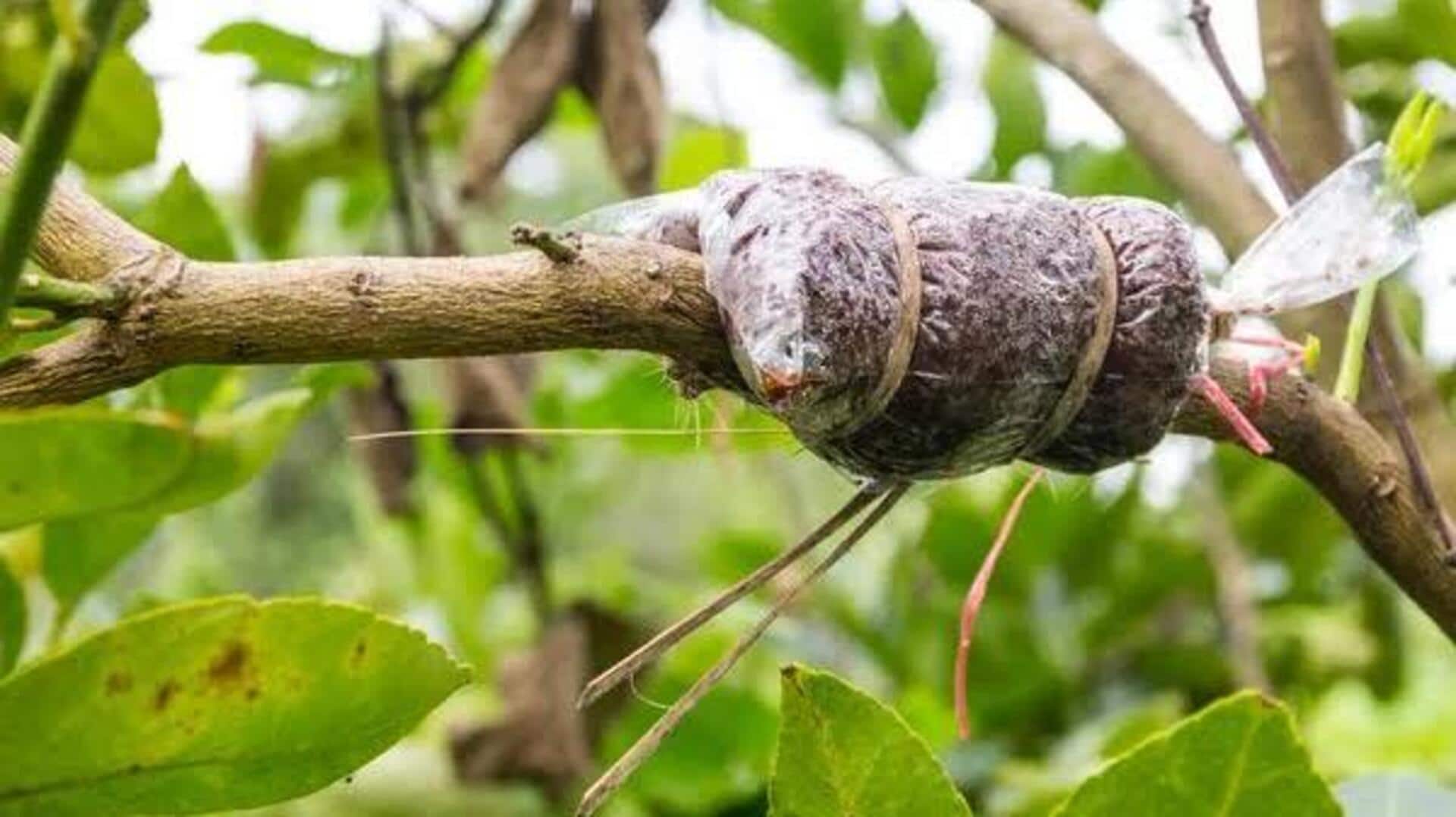
What is air layering in gardening?
What's the story
Air layering is a popular technique for propagating woody plants, giving gardeners a reliable way to produce new plants from existing ones. This method involves inducing root growth on a branch or stem while it is still attached to the parent plant. By carefully managing environmental conditions, air layering can result in successful root development and plant propagation. Here are some insights into air layering woody plants.
Tip 1
Choosing the right branch
Selecting the right branch is critical for successful air layering.
Choose a healthy, mature branch that is free from disease and damage.
The ideal branch should be at least one year old, but not too woody or thick.
A well-positioned branch can ensure better light exposure and nutrient flow, increasing the chances of successful rooting.
Tip 2
Preparing the layer site
Proper preparation of the layer site is key to stimulating root growth.
Start by removing a ring of bark about one inch wide from around the branch at the desired height.
Make sure you cut deep enough to remove all the cambium layer without damaging underlying tissues.
This wound will encourage roots to form at this specific location.
Tip 3
Using appropriate materials
Using the right materials for air layering can make a world of difference in the success rate.
Use sphagnum moss as it retains moisture well and provides an ideal environment for root formation.
Wrap it around the exposed area of the branch, then cover it with plastic wrap or aluminum foil to retain moisture, and protect it from external elements.
Tip 4
Monitoring moisture levels
Keeping moisture levels in check is key to successful air layering.
Make sure that the sphagnum moss stays moist but not soggy, as overwatering can cause rot.
Check regularly by gently pressing on the plastic wrap or aluminum foil covering the moss until you see roots forming inside, usually after six weeks to three months, depending on species and conditions.