Is air pollution linked to increased suicide risk?
What's the story
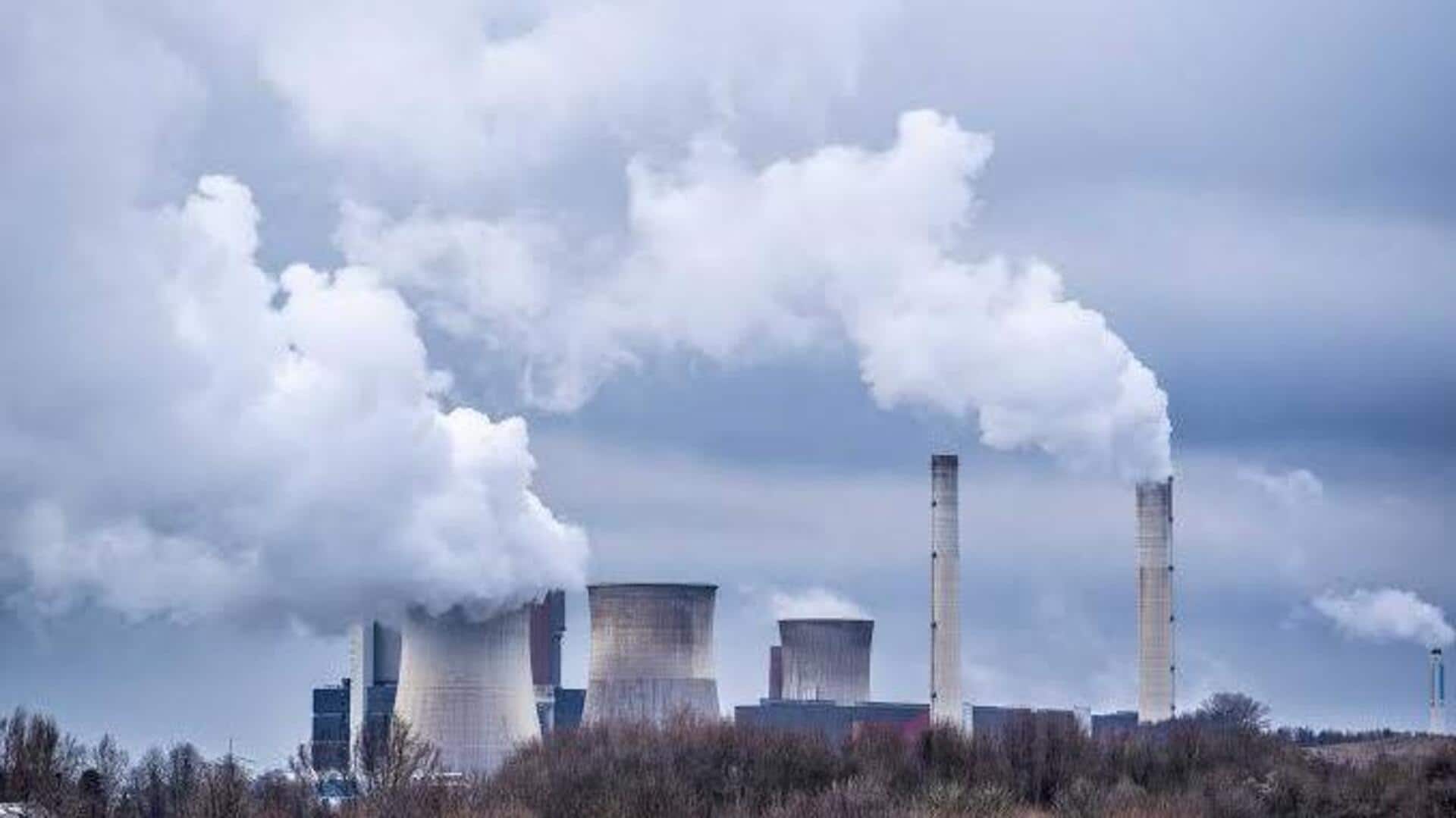
A recent study has found a link between air pollution and an increased risk of suicide and suicidal thoughts. The research, conducted by scientists at Queen's University Belfast, examined the effects of air, noise, light, and water pollution on suicide risk. Their meta-analysis of 29 studies revealed that exposure to small airborne particulate matter and nitrogen dioxide is associated with a higher risk of death by suicide, suicide attempts, and suicidal ideation.
Additional findings
Other pollutants also linked to suicide risk
A narrative analysis of 16 additional studies suggested that other air pollutants like sulfur dioxide and ozone, as well as noise pollution, are also linked to an increased risk of suicide.
However, the evidence for light and water pollution was inconclusive.
The authors emphasized that these findings highlight the need to consider environmental pollution in suicide prevention strategies.
Policy implications
Integrating environmental health into mental health policy
The study, published in the Journal of Epidemiology and Community Health, called for integrating environmental health into mental health policy.
The authors suggested that this could be done through cross-sectoral collaboration, pollution reduction strategies, and targeted public health interventions.
They believe these measures could play a vital role in reducing suicide risk and improving overall population mental well-being.
Expert opinions
Experts urge caution in interpreting findings
Despite the implications of this study, other experts have urged caution.
Dr. Jess Moody, the senior research and evidence manager at Samaritans, said that while suicide is complex, various factors can impact its risk, including living conditions.
Dr. Jon Van Niekerk, the chair of the general adult faculty at the Royal College of Psychiatrists, stressed, "Air pollution is closely associated with other factors which we know can influence mental health, including socioeconomic deprivation, urban living, physical health and housing."