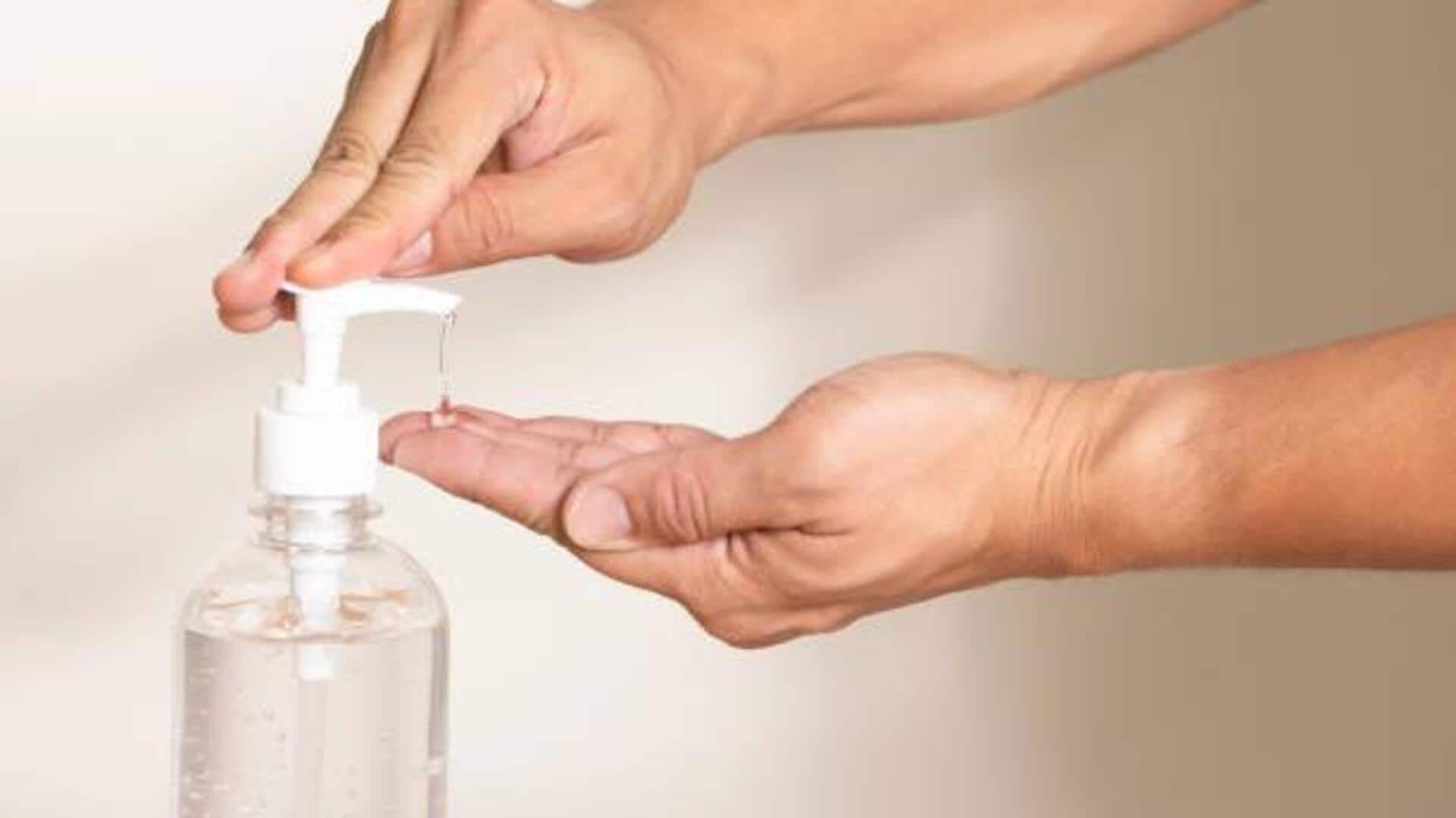
Do antibacterial soaps actually work?
What's the story
Antibacterial soaps are often marketed as a must-have for personal hygiene, promising to kill more germs than regular soaps. However, the effectiveness and necessity of these products have been widely debated. This article explores the truth behind antibacterial soaps, examining their benefits, limitations, and whether they are truly more effective than regular soap. Understanding these factors can help consumers make informed choices about their hygiene practices.
#1
The science behind antibacterial soaps
Antibacterial soaps contain chemical agents like triclosan or triclocarban, which are designed to kill bacteria.
However, studies have shown that these ingredients do not significantly reduce bacterial counts compared to regular soap and water.
The Centers for Disease Control and Prevention (CDC) states that washing hands with plain soap and water is just as effective in preventing illness.
#2
Potential risks of antibacterial ingredients
The use of antibacterial agents has raised concerns about potential health risks.
Overuse may contribute to antibiotic resistance, making it harder to treat bacterial infections in the future.
Additionally, some studies suggest that certain antibacterial compounds could disrupt hormonal systems in humans and animals.
#3
Environmental impact of antibacterial soaps
The environmental impact of antibacterial soaps is also a matter of concern.
The active ingredients can enter water systems through wastewater treatment processes and affect aquatic life.
Triclosan, for example, has been found to accumulate in the environment and potentially harm ecosystems.
#4
Cost v/s benefit analysis
Antibacterial soaps usually cost more than regular ones, but the additional cost may not be worth it considering their limited effectiveness.
For most people, regular handwashing with plain soap provides adequate protection against germs, without the added expense or potential risks associated with antibacterial products.