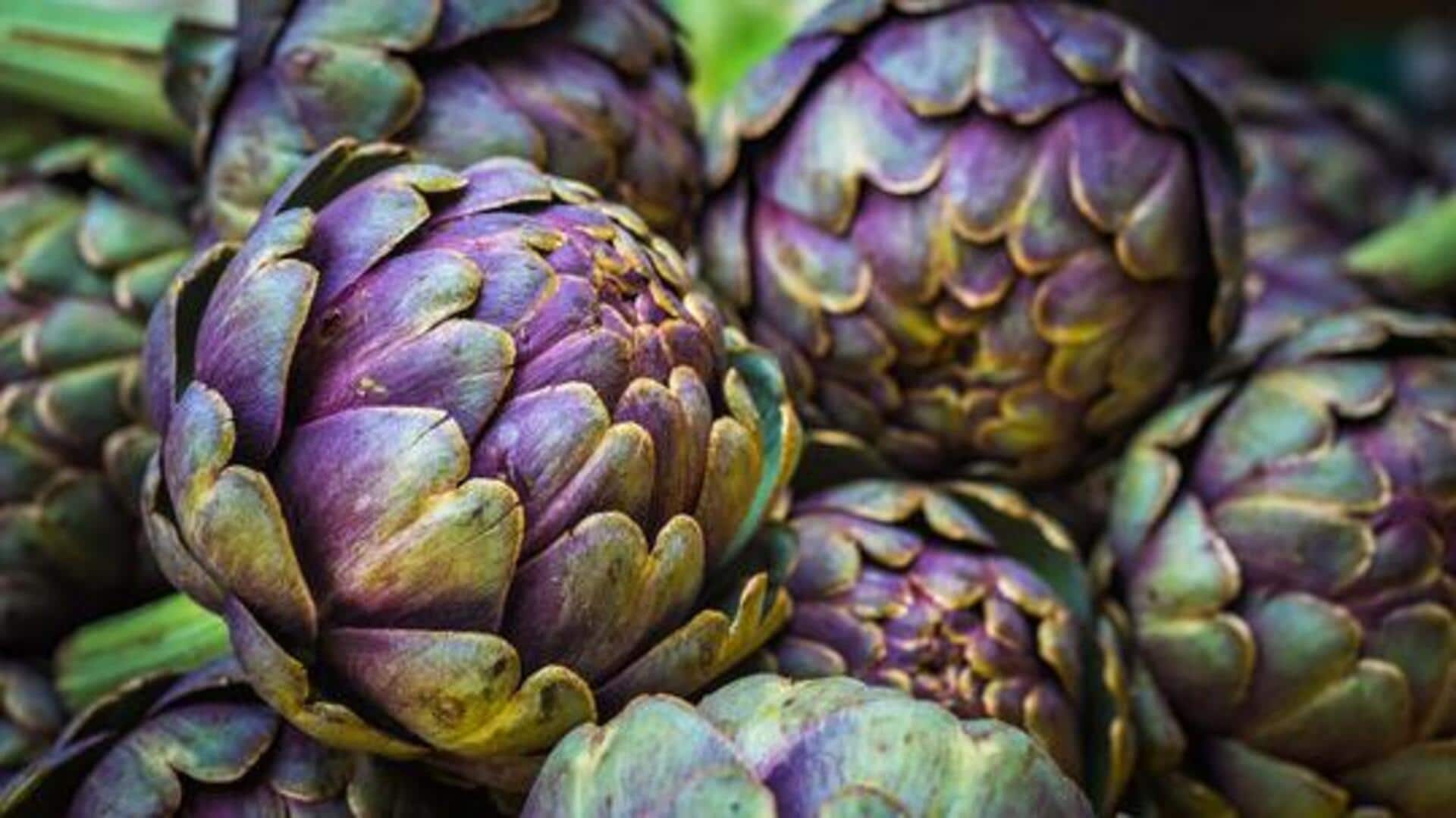
How to use artichoke in cooking
What's the story
The African artichoke, a lesser-known vegetable, is making waves for its health benefits and culinary versatility. Unlike the more popular globe artichoke, this vegetable is native to Africa and is known for its unique taste and nutritional value. With a growing interest in plant-based diets, the African artichoke is becoming a go-to option for those looking for healthy alternatives. Here are five creative ways this vegetable is being used in African cuisine.
Stew Innovation
Traditional stews with a twist
In many African households, stews are a staple dish. The addition of African artichokes to these stews adds a new layer of flavor and texture.
The artichokes are usually sliced and added to vegetable-based stews, where they soak up the spices and seasonings.
This not only enhances the taste but also increases the nutritional content of the dish.
Salad Fusion
Artichoke salads for freshness
African artichokes can also be used fresh in salads, bringing a crisp texture and mild flavor.
They are usually thinly sliced or grated and mixed with other fresh vegetables, like tomatoes and cucumbers.
A simple dressing of lemon juice or olive oil can highlight their natural taste while keeping the dish light and refreshing.
Soup creation
Innovative soups with artichoke base
Soups made with African artichokes are becoming increasingly popular for their hearty, yet healthy nature.
The artichokes are usually boiled until soft and then blended into a creamy base without the use of dairy products.
This makes for a rich, flavorful soup that is both satisfying and nutritious.
Snack option
Roasted artichokes as snacks
Roasting African artichokes brings out their natural sweetness, making them an ideal snack option.
Simply seasoned with salt or herbs, these roasted pieces make for a crunchy treat that can be enjoyed on its own or as part of an appetizer platter.
Preservation method
Pickled artichokes for preservation
Pickling is another way to enjoy African artichokes throughout the year.
The process involves immersing the sliced vegetables in vinegar brine, along with spices like dill or mustard seeds.
This not only preserves them but also adds tangy flavors that complement various dishes when used as garnishes or side accompaniments.