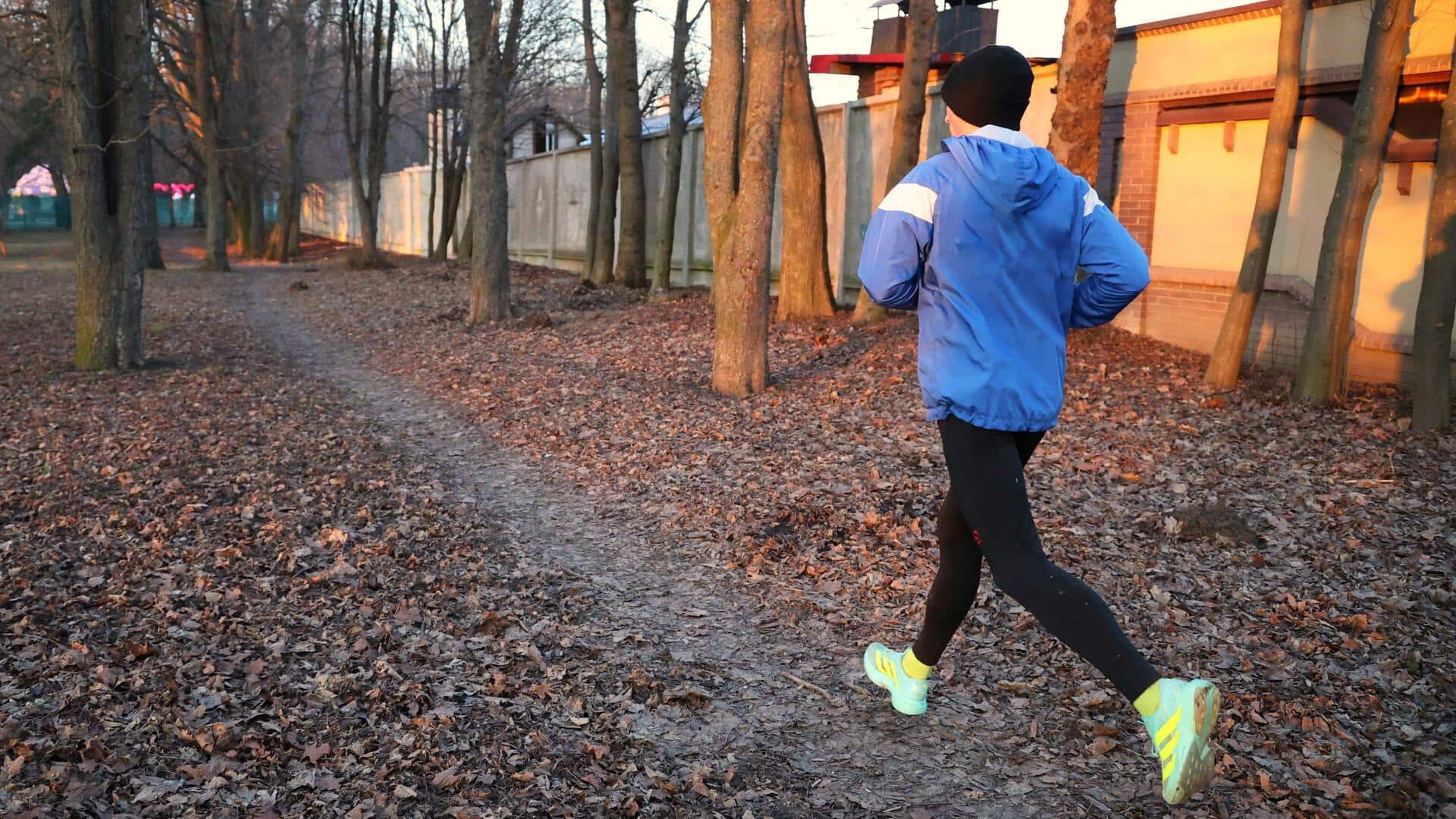
Backward running: The fitness trend with real benefits
What's the story
Backward running, or retro running, is a unique exercise that has been gaining popularity for its numerous benefits. Unlike traditional forward running, backward running engages different muscle groups and offers a variety of health advantages. This unconventional workout can improve balance, enhance cardiovascular health, and even boost mental agility. Let's explore the various benefits of backward running and how it can be incorporated into your fitness routine.
#1
Enhances balance and coordination
Backward running requires more coordination than forward running, as it challenges your body's balance.
By engaging different muscle groups, it improves proprioception (awareness of body position) and coordination skills.
This can be especially beneficial for athletes who want to improve their agility and reduce the risk of falls and injuries.
#2
Boosts cardiovascular health
Just like forward running, backward running is an excellent cardiovascular workout.
It increases your heart rate and improves blood circulation, which is good for heart health.
The intensity of backward running can help you burn more calories in a shorter span of time, making it an effective way to boost your cardiovascular fitness.
#3
Strengthens lower body muscles
Backward running works out your calves, hamstrings, and glutes more than regular running.
The unusual movement pattern activates these muscles differently, promoting muscle growth and endurance.
Over time, this can lead to stronger lower body muscles and improved overall athletic performance.
#4
Improves mental agility
The cognitive demands of backward running are higher than those of forward running, as it requires more focus and concentration.
This mental challenge can improve cognitive function by stimulating brain activity during the workout.
As a result, you may experience enhanced mental clarity and agility in other areas of your life.
#5
Reduces joint impact
Backward running is easier on joints than forward running, as it reduces the impact on knees and ankles.
The backward motion distributes weight differently across joints, minimizing stress during exercise.
This makes it a great option for people looking for low-impact workouts without compromising on intensity or effectiveness.