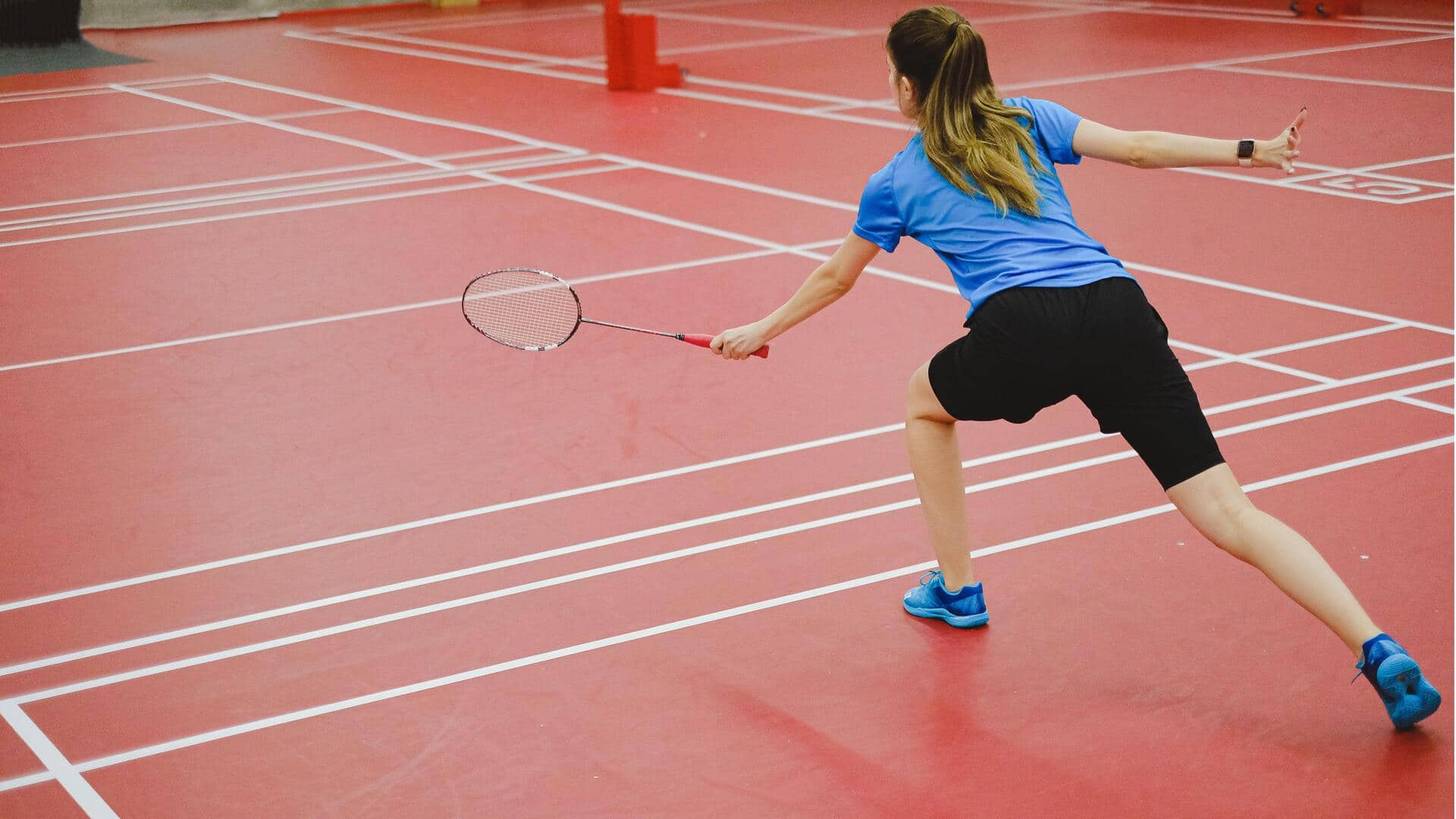
Badminton or swimming? Which one helps you relax?
What's the story
Badminton and swimming are two popular sports that offer unique benefits for mental health. While both activities promote physical fitness, they also contribute significantly to mental well-being. Engaging in these sports can help reduce stress, improve mood, and enhance cognitive function. This article explores the mental health benefits of badminton and swimming, highlighting how each sport positively impacts the mind.
Physical engagement
Boosting mood through activity
Both badminton and swimming involve a high level of physical engagement, which is known to boost mood.
The aerobic nature of these sports increases the production of endorphins, chemicals in the brain that act as natural painkillers and mood elevators.
Playing badminton or swimming regularly can lead to a noticeable improvement in overall mood and a reduction in feelings of depression or anxiety.
Mental stimulation
Enhancing cognitive function
Playing badminton requires quick thinking, fast reflexes, and strategic planning, which can enhance cognitive function over time.
The mental stimulation involved in anticipating an opponent's move or deciding on the next shot keeps the brain active and engaged.
Swimming, on the other hand, promotes mindfulness through its rhythmic nature, helping to clear the mind and improve focus.
Stress relief
Reducing stress levels
Both badminton and swimming serve as excellent stress relievers.
The repetitive motions of swimming can be meditative, allowing swimmers to unwind from daily pressures.
Badminton's fast-paced nature provides an outlet for releasing pent-up energy or frustration, while also offering social interaction if played in groups or pairs.
Restful sleep
Promoting better sleep quality
Engaging in badminton or swimming regularly can lead to improved sleep quality.
These activities help regulate sleep patterns by reducing stress hormones, like cortisol.
A good night's sleep is vital for mental health, as it aids in cognitive processes such as memory consolidation and problem-solving skills enhancement.