
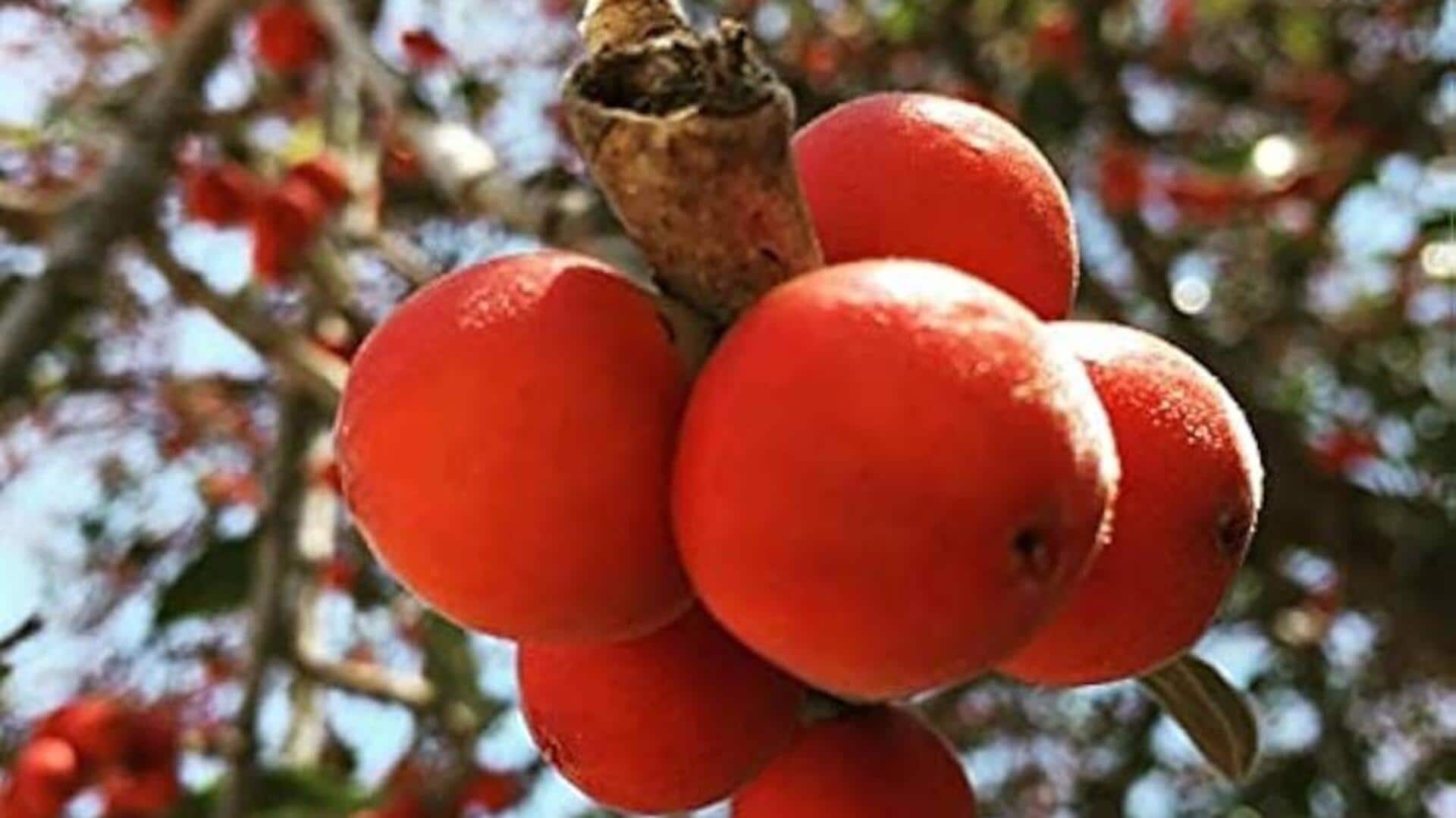
Unexpected health benefits of banyan tree fruit
What's the story
The banyan tree, a symbol of strength and longevity, offers a unique fruit that is often overlooked. While not commonly consumed, the banyan tree fruit has several health benefits that can contribute to your well-being. This article explores five surprising health benefits of this intriguing fruit, shedding light on its potential impact on your diet and health.
#1
Rich in antioxidants
Banyan tree fruit is loaded with antioxidants, which are essential for fighting oxidative stress in the body. These antioxidants can help neutralize free radicals, reducing the risk of chronic diseases. Eating foods rich in antioxidants can also help improve skin health by minimizing the signs of aging and enhancing skin elasticity.
#2
Supports digestive health
The banyan tree fruit is also a good source of dietary fiber, which is essential for good digestion. Fiber promotes regular bowel movements and prevents constipation by adding bulk to the stool. In addition, it helps maintain a healthy gut microbiome by acting as food for the beneficial bacteria present in the intestines.
#3
Boosts immune system
Eating banyan tree fruit may also help boost your immune system, thanks to its high vitamin C content. Vitamin C is known for its role in supporting immune function by stimulating the production of white blood cells. A strong immune system is essential for fighting off infections and keeping you healthy.
#4
Enhances bone health
Banyan tree fruit contains essential minerals such as calcium and magnesium, important for maintaining strong bones. Calcium is essential for bone density, while magnesium helps with calcium absorption and bone formation processes. Including these minerals in your diet can help prevent osteoporosis and other bone-related issues.
#5
Promotes heart health
The banyan tree fruit is rich in potassium, which is essential for heart health. Potassium helps regulate blood pressure by balancing sodium levels in the body. This balance is essential for preventing hypertension and reducing the risk of cardiovascular diseases, such as heart attacks or strokes.