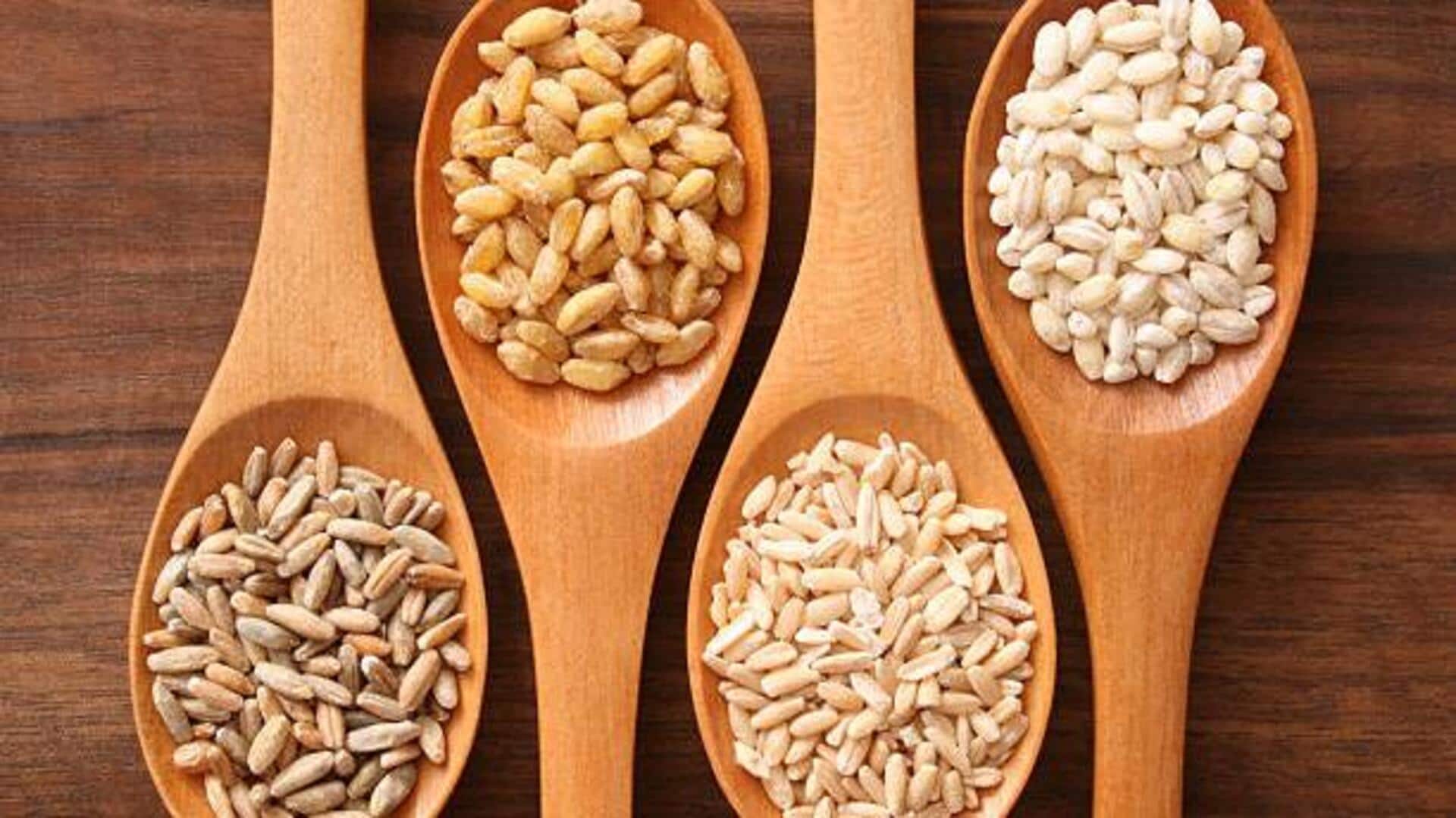
Barley v/s oats: Which is healthier?
What's the story
Barley and oats are two popular whole grains that have been consumed for centuries. Both grains are known for their health benefits and nutritional value. While they may look similar, they have different nutritional profiles that can benefit different dietary needs. In this article, we will look at the nutritional differences between barley and oats, including their fiber content, vitamins, minerals, and potential health benefits.
#1
Fiber content comparison
Barley is known for its high beta-glucan fiber content, which is good for heart health, as it lowers cholesterol levels.
Oats also have beta-glucan but in lower amounts than barley.
However, both grains provide soluble fiber that promotes digestion and keeps blood sugar levels stable.
Adding either grain to your diet can improve digestive health by promoting regular bowel movements.
#2
Vitamin content analysis
Oats are a rich source of B vitamins, like thiamine and riboflavin, which are essential for energy production in the body.
They also provide vitamin E, an antioxidant that protects cells from damage.
Barley has a good amount of niacin (vitamin B3) and vitamin B6, but lacks vitamin E.
Both grains can contribute to your daily vitamin intake, but offer different benefits based on their unique profiles.
#3
Mineral richness exploration
When it comes to minerals, oats provide a good amount of iron and magnesium, which are important for bone health and energy production.
Barley is richer in selenium and phosphorus, which help in immune function and bone health, respectively.
Including either grain in your diet can help you meet your mineral needs while enjoying the health benefits of whole grains.
Tip 1
Potential health benefits
Eating barley may help with weight management owing to its high fiber content, which promotes fullness after meals.
Oats have been linked to improved heart health due to their cholesterol-lowering properties when eaten regularly as part of a balanced diet.
Both grains can be a part of healthy eating habits that promote overall well-being when combined with other nutritious foods.