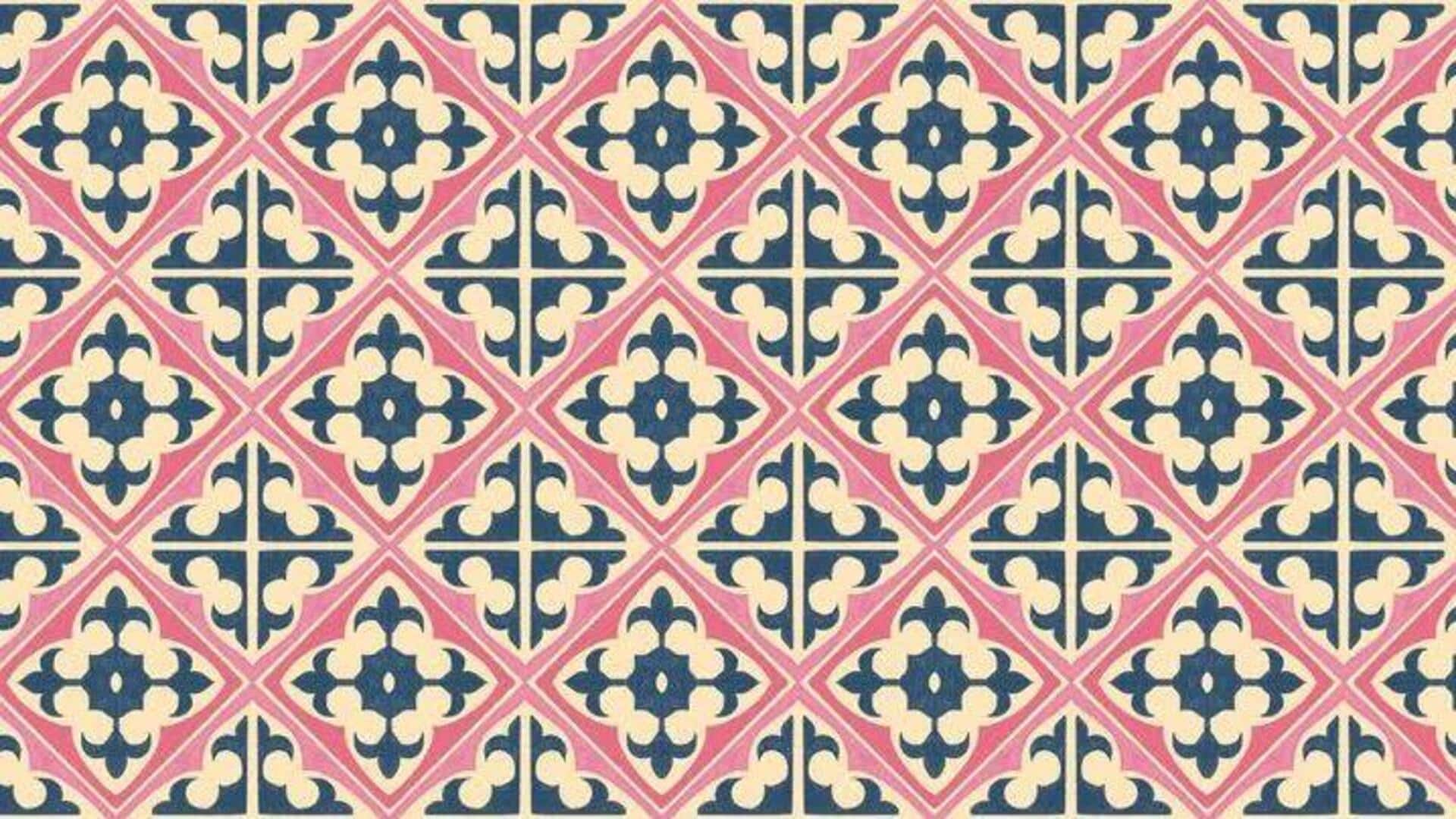
How to create batik tiles at home
What's the story
Batik fabric tiles provide an innovative and affordable way to create stunning mosaic art. This traditional textile technique, which involves applying wax to fabric and dyeing it, results in beautiful patterns and colors. Using batik tiles for mosaics allows artists to explore new textures and designs without breaking the bank. Here's how you can use batik fabric tiles for your next mosaic project.
Fabric selection
Choosing the right batik fabrics
Selecting the right batik fabrics is essential for any mosaic project. Look for fabrics with vibrant colors and intricate patterns that complement each other. Consider the size of the tiles you need; smaller pieces can create detailed designs, while larger ones make bold statements. Mixing different patterns can add depth and interest to your artwork.
Tile preparation
Preparing batik tiles for mosaics
Before you start laying out your mosaic, you need to prepare your batik tiles. Cut them into uniform shapes, like squares or triangles, depending on your design plan. Make sure each piece is clean and free of any frayed edges that could ruin the final look of your artwork. This step is crucial for ensuring a smooth application process.
Design layout
Arranging batik tiles creatively
Arranging batik tiles is where creativity comes into play. Start by sketching a rough layout on paper or using digital tools to visualize your design. Experiment with different arrangements before committing by temporarily placing tiles without adhesive. This allows you to see how various combinations work together visually.
Tile adhesion
Adhering batik tiles securely
Once satisfied with the arrangement, it is time to secure the batik tiles onto your chosen surface using appropriate adhesive materials like glue or mortar specifically designed for tile work. Ensure each piece adheres firmly by applying even pressure during placement, preventing any shifting as it dries.