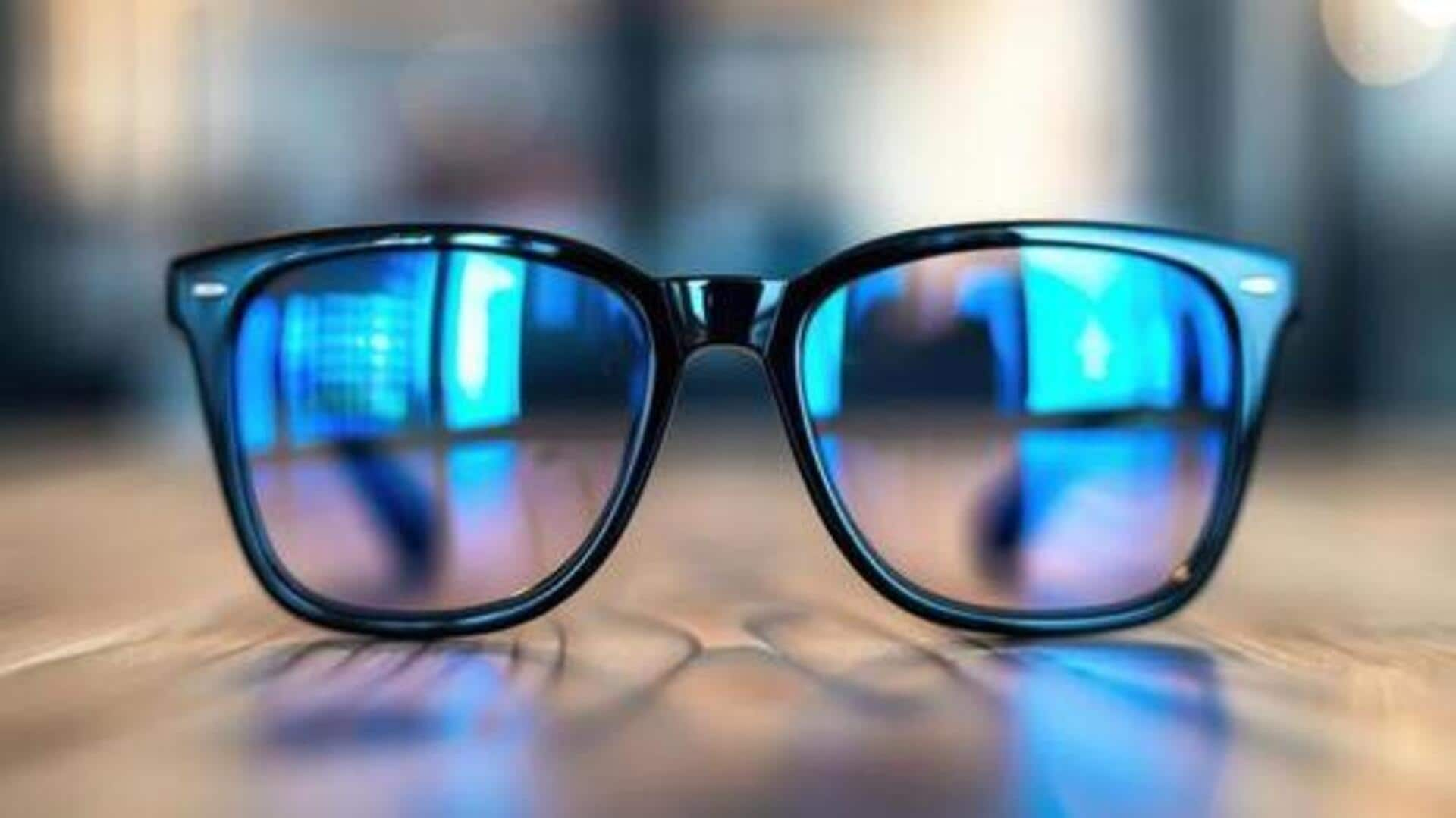
Do blue light glasses reduce eye strain?
What's the story
Blue light glasses are all the rage, with many claiming they help reduce eye strain and improve sleep. But are these claims backed by science? This article delves into the myths and truths of blue light glasses, examining the evidence behind their effectiveness. By understanding how blue light affects our eyes, we can make informed decisions about using these glasses for eye health.
#1
Understanding blue light's impact
Blue light is a high-energy visible light emitted from digital screens. It has been said to disrupt sleep by suppressing melatonin production.
However, the amount of blue light from screens is much less than natural sunlight.
While prolonged screen time can cause digital eye strain, the role of blue light in this is still debatable.
#2
Eye strain and digital screens
Digital eye strain, or computer vision syndrome, is a common complaint among those who spend long hours on screens.
Symptoms include dry eyes, blurred vision, and headaches.
Although blue light contributes to screen fatigue, factors such as screen brightness, glare, and poor posture are more significant contributors.
Regular breaks and proper ergonomics may be more effective than blue light glasses alone.
#3
Sleep disruption myths
The myth that blue light glasses significantly improve sleep quality stems from their ability to block some blue wavelengths.
While they may help some people by reducing screen time before bed, studies show mixed results on their effectiveness in improving sleep patterns long term.
Tip 1
Alternatives to blue light glasses
Instead of relying solely on blue light glasses, consider other strategies for managing eye strain and improving sleep.
Adjusting screen brightness, using anti-glare filters, and implementing the 20-20-20 rule (taking a 20-second break every 20 minutes to look at something 20 feet away) can be helpful.
For better sleep hygiene, establish a regular bedtime routine, and limit screen exposure before sleeping hours.